

Overview
This article serves as a comprehensive guide to improving swimming endurance, essential for both competitive and recreational swimmers. Readers will learn effective techniques, training programs, and nutritional strategies to enhance their stamina in the water, enabling them to swim longer and more efficiently. With a focus on technique, goal-setting, and recovery, this guide aims to help swimmers maximize their potential and enjoy the sport even more.
Table of Contents
- Understanding Swimming Endurance
- The Importance of Technique
- Set Realistic Goals
- Consistent Training Program
- Distance Swims
- Interval Training
- Cross-Training Benefits
- Listen to Your Body
- Recovery Techniques
- Nutritional Strategies for Swimmers
- 1. Carbohydrates Are Key
- 2. Protein for Recovery
- 3. Hydration Matters
- Stay Motivated and Have Fun
- Ride the Wave of Endurance
Key Takeaways
- Understand swimming endurance: It's your ability to maintain a steady pace for extended periods, crucial for performance improvement.
- Focus on technique: Proper body position, bilateral breathing, and a powerful kick are essential for efficient swimming.
- Set achievable goals: Establish specific, measurable, and time-bound goals based on your current fitness level to avoid burnout.
- Implement a structured training program: Include distance swims, interval training, and recovery days to enhance endurance effectively.
- Incorporate cross-training: Engage in activities like running or strength training to boost overall stamina and swimming performance.
- Prioritize recovery: Use techniques such as foam rolling, stretching, and proper hydration to support muscle recovery and endurance building.
- Maintain a balanced diet: Focus on carbohydrates for energy, protein for recovery, and stay hydrated to optimize performance.
Swimming is not only an excellent full-body workout but also a sport that requires both skill and stamina. Whether you're a competitive swimmer or someone who enjoys a leisurely dip in the pool, building endurance is essential for maximizing your swimming potential. In this comprehensive guide, we’ll explore effective tips for improving your swimming endurance, helping you glide through the water with ease. There’s no need to hold your breath—let's dive right in!
Understanding Swimming Endurance
Swimming endurance refers to your ability to maintain a steady pace over an extended period. It's a critical element for swimmers aiming to improve their performance, whether they're training for races or trying to increase their fitness levels. Enhancing your endurance can lead to better technique, increased speed, and a more enjoyable swimming experience.
The Importance of Technique
Before delving into specific endurance-building tips, it's crucial to establish solid swimming technique. Proper form can significantly affect how efficiently you swim, which is vital for building endurance. A few things to focus on include:
- Body Position: Keep your body horizontal and streamlined to reduce drag.
- Breathing: Practice bilateral breathing to improve your timing and balance.
- Kick: Use a consistent, powerful kick to propel yourself forward while conserving energy.
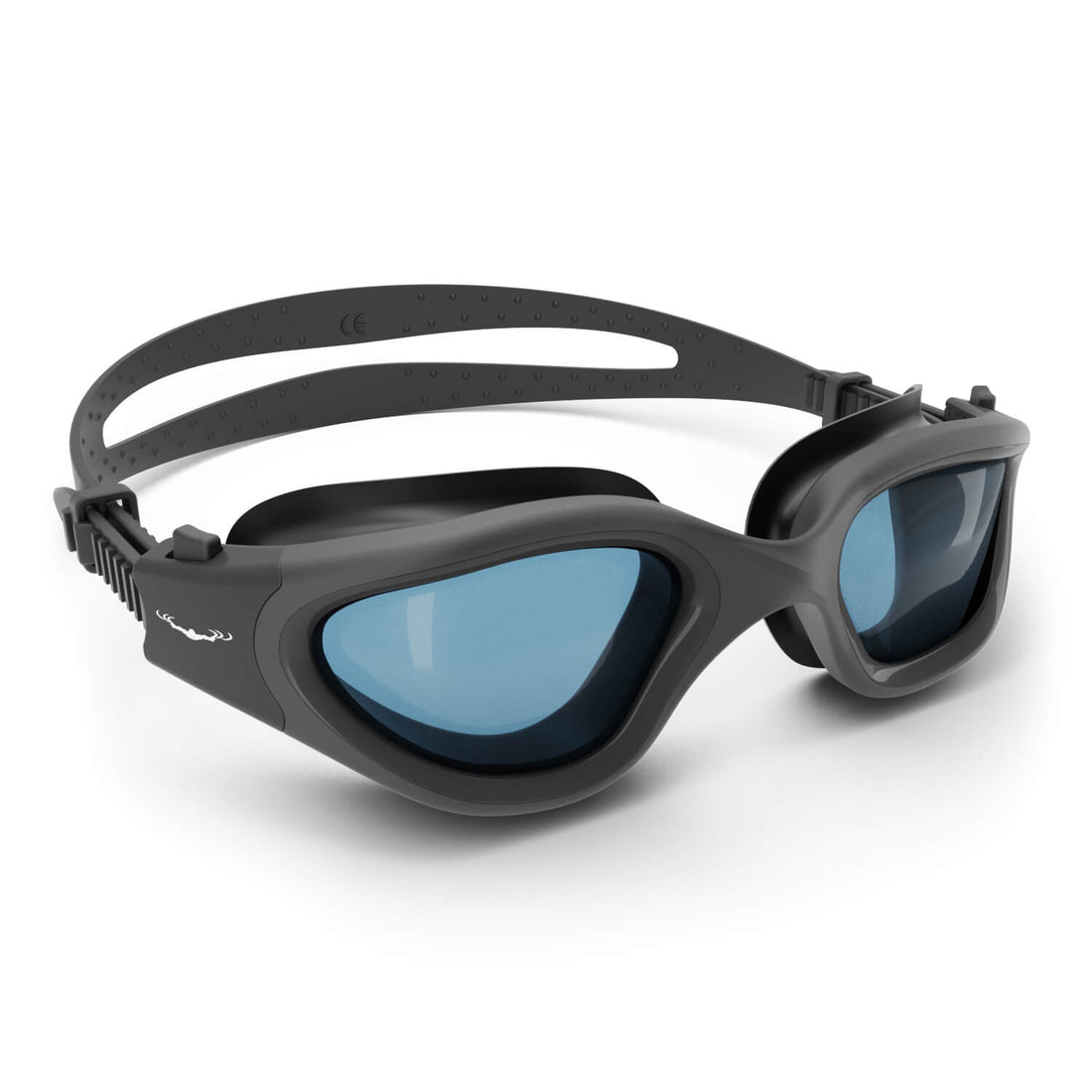
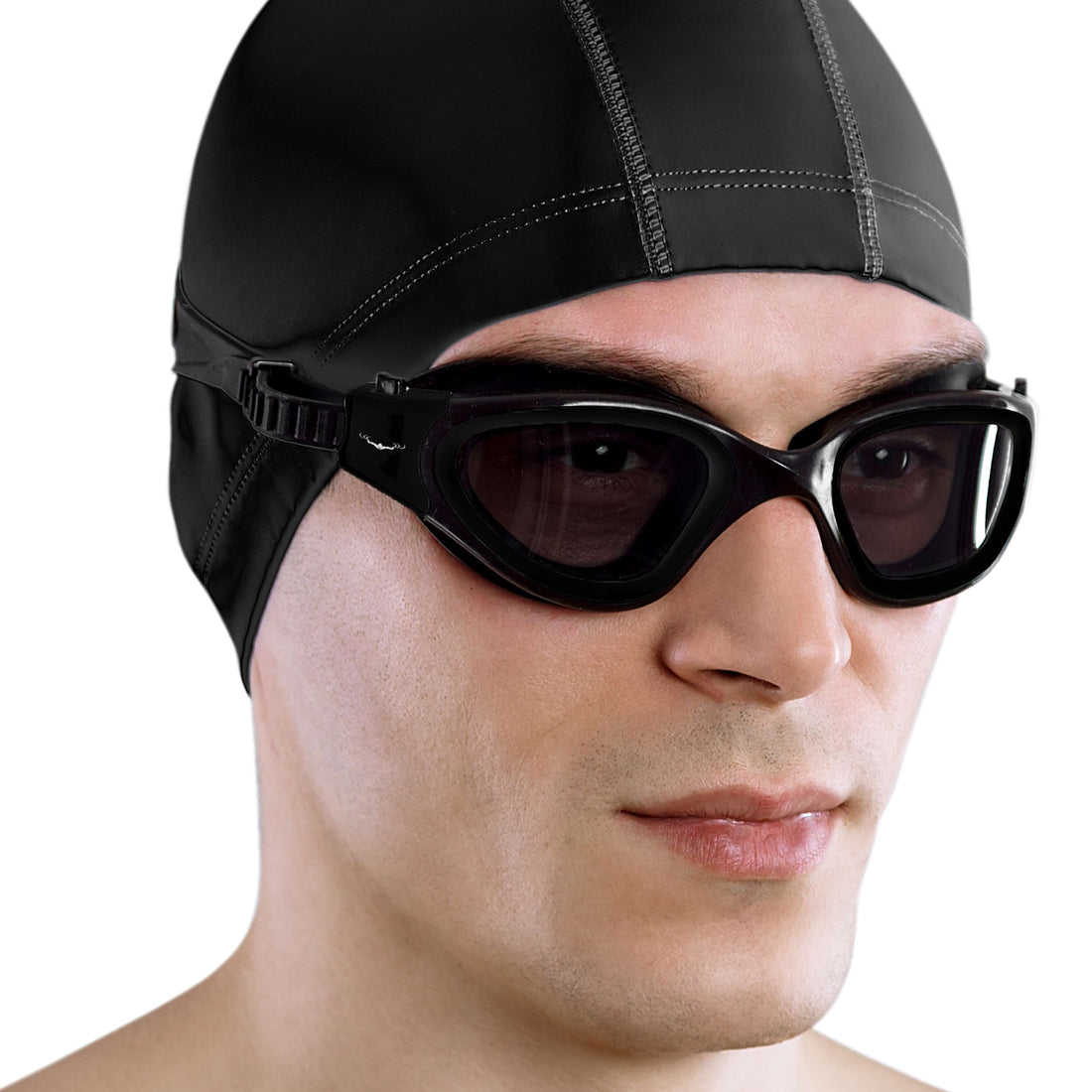
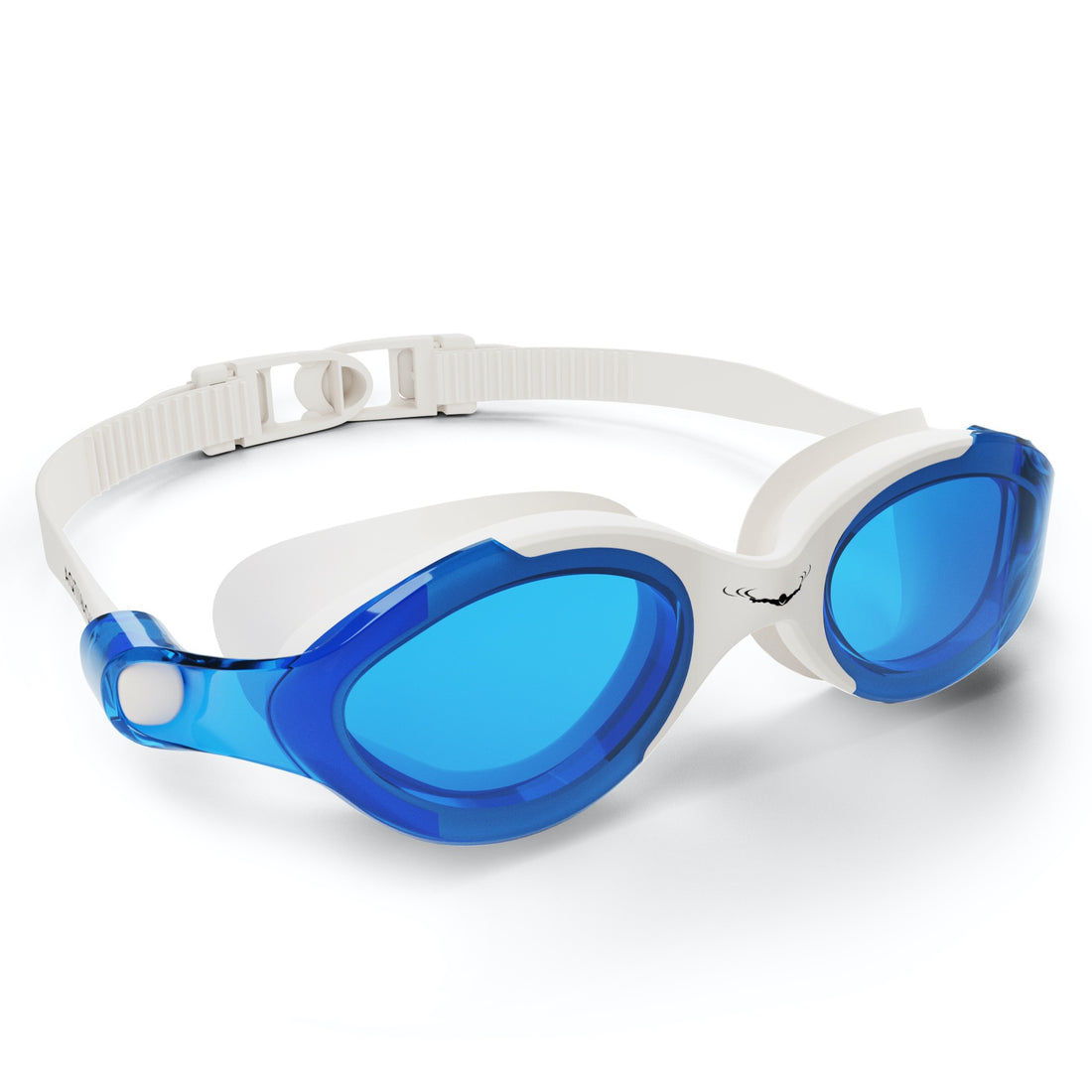
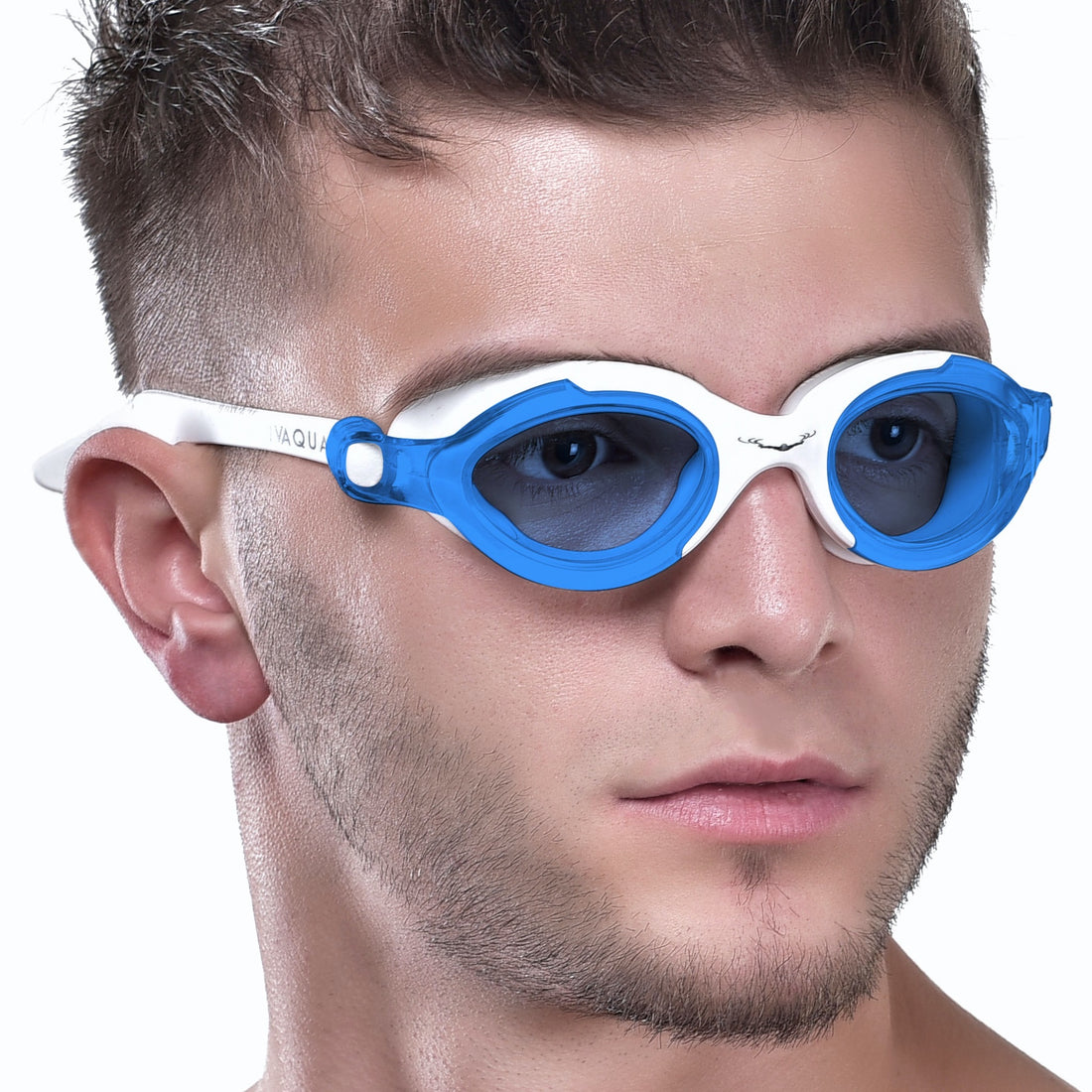
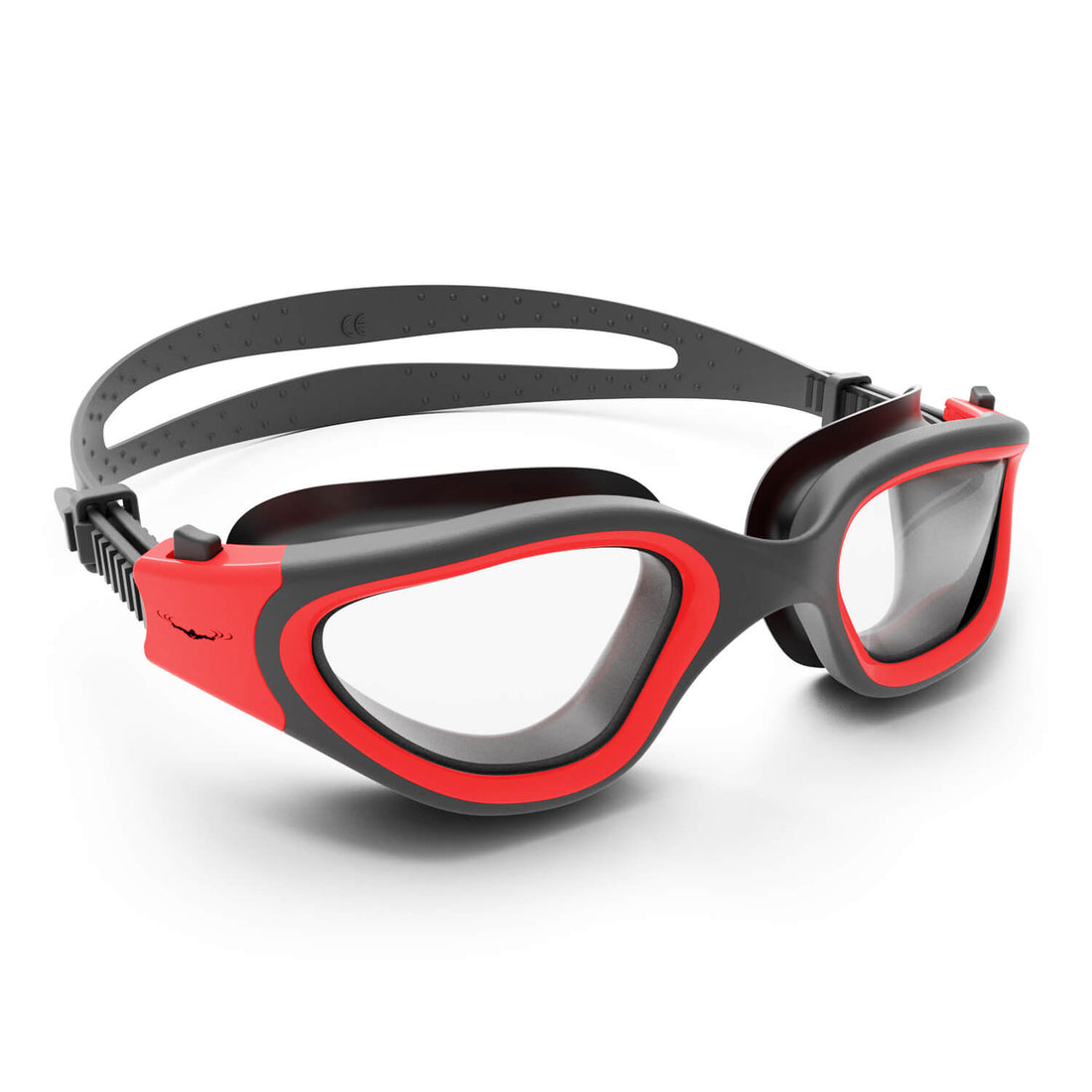
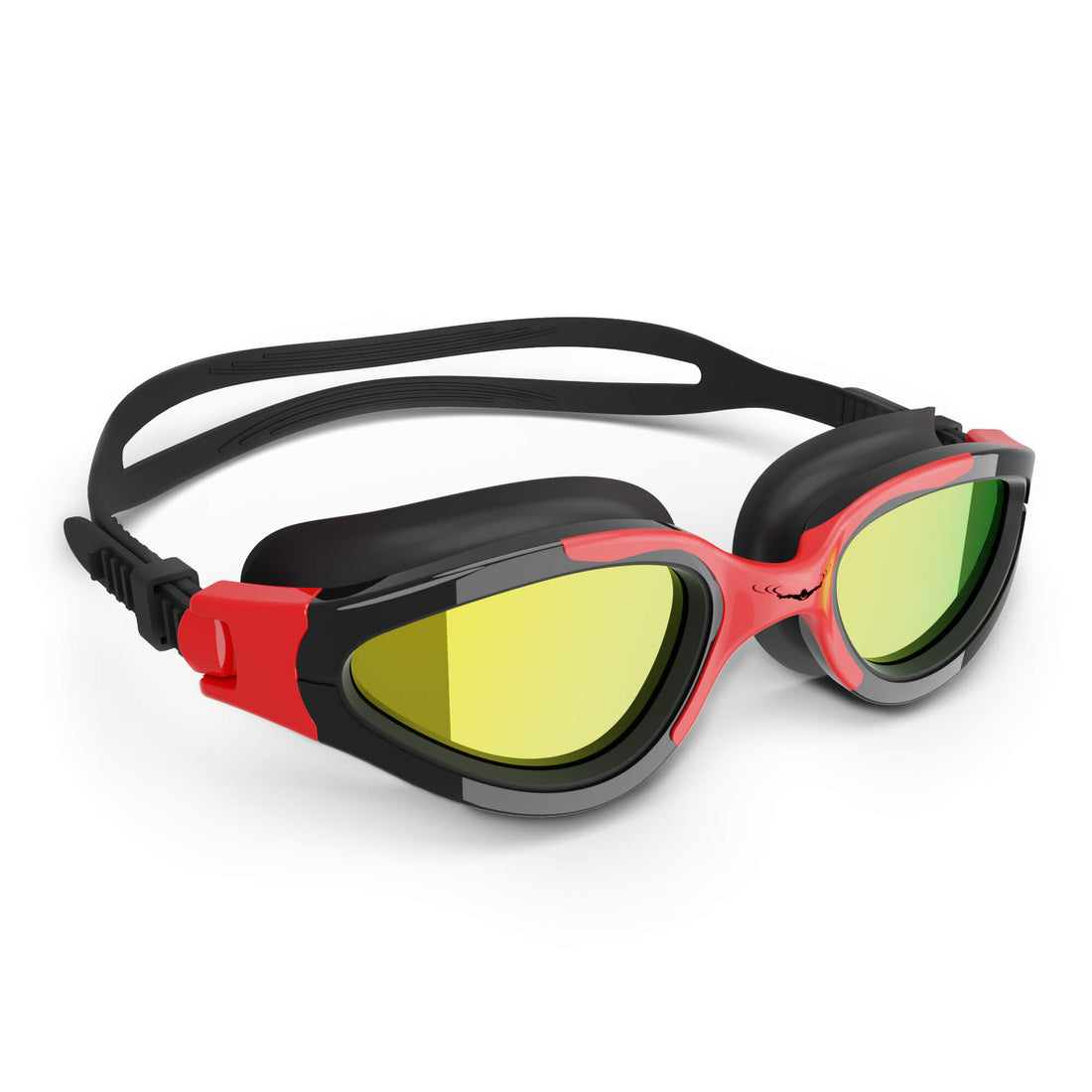
Consider investing in wide view swim goggles. They not only provide clarity but also help you maintain proper head positioning, enhancing your overall technique.
Set Realistic Goals
Another vital component to improving your swimming endurance is setting realistic and achievable goals. These goals should be specific, measurable, and time-bound. Start by determining your current fitness level and consider factors such as:
- How long you can swim without stopping
- Your frequency of swimming sessions per week
- Your planned training duration
Once you assess your starting point, you can create a plan that gradually increases your distance and frequency, helping you build endurance without burning out.
Consistent Training Program
A structured training program is essential for building swimming endurance. Your program should include a mix of endurance swims, interval training, and recovery days. Implement the following training elements into your regimen:
Distance Swims
Daily swims that focus on long distances at a steady pace will help you build endurance over time. Gradually increase your overall distance each week. A great starting point could be:
- Week 1: Swim 500 meters in one session.
- Week 2: Increase to 600 meters while maintaining the same pace.
- Week 3: Aim for 750 meters, and so on.
Interval Training
Incorporating interval training into your swimming routine can significantly enhance your endurance. This method alternates periods of high-intensity swimming with recovery sets. For example:
- Swim 100 meters at a fast pace, then rest for 30 seconds.
- Repeat this sequence for a set number of intervals.
Interval training not only improves aerobic capacity but also allows you to swim faster over longer distances.
Cross-Training Benefits
Many swimmers incorporate other forms of exercise, such as running, cycling, or strength training, into their routines. Cross-training can significantly enhance your overall stamina. Strength workouts tailored for swimmers can work on core stability, shoulder strength, and leg power, contributing to more powerful swims.
Listen to Your Body
Your body will give you signals that can guide your training regimen. It's important to listen to those signals. Pay attention to fatigue levels, soreness, and any potential signs of injury. Adjust your training intensity and duration accordingly. Consistent resting and recovery days will prevent burnout and help you build endurance more effectively.
Recovery Techniques
Integrating effective recovery strategies into your routine is just as vital as the workouts themselves. Techniques like:
- Low-intensity swim sessions focus on technique.
- Foam rolling to release muscle tension.
- Stretching to maintain flexibility.
- Hydration to replenish lost fluids.
Moreover, consider using swim ear bands to keep water out of your ears during your shorter, low-intensity recovery swims. Proper recovery allows your body to adapt and improve your endurance levels efficiently.
Nutritional Strategies for Swimmers
Your diet plays a significant role in your performance and recovery. A balanced diet rich in macronutrients will fuel your endurance training. Here are some key dietary considerations:
1. Carbohydrates Are Key
As a swimmer, carbohydrates are your primary energy source. A diet rich in whole grains, fruits, vegetables, and legumes will provide the energy needed for long swims and training. Try to include complex carbs in your meals to sustain energy levels throughout your training.
2. Protein for Recovery
After a rigorous swim, your muscles need protein to recover and rebuild. Incorporate lean proteins like chicken, fish, tofu, and legumes into your post-training meals to ensure your body receives what it needs to recover effectively.
3. Hydration Matters
Staying properly hydrated is crucial for peak performance especially during longer swims. Aim to drink water before, during, and after your swimming sessions. Electrolyte drinks can also be beneficial, especially in hot weather or extended workouts.
Stay Motivated and Have Fun
Lastly, maintaining motivation is vital for long-term endurance improvements. Set regular check-ins on your goals and reward yourself when you've met them, whether it be with a new pair of wide view swim goggles or simply taking a day off to enjoy leisure swimming. Mix up your training routines, swim with friends, and engage in swimming events to keep things exciting!
If swimming feels like a chore, your endurance and performance will stall. Find joy in the water by exploring different swimming styles, joining clubs, or taking part in community events. Celebrating small victories and enjoying the sport will help you stay committed and engaged.
Ride the Wave of Endurance
In the end, improving your swimming endurance is a gradual process that requires patience and consistency. By establishing solid techniques, adhering to a structured training program, and focusing on recovery, nutrition, and motivation, you’ll set yourself up for success in the water. So, dive in, enjoy the journey, and watch your endurance improve—one stroke at a time!
Frequently Asked Questions
1. What is swimming endurance?
2. How can I improve my swimming technique to enhance endurance?
3. What type of training program should I follow to build swimming endurance?
4. What nutritional strategies should I consider as a swimmer?
5. How can I stay motivated to improve my swimming endurance?
Glossary
| Term | Meaning |
|---|---|
| Swimming Endurance | Your ability to swim continuously at a steady pace. |
| Technique | Proper form and method used while swimming. |
| Body Position | Keeping your body streamlined to reduce drag in the water. |
| Interval Training | Alternating between high-intensity swimming and rest. |
| Cross-Training | Incorporating other exercises to improve overall stamina. |
| Recovery Techniques | Methods to help your body recover after workouts. |
| Nutritional Strategies | Dietary practices to support performance and recovery. |
| Hydration | Maintaining fluid balance for optimal performance. |
| Goals | Specific targets set to measure progress in training. |
| Motivation | Maintaining enthusiasm and commitment to training. |
Linked Product

DX Wide View Swim Goggles + SHOCK Protective Case
The DX Wide View Swim Goggles feature clear 180° polycarbonate lenses that provide true-color visibility, ideal for indoor pools and low-light conditions. With advanced anti-fog technology and soft double-seals, these goggles ensure comfort and clarity during your swim. The included SHOCK protective case offers convenient storage and durability, making them a practical choice for regular swimmers.
View Product