

Overview
Swimming is a comprehensive workout that engages multiple muscles and enhances cardiovascular health. This blog discusses various swimming strokes (freestyle, backstroke, breaststroke, butterfly), their techniques, benefits, and tips for improvement. It emphasizes the importance of using the right gear, like swim goggles and ear bands, to enhance your swimming experience. Consistent practice, coaching, drills, and self-analysis are key to improving your technique. Embrace swimming for fitness, fun, or competition to boost your skills and confidence in the water.
Table of Contents
- The Importance of Different Swimming Strokes
- 1. Freestyle Stroke (Front Crawl)
- 2. Backstroke
- 3. Breaststroke
- 4. Butterfly Stroke
- Choosing the Right Gear for Each Stroke
- Swim Goggles
- Swim Ear Bands
- How to Improve Your Swimming Technique
- 1. Consistent Practice
- 2. Work with a Coach or Attend Classes
- 3. Use Drills and Equipment
- 4. Record and Analyze Your Technique
- Embrace the Water, Embrace Yourself!
Key Takeaways
- Swimming is a full-body workout that engages multiple muscle groups and provides excellent cardiovascular exercise.
- Mastering different swimming strokes enhances versatility and allows swimmers to adapt to various conditions and purposes.
- Freestyle stroke is the fastest and ideal for racing, improving cardiovascular fitness and upper body strength.
- Backstroke is performed on the back, promoting relaxation and strengthening the back and shoulders.
- Breaststroke is beginner-friendly and focuses on muscle strength in the chest and thighs while promoting good breathing control.
- Butterfly stroke is the most demanding, building upper body strength and core stability.
- Using proper swimming gear like swim goggles and ear bands enhances performance and comfort in the water.
Swimming is an incredible full-body workout that engages various muscle groups and provides an excellent cardiovascular exercise. Whether you're a beginner wanting to learn how to swim or an experienced swimmer looking to refine your technique, understanding the different types of swimming strokes is essential. In this blog post, we will dive deep into the world of swimming strokes, exploring their techniques, benefits, and tips for improvement. Plus, we’ll highlight essential swimming gear like swim goggles and swim ear bands to enhance your swimming experience!
The Importance of Different Swimming Strokes
Each swimming stroke has its own unique set of techniques and benefits. Mastering various strokes not only makes you a more versatile swimmer but also allows you to choose the right stroke for different swimming conditions or purposes. Additionally, practicing different strokes can help improve overall technique, stamina, and strength.
1. Freestyle Stroke (Front Crawl)
The freestyle stroke, also known as the front crawl, is the fastest swimming stroke and is widely used in racing. It involves alternating arm movements and a flutter kick while lying face down in the water.
Technique: To execute the freestyle stroke effectively, follow these steps:
- Begin in a horizontal position in the water.
- Extend one arm forward while the other arm is pulling down and back.
- Keep your head in a neutral position with eyes in the water, breathing by turning your head to the side.
- Use a flutter kick to propel yourself forward.
Benefits: Freestyle is an efficient way to cover distance quickly, making it ideal for swim races. It improves cardiovascular fitness and builds strength in the shoulders, back, and arms.
2. Backstroke
The backstroke is the only swimming stroke that is performed on your back. It allows for a relaxed position while swimming and is beneficial for improving back and shoulder strength.
Technique: Here’s how to swim backstroke properly:
- Lie on your back with your body straight and hips up.
- Alternate arm movements similar to freestyle while keeping your head back and face up.
- Use a flutter kick to maintain speed and rhythm.
Benefits: This stroke enhances flexibility and strengthens core muscles while providing a gentle way to build endurance without straining the neck or spine.
3. Breaststroke
The breaststroke is a slower, more rhythmic stroke that involves both arms moving in a circular motion while the legs perform a frog kick. It is often recommended for beginners due to its straightforward technique.
Technique: Here’s how to perfect the breaststroke:
- Start in a lying position in the water with arms extended in front.
- Pull your arms back toward your chest while simultaneously performing a frog kick with your legs.
- Take a breath when your arms return to the front position, then glide before repeating.
Benefits: Breaststroke increases muscle strength, especially in the chest and thighs, and promotes good breathing control while swimming.
4. Butterfly Stroke
The butterfly stroke is the most physically demanding swim stroke, requiring strength and technique. It involves a simultaneous arm movement and a dolphin kick.
Technique: To swim butterfly effectively:
- Start in a horizontal position with arms extended in front.
- Pull both arms downwards while simultaneously performing a dolphin kick.
- Breathe by lifting your head forward as your arms exit the water and re-enter at the front.
Benefits: Butterfly builds upper body strength and power, as well as core stability, making it one of the most effective strokes for overall conditioning.
Choosing the Right Gear for Each Stroke
Using the right swimming gear significantly impacts your performance in the water. Whether you're practicing the freestyle stroke or attempting the butterfly, having appropriate equipment helps enhance your experience.
Swim Goggles
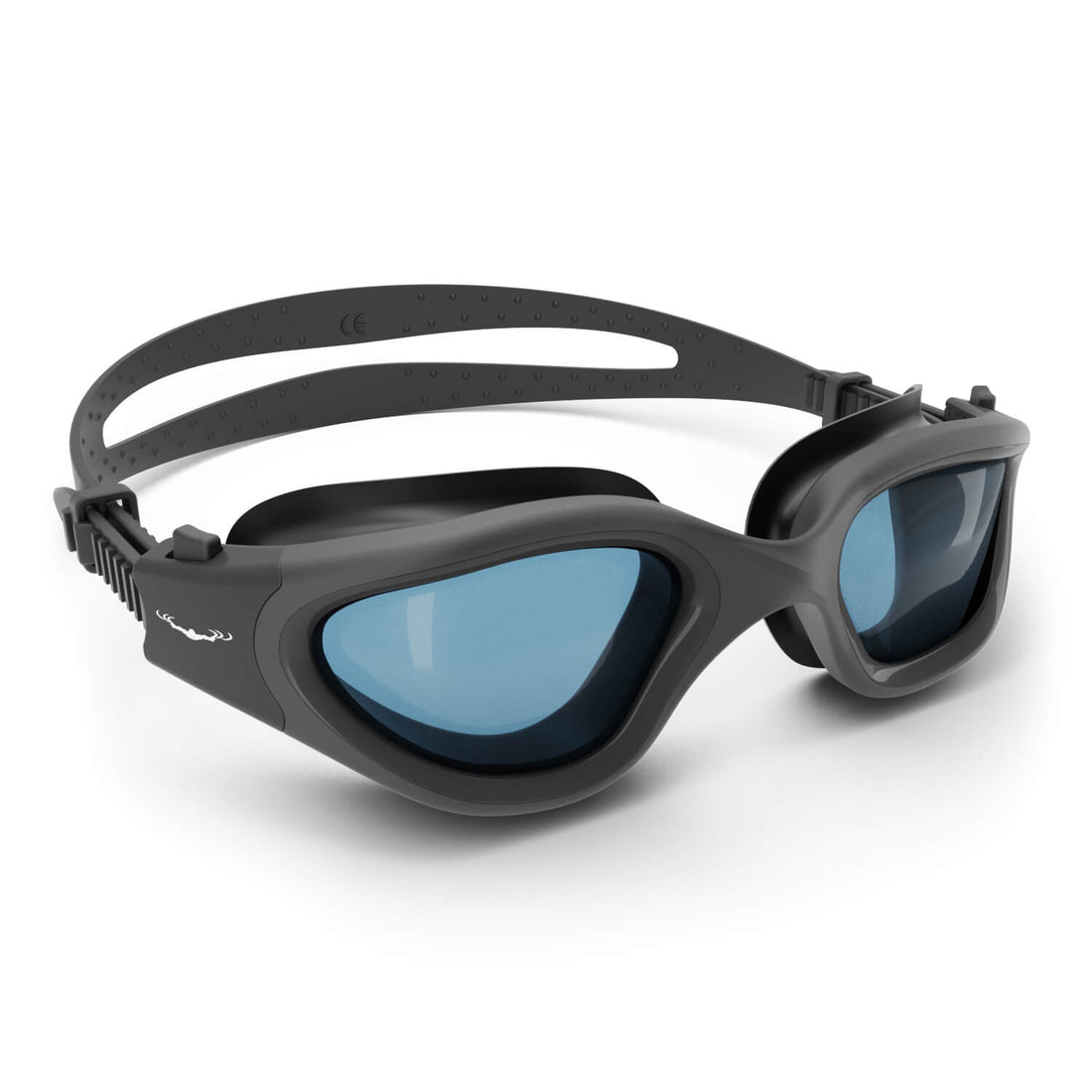
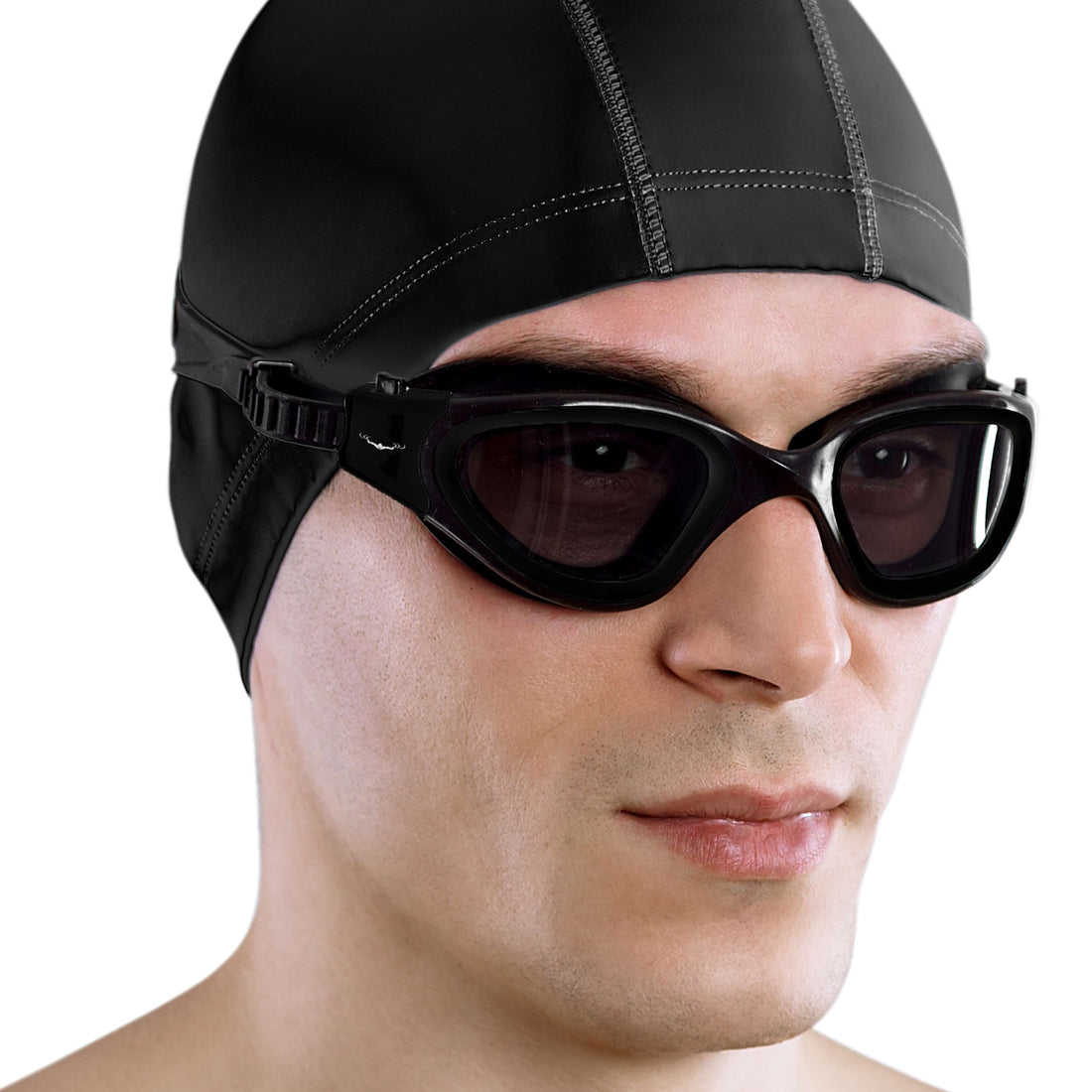
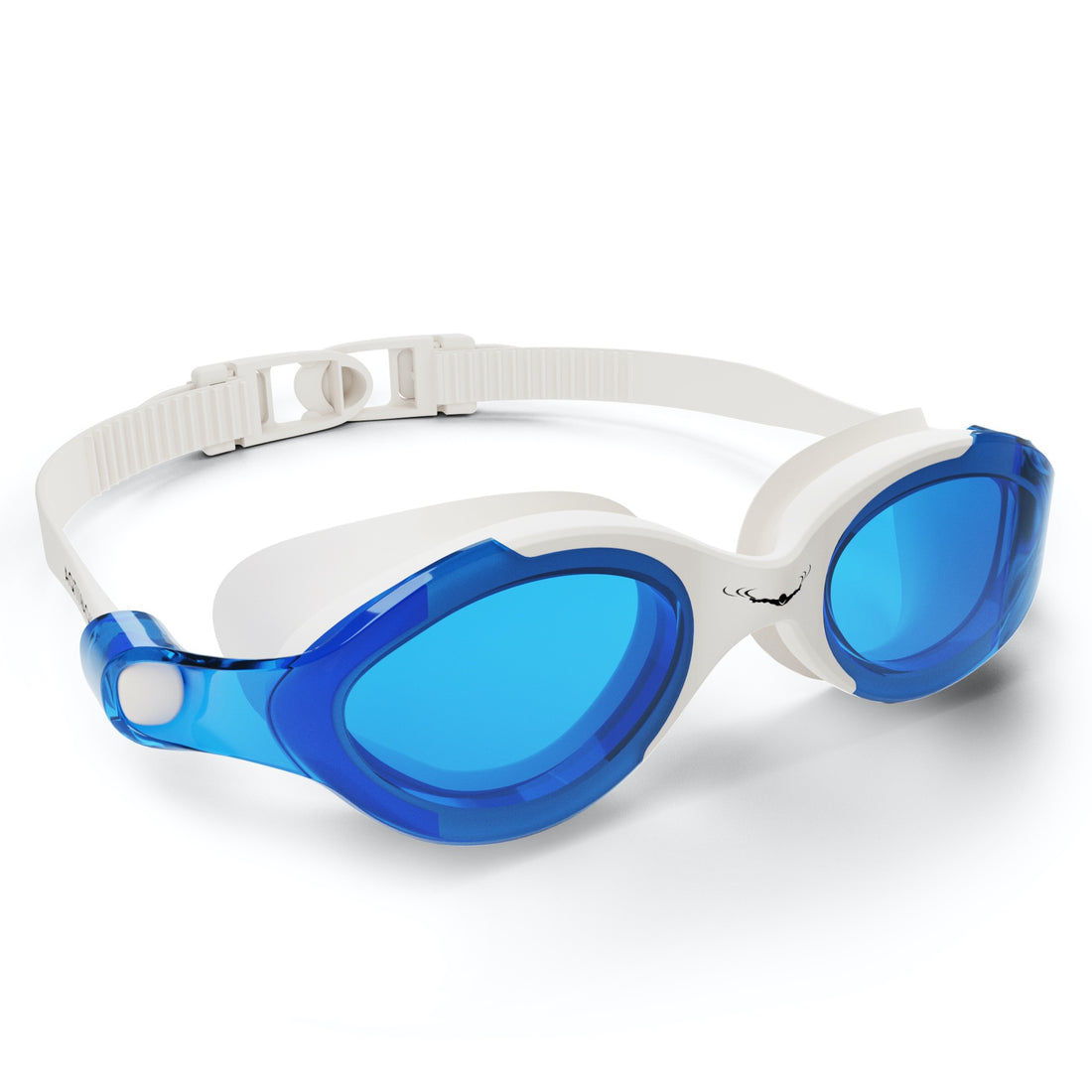
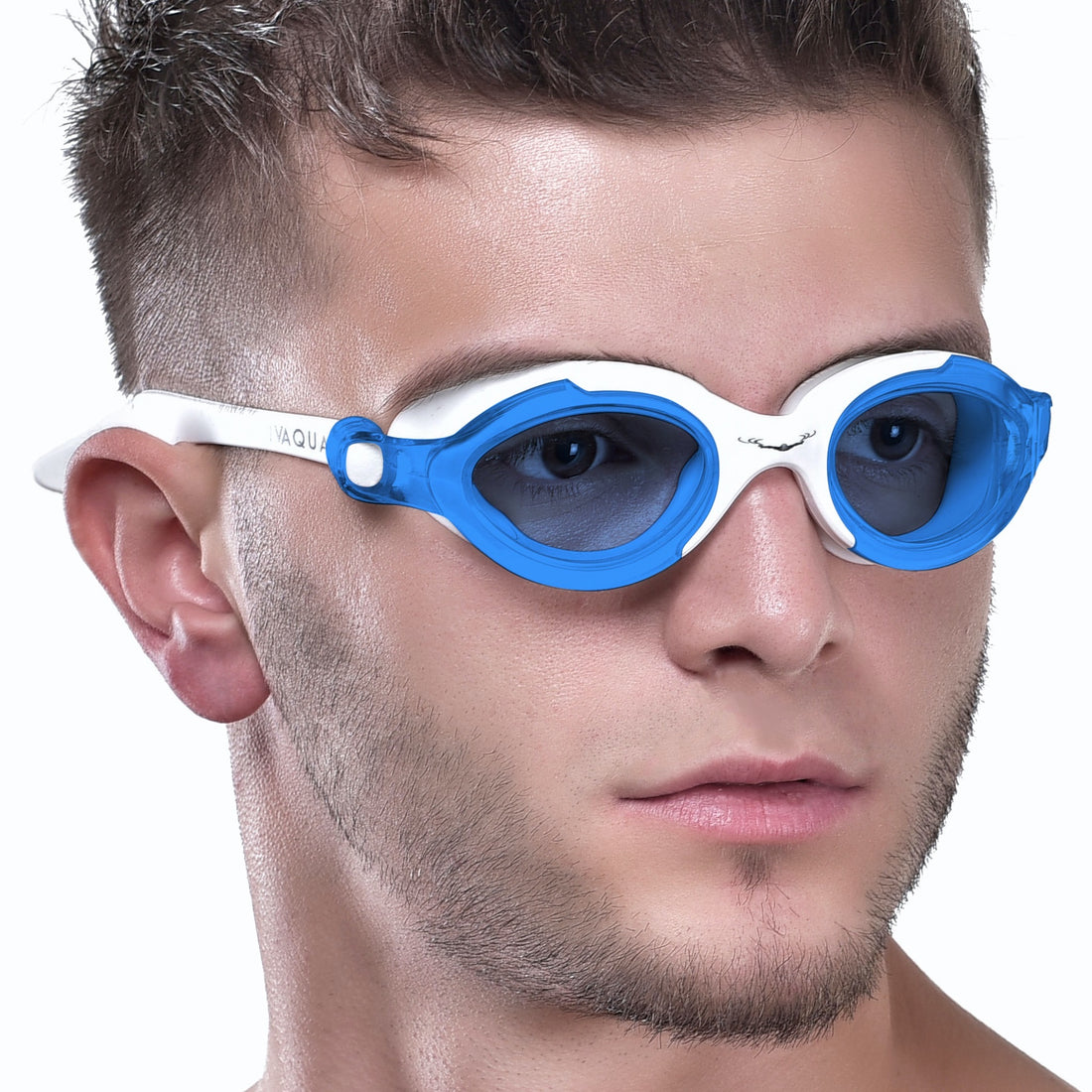
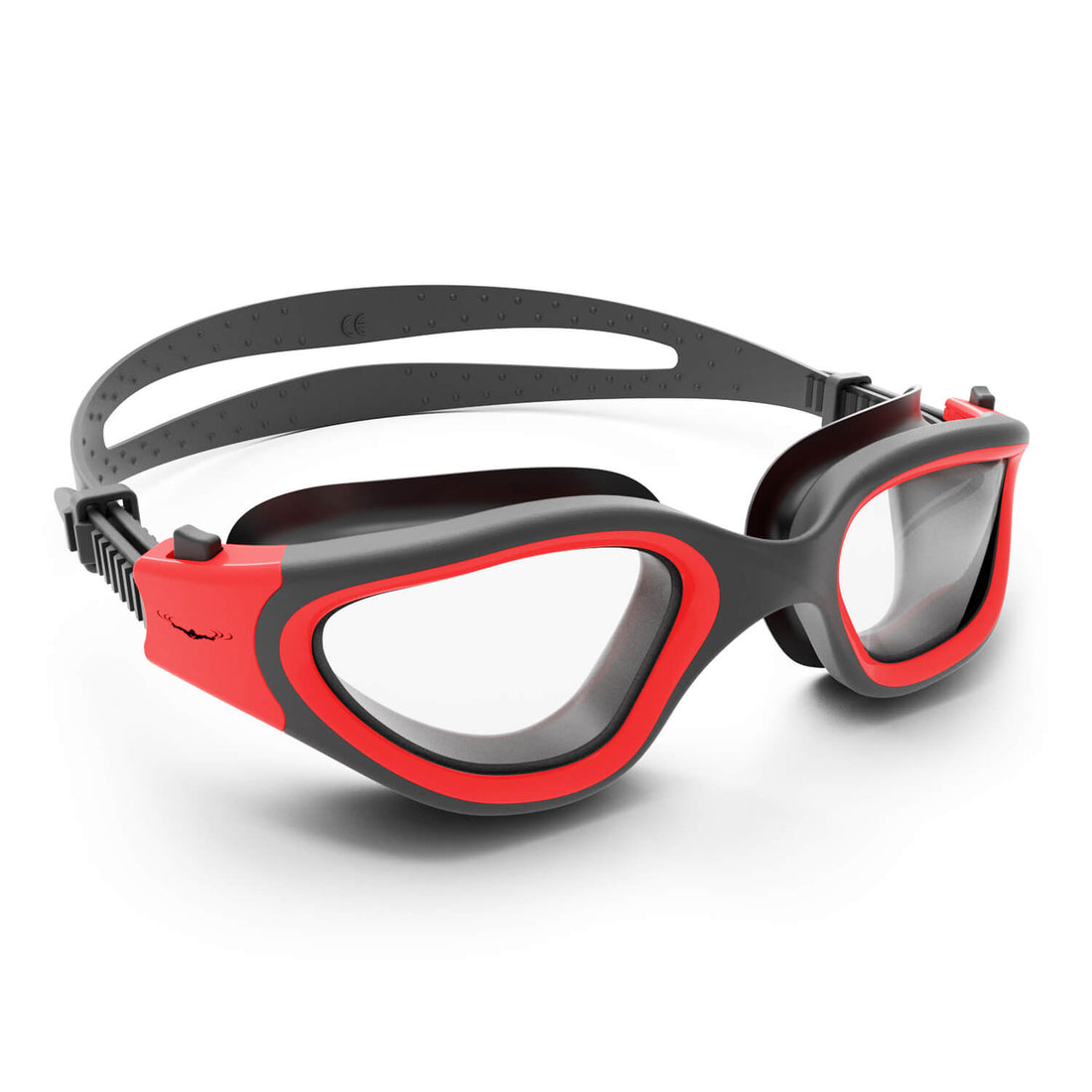
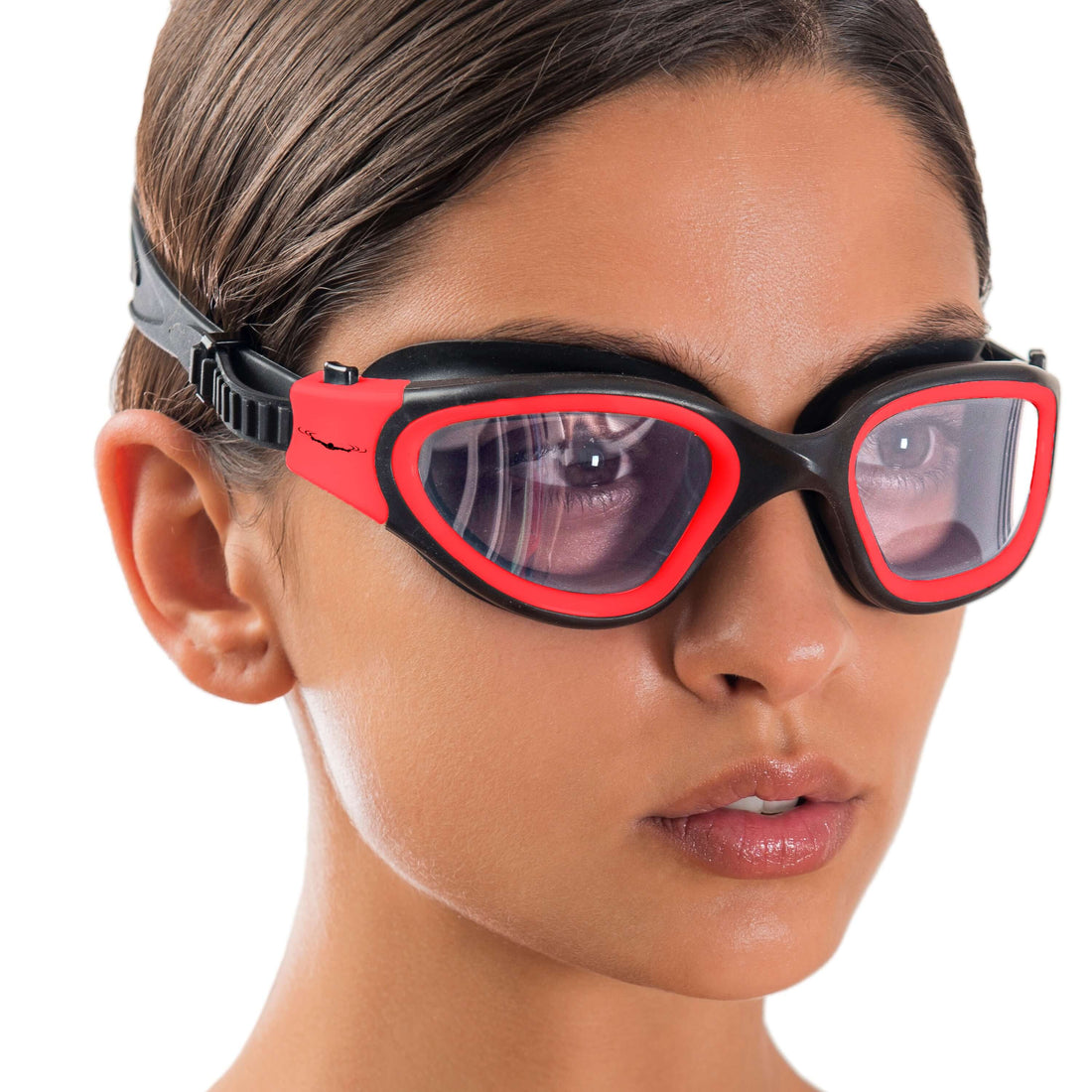
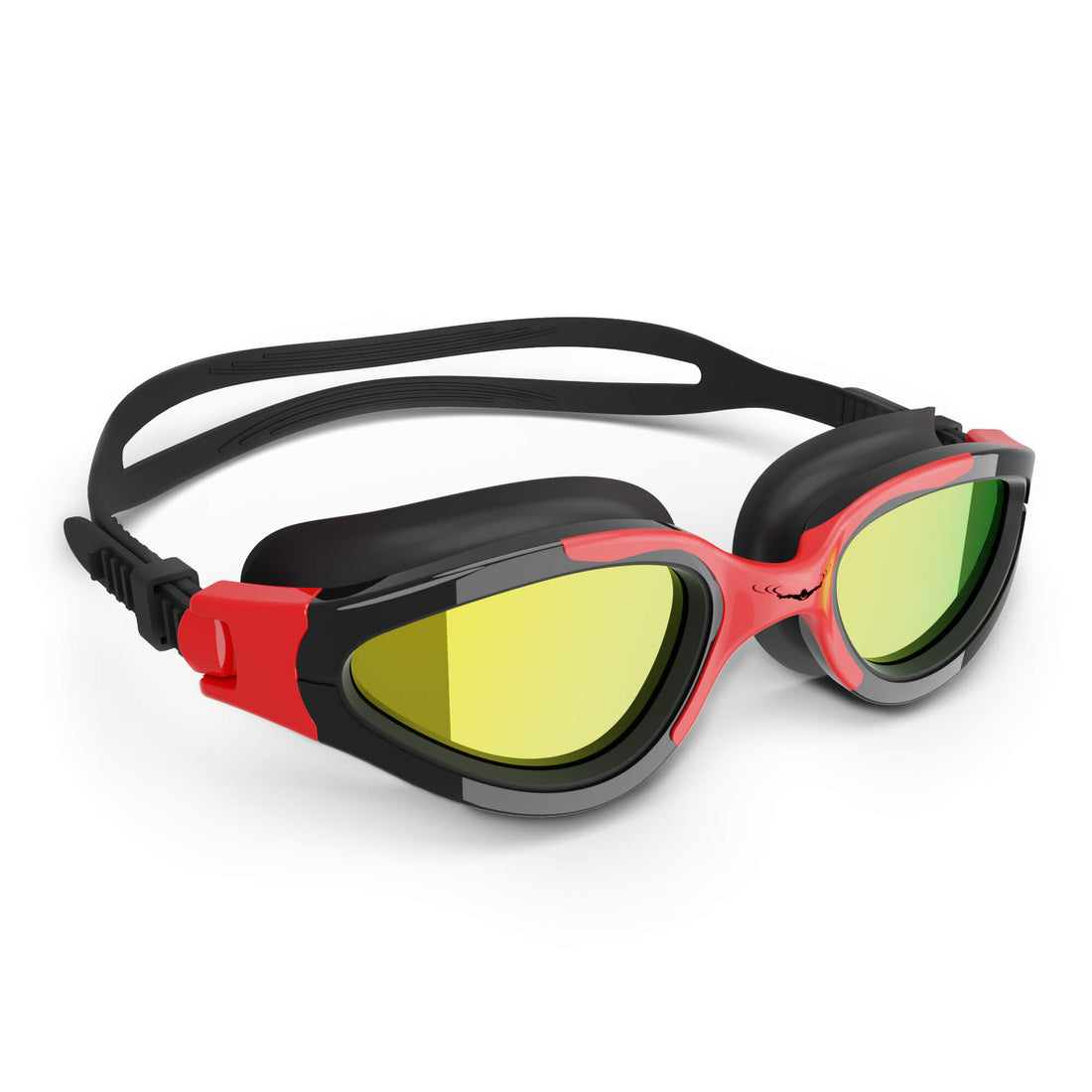
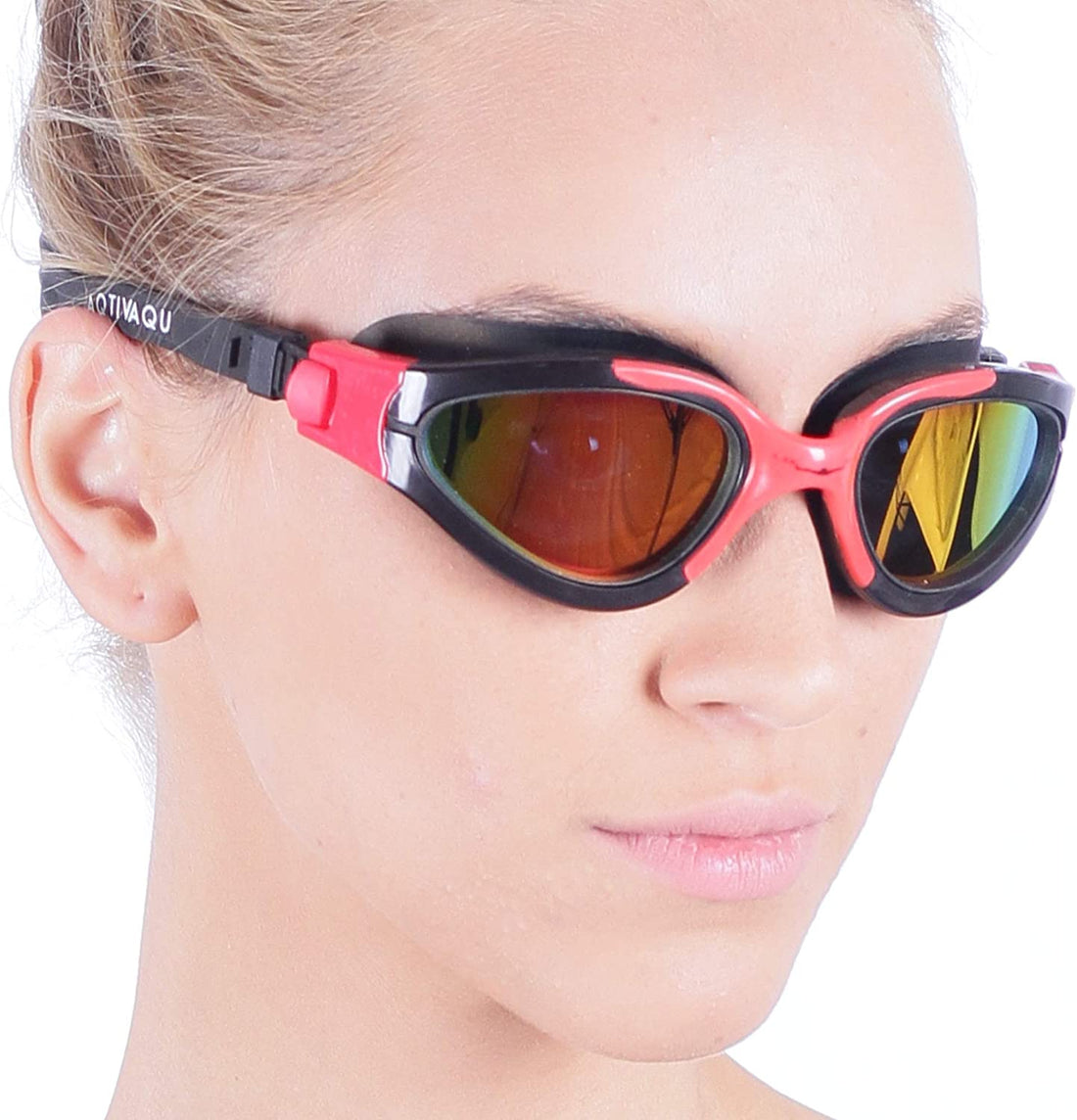
Swim goggles are essential for protecting your eyes from chlorine and ensuring clear vision while swimming underwater. They also provide comfort by allowing you to focus on technique without worrying about irritation or discomfort.
- Choose goggles that fit comfortably and provide a tight seal to prevent water from leaking in.
- Look for anti-fog features to maintain clarity while swimming.
- Consider polarized lenses for outdoor swimming to reduce glare from the sun.
Swim Ear Bands
Swim ear bands are handy accessories, especially for those who struggle with water getting trapped in their ears. These bands can help keep the ears dry, preventing discomfort and infections.
- Invest in a swim ear band that fits snugly without being too tight.
- Consider adjustable options for a personalized fit.
How to Improve Your Swimming Technique
Mastering swimming strokes takes practice and dedication. Here are some tips to help you enhance your swimming technique:
1. Consistent Practice
The key to improving any skill is consistent practice. Set aside regular time each week to swim and focus on different strokes. Try to incorporate drills that emphasize technique.
2. Work with a Coach or Attend Classes
If you're having difficulty mastering a stroke, consider working with a swim coach or enrolling in swimming classes. Their expertise can provide you with personalized feedback and guidance.
3. Use Drills and Equipment
Utilize drills that focus on specific movements for each stroke. Equip yourself with tools like kickboards to strengthen your legs or pull buoys to focus on upper body strength.
4. Record and Analyze Your Technique
Recording your swimming sessions can be incredibly beneficial. Watching your strokes on video allows you to spot inefficiencies and areas for improvement in your technique.
Embrace the Water, Embrace Yourself!
Understanding the different swimming strokes enables you to become a more confident and skilled swimmer. By practicing these strokes and using the right gear, such as swim goggles and swim ear bands, you’ll not only boost your swimming efficiency but also make the experience more enjoyable. Whether you're swimming for fitness, fun, or competition, the power of water is waiting to be embraced. So, dive in, perfect your technique, and let the waves of progress carry you to new swimming horizons!
Frequently Asked Questions
1. What are the benefits of swimming as a workout?
2. What are the different types of swimming strokes?
3. How can I improve my swimming technique?
4. What swimming gear is essential for swimmers?
5. Is breaststroke suitable for beginners?
Glossary
| Term | Meaning |
|---|---|
| Freestyle Stroke | The fastest swimming stroke, using alternating arm movements and a flutter kick. |
| Backstroke | A stroke performed on the back, enhancing flexibility and core strength. |
| Breaststroke | A rhythmic stroke with circular arm movements and a frog kick, ideal for beginners. |
| Butterfly Stroke | A demanding stroke involving simultaneous arm movements and a dolphin kick. |
| Swim Goggles | Protective eyewear that ensures clear vision and comfort while swimming. |
| Swim Ear Bands | Accessories that keep ears dry and prevent water from entering, avoiding discomfort. |
| Cardiovascular Exercise | Activities that improve heart and lung health, like swimming. |
| Flutter Kick | A quick, alternating kick used in freestyle and backstroke. |
| Dolphin Kick | A powerful, simultaneous kick used in the butterfly stroke. |
| Technique Drills | Exercises focused on improving specific swimming movements and skills. |
Linked Product

DX Wide View Swim Goggles + SHOCK Protective Case
The DX Wide View Swim Goggles feature clear, untinted 180° polycarbonate lenses for true-color visibility, making them ideal for indoor pools and low-light environments. With advanced anti-fog technology and UV400 protection, these goggles ensure crisp vision both above and below water. Designed for comfort and durability, they include soft double-seals for a secure fit and come with a protective SHOCK case for convenient storage.
View Product