

Overview
Water activities are fun but require strong water safety knowledge. This guide covers essential water safety principles, the role of lifeguards, and tips for keeping families safe, including the importance of supervision, safety gear like swim goggles, and emergency preparedness. Educating both adults and children about water safety can prevent accidents and ensure enjoyable experiences.
Frequently Asked Questions
1. Why is water safety essential?
2. What are the basic principles of water safety?
3. What role do lifeguards play in water safety?
4. How can I teach kids water safety effectively?
5. What should I consider when preparing for water activities?
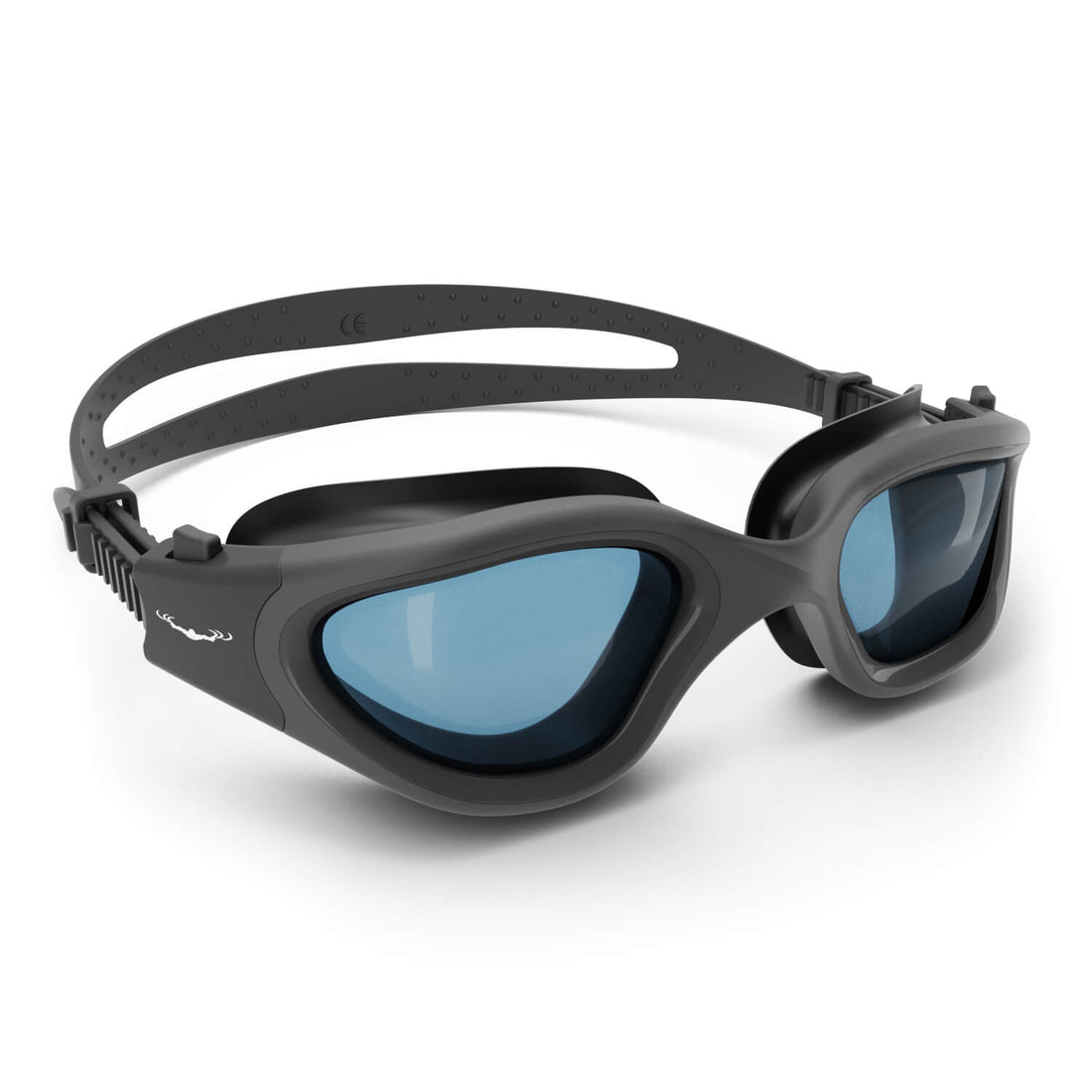
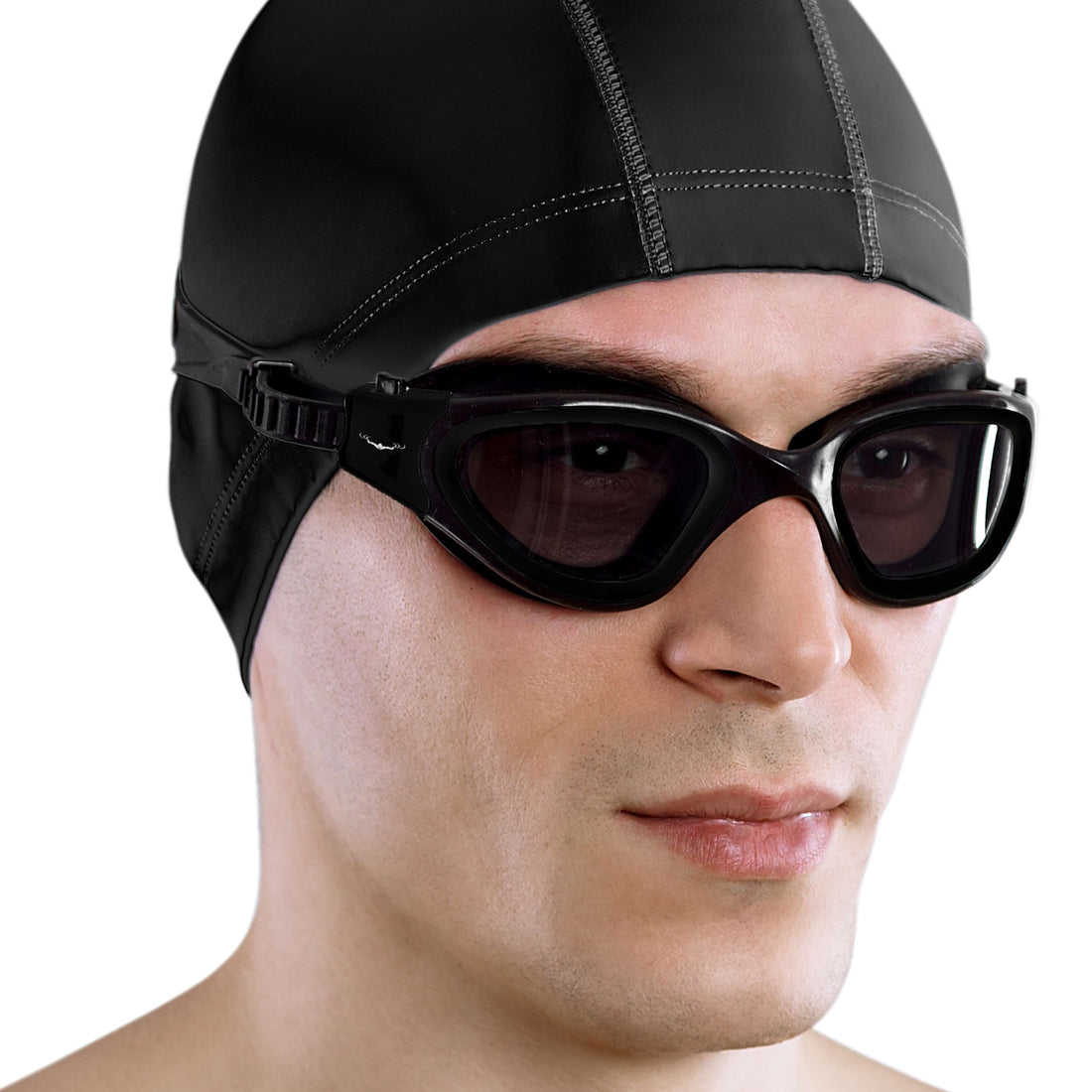
Water activities are an essential part of summer fun, family vacations, and everyday recreation. While they can be enjoyable, they also require a strong understanding of water safety and lifeguard basics. To ensure a safe and fulfilling experience, both adults and children need to be educated on how to behave in and around water. This comprehensive guide provides crucial information on water safety principles, the role of a lifeguard, and tips to keep your family safe, including the use of products like kids swim goggles and swimming goggles.
Understanding Water Safety
Water safety encompasses a set of guidelines and practices aimed at preventing accidents and ensuring fun experiences in water environments. Whether it’s a swimming pool, lake, or ocean, knowing how to stay safe is paramount.
Why Water Safety is Essential
Every year, water-related incidents lead to injuries and fatalities, stressing the need for strong water safety knowledge. Here are a few key reasons why water safety is essential:
- Prevention of Accidents: Understanding the risks associated with water activities can greatly reduce the likelihood of drowning or injuries.
- Awareness of Surroundings: Being aware of your environment—such as currents, depth, and weather conditions—helps to assess the safety of a water situation.
- Education for All Ages: Teaching water safety to kids instills lifelong skills that can save lives.
Basic Principles of Water Safety
Here are some fundamental principles of water safety to remember for your family outings:
- Never Swim Alone: Ensure children and adults always swim with others for safety.
- Use Life Jackets: When engaging in water sports or activities, properly fitted life jackets should be worn, especially for kids.
- Enforce Safety Rules: Establish and communicate clear rules for behavior around water, such as no running near pool edges.
- Stay Within Designated Areas: Swimming only in areas monitored by lifeguards can minimize risks.
- Supervise Children: Always keep an eye on kids when they are around water, regardless of their swimming level.
The Role of a Lifeguard
Lifeguards play a fundamental role in maintaining safety at swimming facilities and beaches. Understanding their responsibilities gives you greater insight into how safety is managed.
Key Responsibilities of Lifeguards
Lifeguards are trained professionals who monitor swimming areas to prevent accidents. Their primary duties include:
- Surveillance: Constantly observing swimmers to identify potential dangers or emergencies.
- Rescue: Swiftly responding to emergencies and performing rescues as needed.
- First Aid: Providing immediate care in case of injuries or illness.
- Education: Teaching water safety principles to the public, including the importance of equipment like swimming goggles and floatation devices.
The Importance of Lifeguard Training
Lifeguard training is crucial for equipping professionals with the skills needed for effective monitoring and intervention. Training programs typically cover:
- Rescue Techniques: Methods of saving individuals in distress while ensuring the safety of the rescuer.
- CPR and First Aid: Life-saving techniques to stabilize victims before additional help arrives.
- Water Safety Education: Maintaining awareness of water conditions and educating the public on safety measures.
Water Safety for Kids
Children have unique needs when it comes to water safety. Educating them early on ensures they are well-equipped to enjoy swimming safely.
Teaching Kids Water Safety
Here are effective ways to teach water safety to kids:
- Communicate Clearly: Use simple language to communicate safety rules and the reasons behind them.
- Demonstrate Proper Swimming Techniques: Teach them basic swimming strokes and how to float.
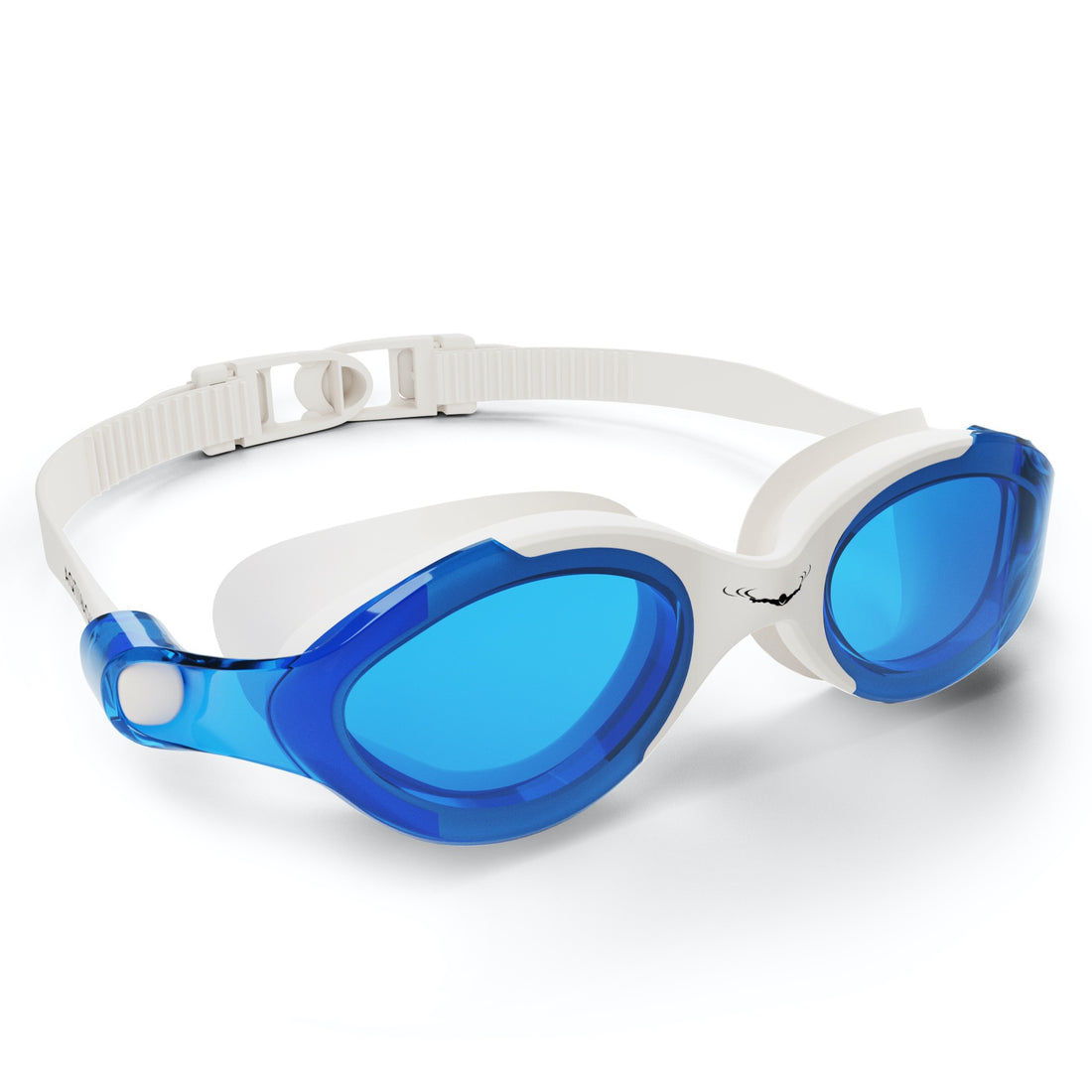
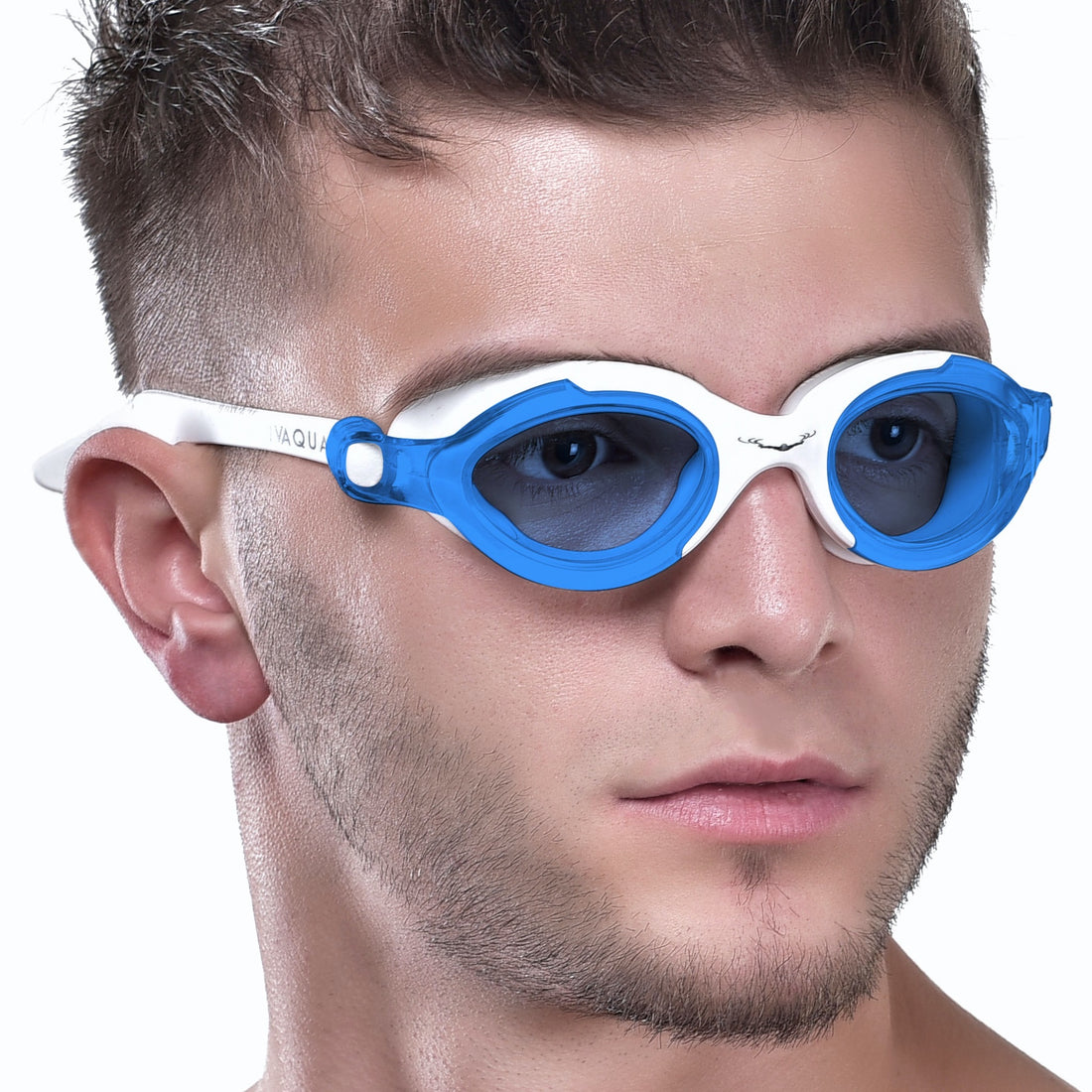
- Encourage Use of Safety Gear: Highlight the importance of wearing safety gear such as kids swim goggles and life jackets.
- Practice Emergency Responses: Role-play scenarios so kids know how to react in emergency situations.
Choosing the Right Equipment
When it comes to children's aquatic safety, the right equipment is essential. This includes:
- Kids Swim Goggles: Provide comfort and protection for young swimmers, enabling them to see underwater clearly.
- Life Jackets: Ensure a proper fit for buoyancy, allowing kids to float and aiding them in learning to swim safely.
- Swimmies and Arm Bands: Offer additional flotation support for less confident swimmers.
Preparing for Water Activities
Before diving into any water activities, preparation is key to ensuring safety. Here’s what to keep in mind:
Assessing the Location
Evaluating the swimming area can help prevent unforeseen accidents. Take note of:
- Water Conditions: Check for strong currents, waves, or unexpected drop-offs.
- Depth of Water: Ensure that the swimming area is suitable for your skill level and that you know where shallower areas are located.
- Weather Conditions: Be mindful of changing weather that can impact safety, such as lightning or heavy winds.
Packing Smart for the Day
What to pack for a safe and enjoyable day at the water:
- Sun Protection: Apply sunscreen and bring hats to protect against sunburn.
- Hydration: Keep water bottles on hand to stay hydrated.
- Safety Gear: Ensure kids swim goggles and other safety gear are easily accessible.
Emergency Preparedness
No matter how careful you are, emergencies can happen. Being prepared ensures you can act quickly and effectively.
Creating an Emergency Plan
Having a plan in place can make all the difference. Consider these elements:
- Define Emergency Roles: Assign specific roles for adults and older kids during a crisis—who will call for help, who will perform first aid, etc.
- Location of Emergency Equipment: Clearly identify where first aid kits, rescue equipment, and emergency contacts are stored.
- Regular Drills: Practice the emergency plan periodically so everyone knows their role.
What to Do in an Emergency
If an emergency arises, here’s a concise action plan:
- Stay Calm: Keeping a level head can help you think clearly and react effectively.
- Assess the Situation: Determine the type of emergency before taking action.
- Activate Help: Call emergency services if needed, and use local resources like lifeguards.
- Provide First Aid: If trained, administer first aid until professional help arrives.
Swimming Safety for Older Kids and Teens
As kids grow into teenagers, their independence in the water increases, but so does the importance of remembering safety measures. Here are tips to enhance their safety:
Encouraging Responsible Behavior
For older kids and teens, maintain a focus on responsible swimming practices. Encourage them to:
- Avoid Risky Activities: Discourage dangerous activities like diving in shallow water or swimming near hazardous currents.
- Be Aware of Limitations: Ensure they recognize their swimming abilities and stay within those limits.
- Use Safety Gear: Remind them that even experienced swimmers can benefit from safety gear, such as quality swimming goggles.
Promoting Safety Culture in Groups
Encourage older kids and teens to promote safety among peers by:
- Leading by Example: Demonstrate good water safety practices themselves.
- Encouraging Friends: Foster a culture where they remind friends to follow safety guidelines.
- Calling for Help: Instill the importance of getting help when needed, regardless of peer pressure.
A Splash of Safety Knowledge
Understanding water safety and lifeguard basics is crucial for enjoying water-related activities while minimizing risks. By fostering communication and emphasizing safety skills, everyone can have fun in the water without worry. Remember to take advantage of safety gear like kids swim goggles and swimming goggles to enhance the swimming experience for all ages. Prioritizing water safety is not just about rules; it’s about creating a culture of care and responsibility around water activities.
Your family can safely dive into summer fun knowing that they are equipped with the right skills and knowledge to stay out of harm's way. Get ready for an unforgettable season of laughter and joy in the water, practicing safety at every stroke!
Linked Product

DX-MINI Kids Swim Goggles
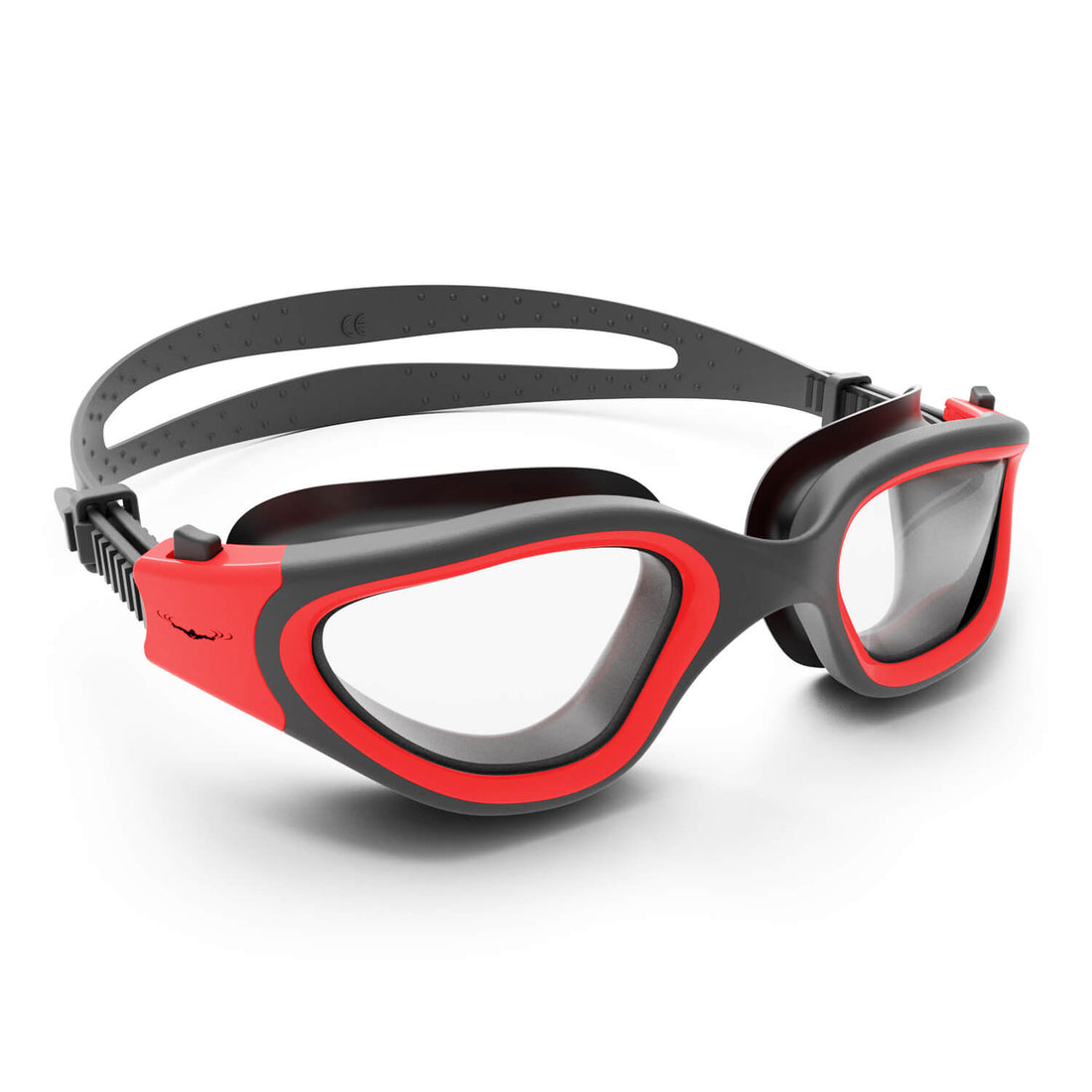
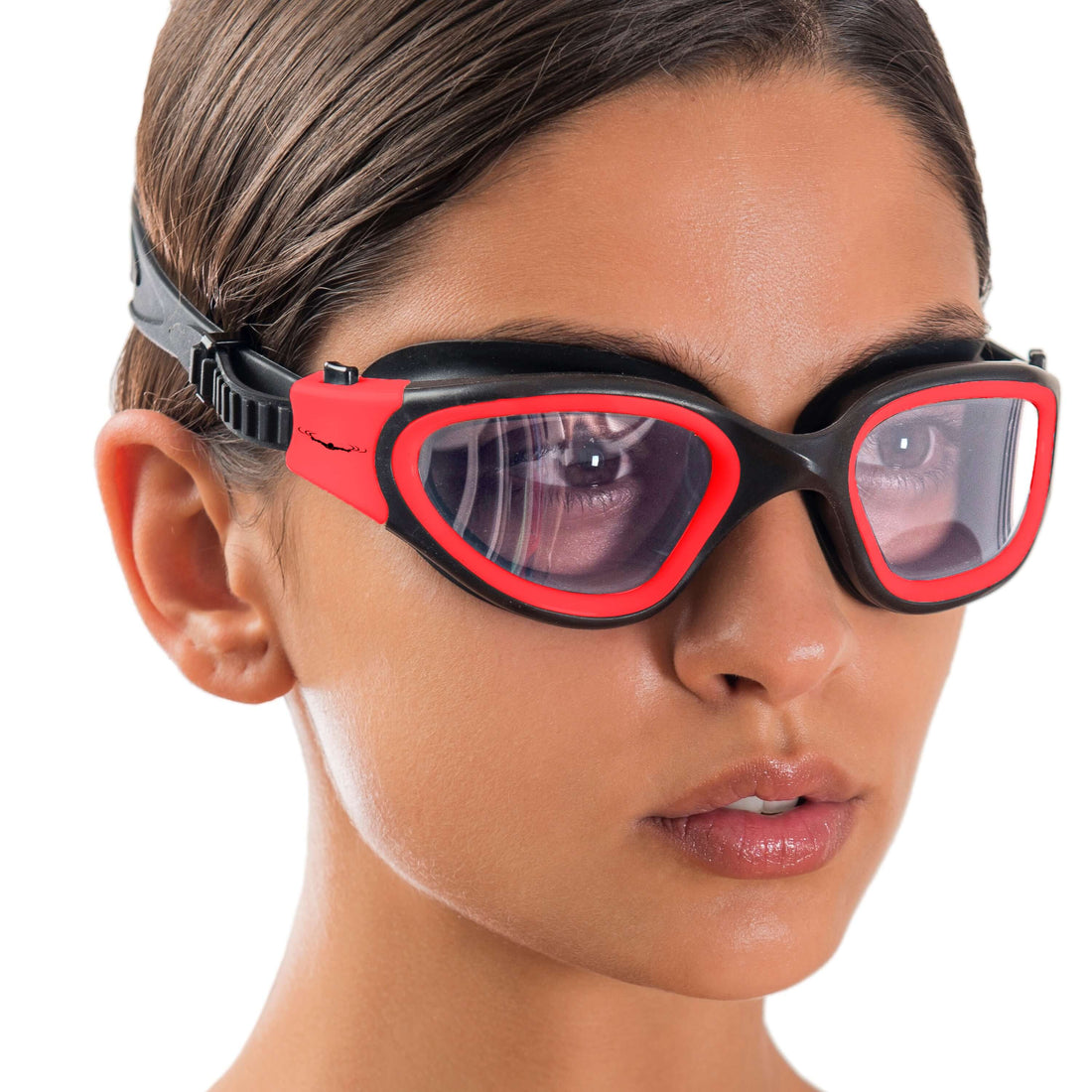
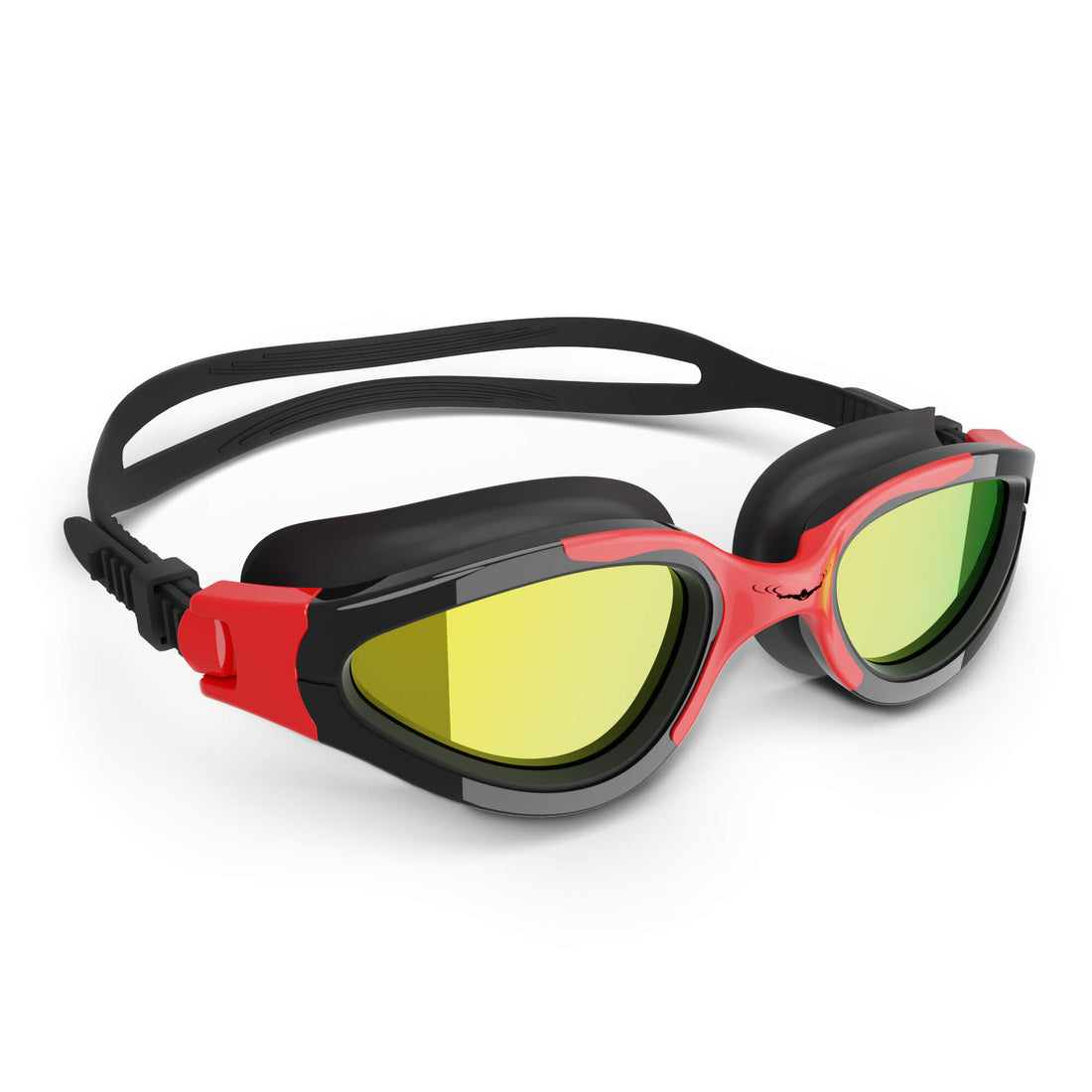
The DX-MINI Kids Swim Goggles offer a comfortable fit with ultra-soft silicone gaskets, ensuring a secure seal without discomfort. Designed for active play, these goggles feature a split, anti-slip strap that keeps them in place during jumps and flips. With impact-resistant lenses providing clear, fog-free vision and UV protection, kids can explore their aquatic environment confidently.
View Product