

Overview
Swimming performance is greatly enhanced by proper nutrition. Key points include focusing on macronutrients (carbohydrates for energy, proteins for recovery, and healthy fats), staying hydrated, timing meals effectively (pre- and post-training), and incorporating nutrient-dense snacks. Weight management and recovery practices also play crucial roles. Balance your diet with whole foods and consider supplements if needed, while prioritizing hydration and smart eating strategies to maximize your training and performance in the pool.
Table of Contents
- Understanding the Role of Nutrition in Swimming
- The Importance of Macronutrients
- Staying Hydrated
- Hydration Tips for Swimmers
- Timing Your Meals
- Pre-Training Nutrition
- Post-Training Nutrition
- Combining Nutrition and Training
- Preparing for Competition
- Snack Smart
- Healthy Snack Ideas for Swimmers
- Weight Management in Swimmers
- Tips for Healthy Weight Management
- Beyond Food: Supplements and Recovery
- Smart Recovery Practices
- Key Takeaways for Optimal Nutrition
- Final Thoughts
Key Takeaways
- Macronutrients Matter: Prioritize carbohydrates for energy, proteins for muscle repair, and healthy fats for sustained endurance.
- Hydration is Key: Drink at least 8-10 cups of water daily and use electrolyte drinks during extended training sessions.
- Meal Timing: Eat a carb-rich meal 2-3 hours before training and focus on carbs and protein within 30-60 minutes post-training.
- Carbohydrate Loading: Increase carb intake before competitions to maximize glycogen stores and ensure proper hydration.
- Smart Snacking: Incorporate nutrient-dense snacks like nut butter with whole-grain crackers and energy bars to maintain energy levels.
- Weight Management: Focus on balanced macronutrient intake, consistent meal times, and portion control to maintain optimal weight.
- Recovery Practices: Use active recovery methods, foam rolling, and adequate sleep to enhance muscle repair and growth.
Swimming is an incredible sport that requires a unique blend of strength, endurance, and technique. However, the effort put into training can only yield optimal results when paired with the right nutrition. Understanding what to eat and when to eat can significantly enhance a swimmer's performance. In this article, we’ll delve into essential nutrition tips for swimmers looking to take their performance to the next level.
Understanding the Role of Nutrition in Swimming
Nutrition forms the foundation of a swimmer's overall performance. It not only supports energy levels but also impacts recovery times and overall health. Proper nutrition can aid in maintaining muscle mass, enhancing endurance, and improving focus during practices and competitions. It's crucial to approach your diet thoughtfully if you're aiming to truly excel in the pool.
The Importance of Macronutrients
When discussing nutrition, it's essential to start with macronutrients: carbohydrates, proteins, and fats. Each of these plays a significant role in a swimmer's diet.
- Carbohydrates: These are the primary source of energy for swimmers. Complex carbohydrates like whole grains, fruits, and vegetables should make up a significant part of a swimmer's diet. They provide sustained energy throughout training and races.
- Proteins: Proteins are necessary for muscle repair and recovery. Swimmers should aim for high-quality protein sources such as lean meats, dairy, nuts, and legumes. Including protein in every meal can help maintain muscle mass and promote faster recovery.
- Fats: Healthy fats are vital for long-distance swimmers as they provide essential fatty acids and additional energy. Sources like avocados, nuts, and olive oil are beneficial choices.
Staying Hydrated
Water is an often-overlooked part of nutrition for swimmers. Staying adequately hydrated is essential for maintaining peak performance and preventing injuries. Dehydration can result in fatigue, decreased performance, and poor focus.
Hydration Tips for Swimmers
To ensure proper hydration, consider the following tips:
- Drink water throughout the day, not just during training. Aim for at least 8-10 cups daily, adjusting based on your activity level.
- Use electrolyte drinks during extended training sessions or competitions to replenish lost nutrients.
- Monitor your hydration levels. A simple way is to check the color of your urine – pale yellow indicates good hydration.
Timing Your Meals
Optimizing your meal timing can significantly impact your performance in the pool. Eating the right foods before and after training can enhance your energy levels and facilitate recovery.
Pre-Training Nutrition
Before a workout, it's essential to have a meal rich in carbohydrates and moderate in protein. Aim for a meal about 2-3 hours before swimming, and if you're close to training time, opt for easy-to-digest snacks like bananas or granola bars. Here are some ideal pre-training options:
- Whole grain toast with peanut butter
- Oatmeal with fruits
- A smoothie packed with spinach, banana, and yogurt
Post-Training Nutrition
After training, your body needs immediate replenishment to promote recovery. Focus on a combination of carbohydrates and protein within 30-60 minutes post-training. Healthy options include:
- Grilled chicken with sweet potato
- Greek yogurt with berries
- A protein shake with a banana
Combining Nutrition and Training
To maximize the benefits of your training regimen, it's essential to align your nutrition with your swim schedule. Busy training days require extra attention to both food intake and hydration.
Preparing for Competition
Leading up to a competition, pay attention to your diet more than ever. The days before the event should focus on carbohydrate loading to maximize glycogen stores. Here are a few tips:
- Increase your carbohydrates while slightly reducing your fat intake.
- Stay hydrated, and consider electrolyte maintenance.
- Avoiding new foods before the competition day can help prevent gastrointestinal issues.
Snack Smart
Snacking is an essential part of a swimmer's nutritional strategy. Nutrient-dense snacks can prevent hunger and provide the needed energy and nutrients throughout the day.
Healthy Snack Ideas for Swimmers
Consider incorporating these snack options between meals or during training:
- Nut butter packs with whole-grain crackers
- Hummus with carrot and cucumber sticks
- Energy bars made from oats and natural sweeteners
Weight Management in Swimmers
Achieving and maintaining an optimal weight is crucial in swimming. Lower body fat percentages can help swimmers achieve speed and reduce drag. However, ensuring that the body has enough fuel for training is of utmost importance.
Tips for Healthy Weight Management
Focus on sustainable practices rather than drastic measures. Here’s how swimmers can manage their weight effectively:
- Aim for a balanced intake of macronutrients without severe restrictions.
- Maintain consistent meal times and don’t skip meals.
- Monitor portion sizes to prevent overeating.
Beyond Food: Supplements and Recovery
While whole foods should form the basis of your diet, some swimmers consider supplements to fill in nutritional gaps. Supplements like Omega-3 fatty acids, Vitamin D, and protein powders can be beneficial, but it’s best to consult a nutritionist or healthcare provider before starting any supplement regimen.
Smart Recovery Practices
Recovery is where the real gains take place. Nutrition contributes significantly to recovery, but some practices can enhance it further:
- Employ active recovery methods like yoga or light swimming post-hard sessions.
- Incorporate foam rolling to relieve muscle tension.
- Make sure to get adequate sleep to allow muscle repair and growth.
Key Takeaways for Optimal Nutrition
Incorporating these nutrition tips into your daily routine will not only help you maximize your performance in the water but can also lead to a healthier lifestyle. Remember that swimming for performance is as much about your training in the water as it is about what you fuel your body with.
Final Thoughts
The journey to becoming a better swimmer is not solely defined by hours spent in the pool. It is equally shaped by the food that fuels your training and supports your recovery. By focusing on balanced nutrition, hydration, smart eating timing, and effective recovery strategies, you can elevate your swimming performance. Explore your nutrition options, listen to your body, and remember that every bit of effort counts both in the pool and at the table. Now go grab your clear swim goggles, dive into your training, and watch as your performance soars!
Frequently Asked Questions
1. Why is nutrition important for swimmers?
2. What are the main macronutrients swimmers should focus on?
3. How can I stay hydrated as a swimmer?
4. What should I eat before and after training?
5. How can I manage my weight effectively as a swimmer?
Glossary
| Term | Meaning |
|---|---|
| Macronutrients | Nutrients required in large amounts: carbohydrates, proteins, and fats. |
| Carbohydrates | Primary energy source for swimmers, found in whole grains, fruits, and vegetables. |
| Proteins | Essential for muscle repair and recovery, sourced from meats, dairy, and legumes. |
| Fats | Provide essential fatty acids and energy, found in avocados, nuts, and oils. |
| Hydration | Maintaining fluid balance to support performance and prevent fatigue. |
| Pre-Training Nutrition | Meals rich in carbs and moderate protein consumed before workouts. |
| Post-Training Nutrition | Combination of carbs and protein consumed shortly after training for recovery. |
| Carbohydrate Loading | Increasing carb intake before competition to maximize energy stores. |
| Snacking | Consuming nutrient-dense foods between meals to maintain energy levels. |
| Recovery | Processes and practices that enhance muscle repair and performance gains. |
Linked Product

DX Wide View Swim Goggles + SHOCK Protective Case
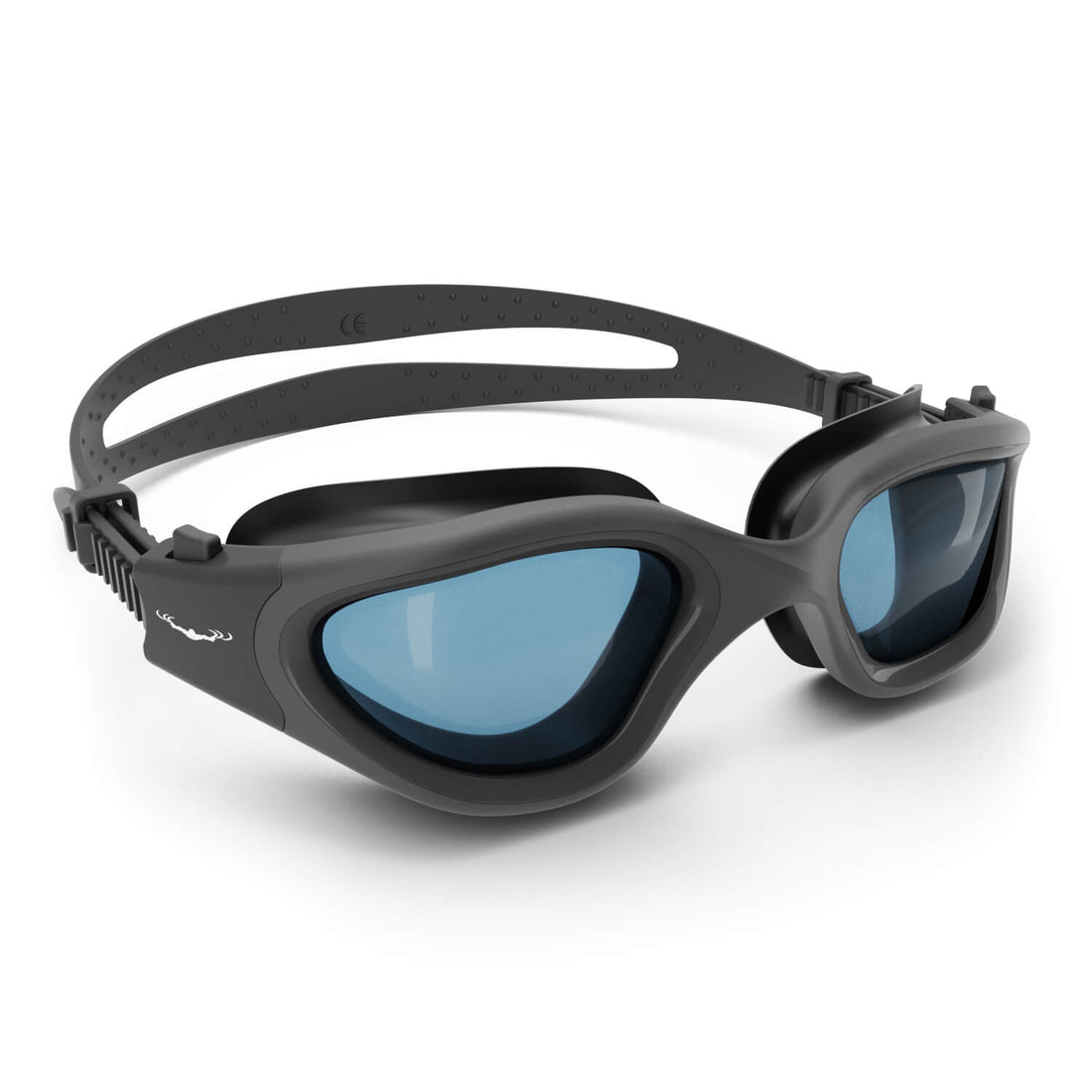
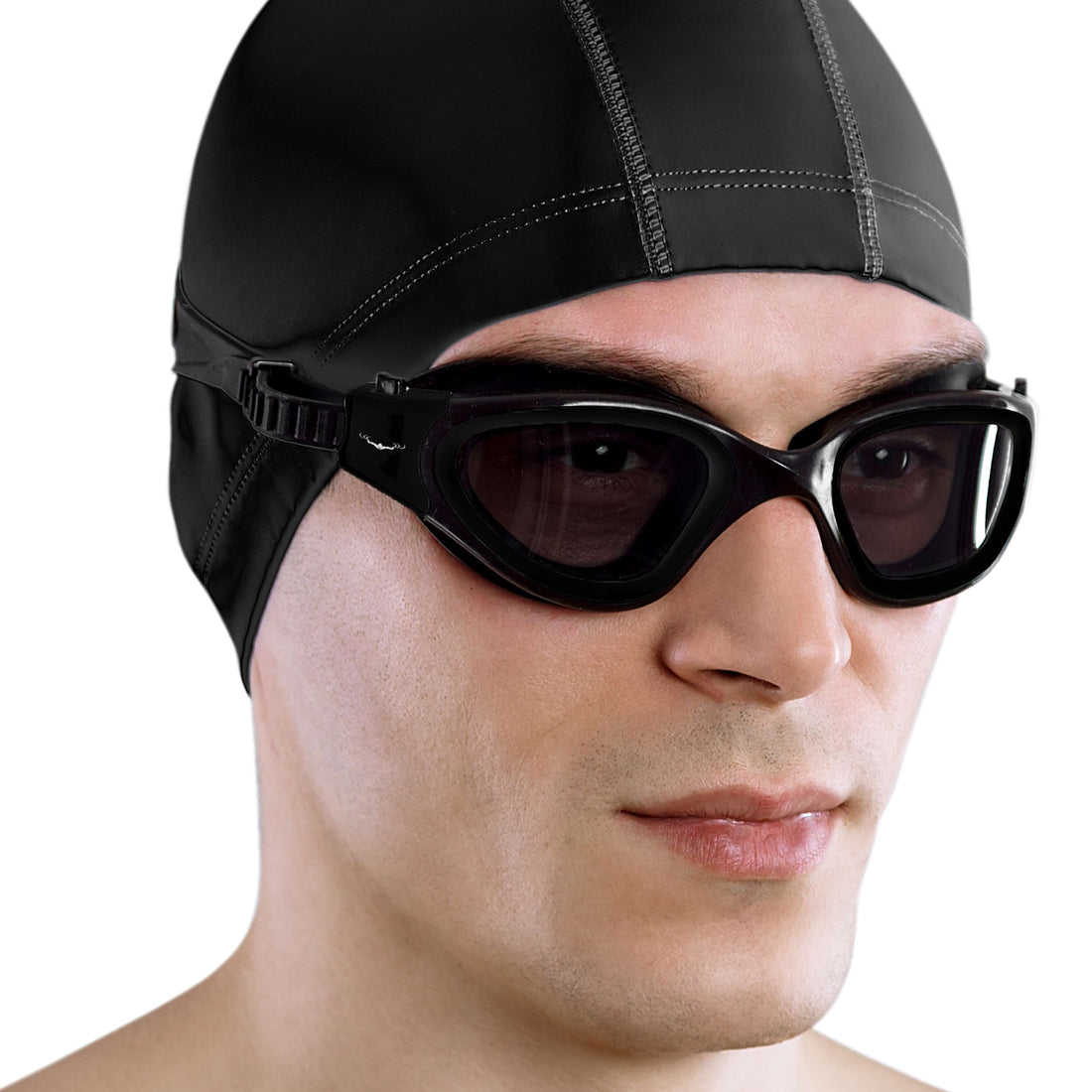
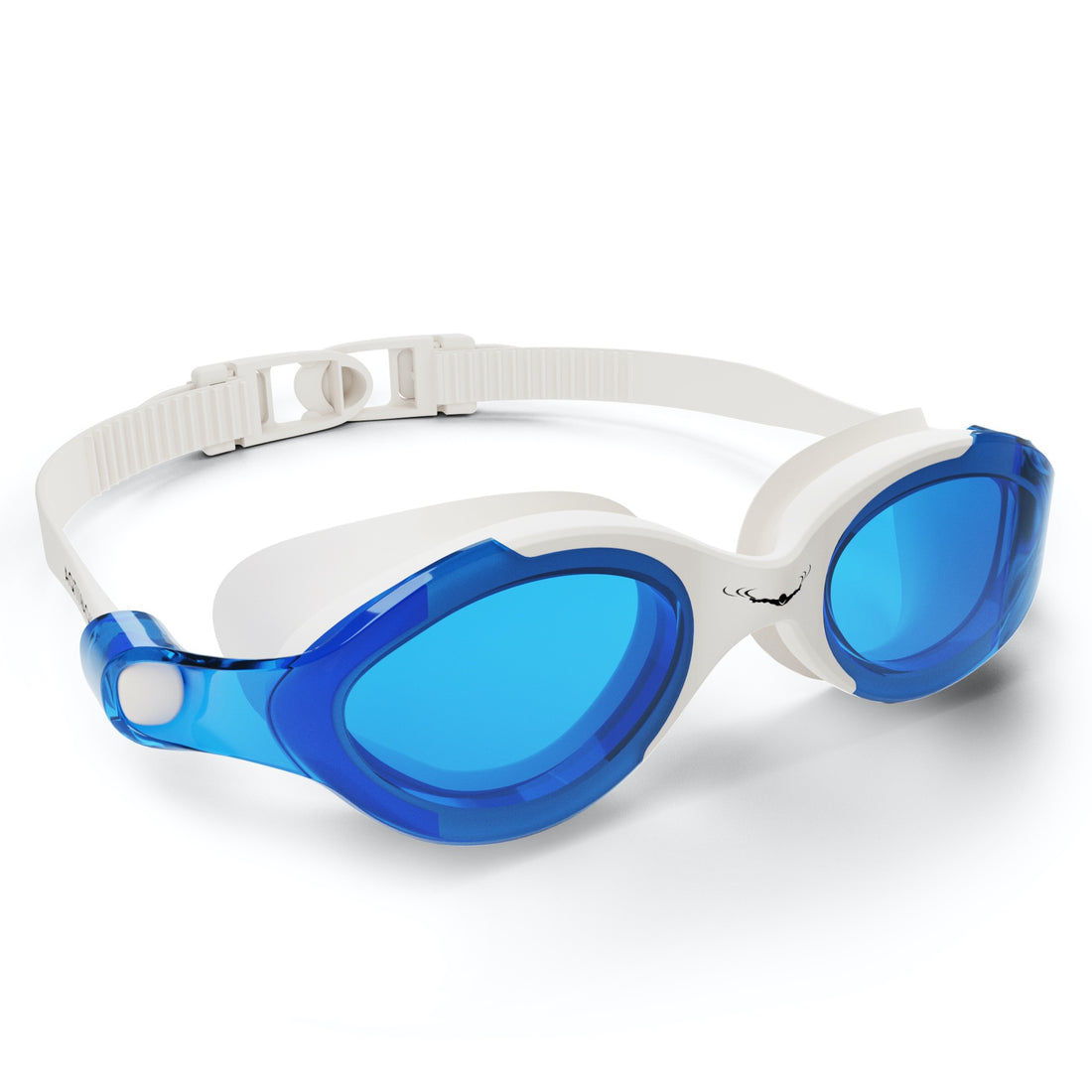
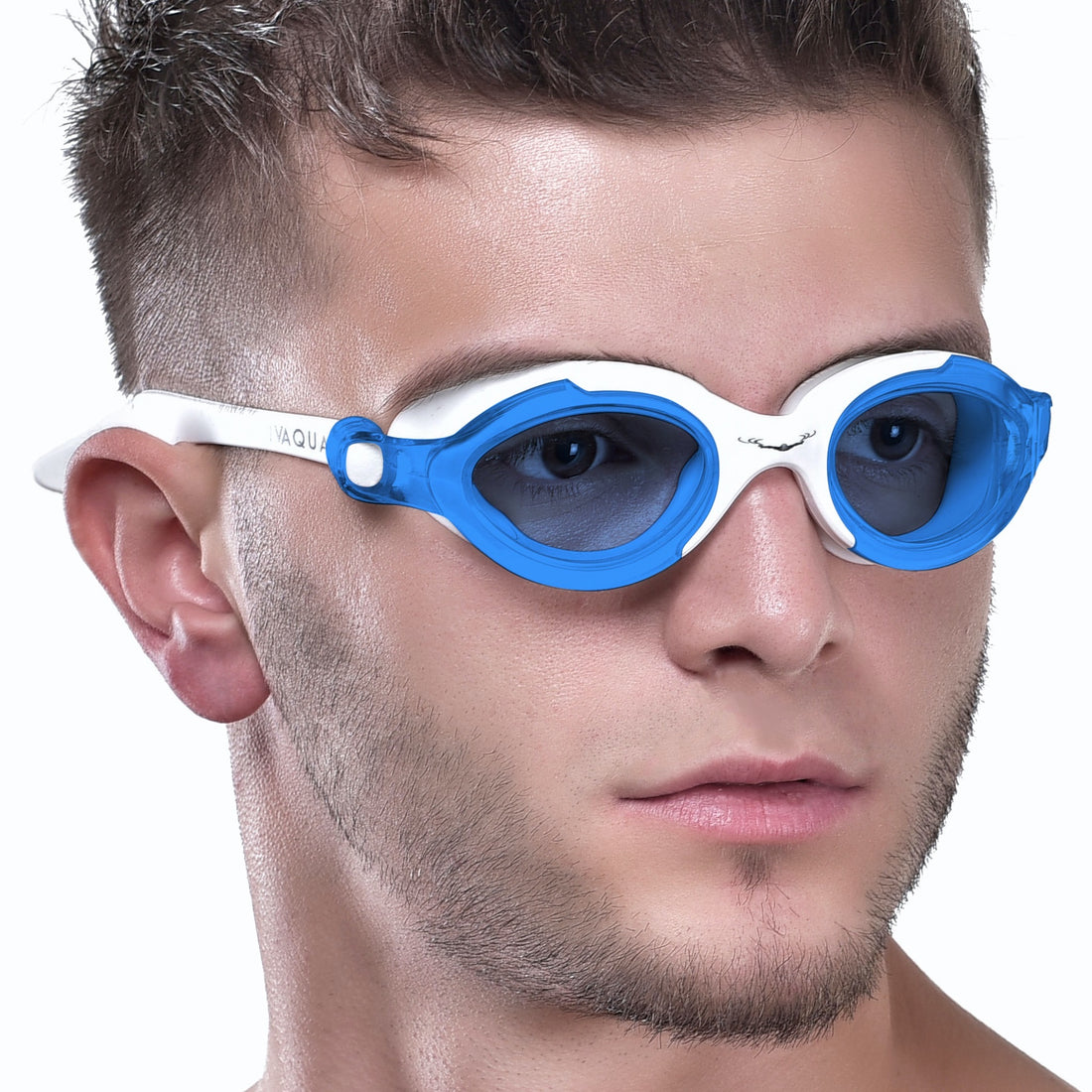
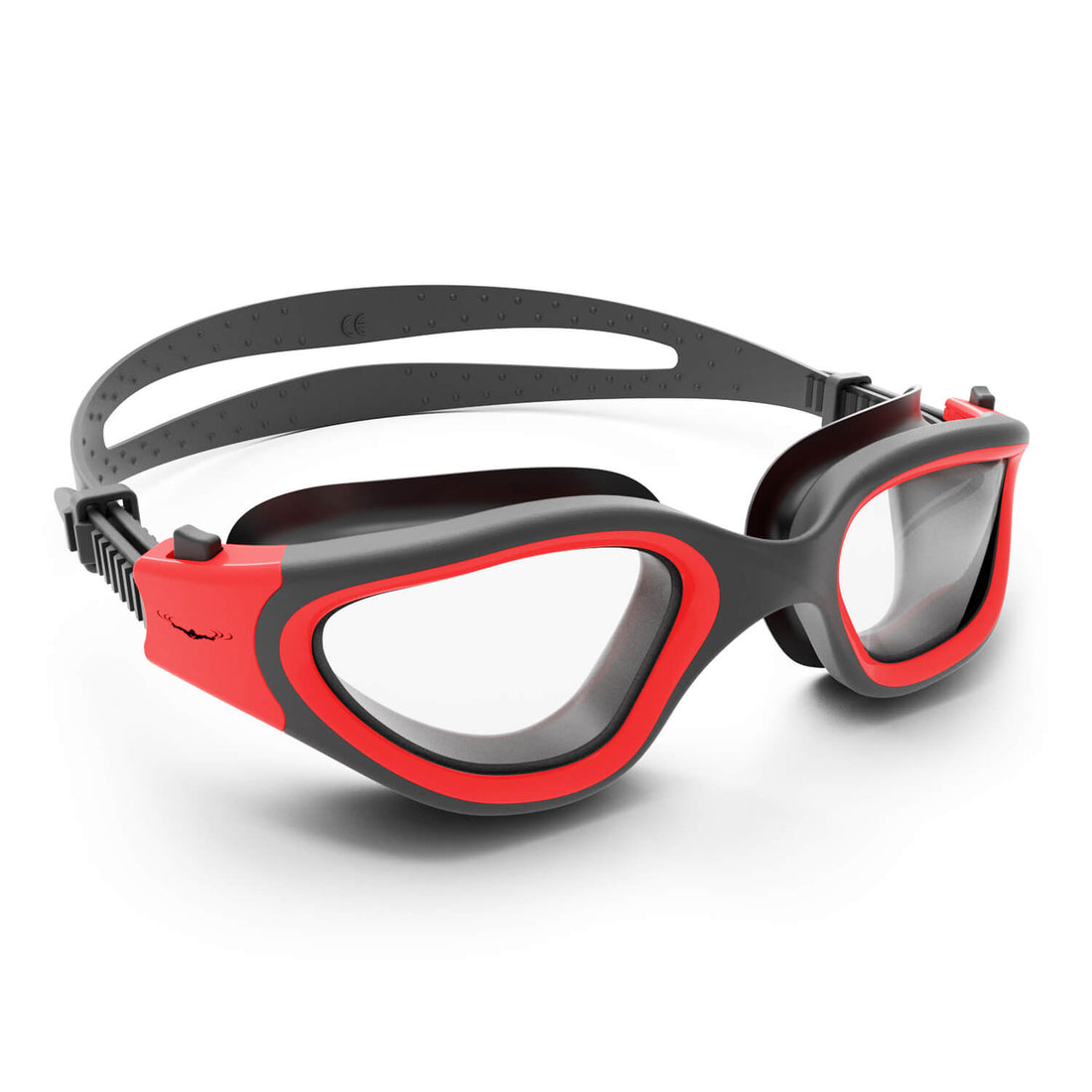
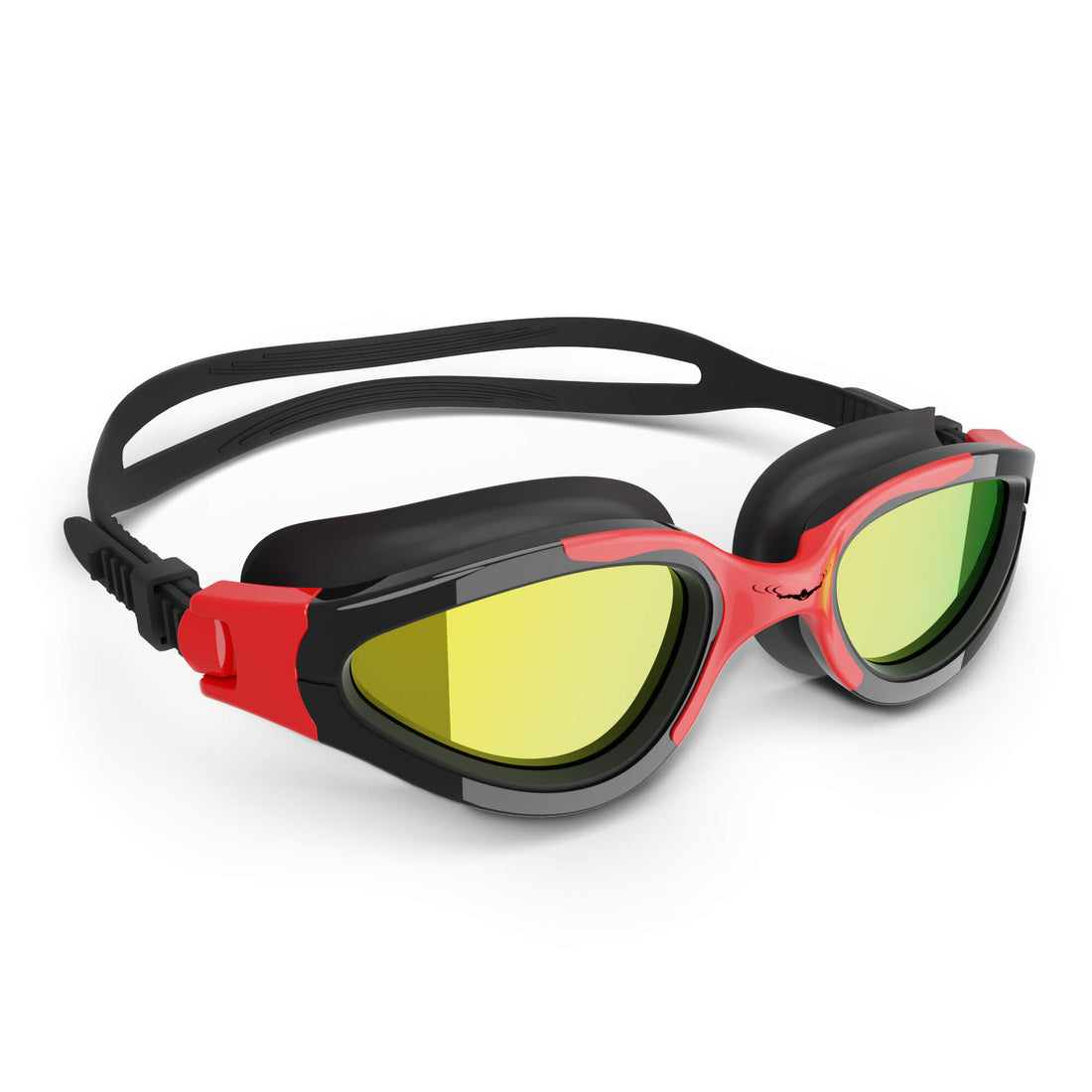
The DX Wide View Swim Goggles feature clear, untinted 180° polycarbonate lenses that provide true-color visibility for both indoor pools and low-light conditions, allowing swimmers to focus on their technique. With advanced anti-fog technology and UV400 protection, these goggles ensure clear vision above and below water. Designed for comfort and stability, they have soft double seals and an adjustable buckle for a secure fit, and are built to last with impact-resistant materials, complemented by a protective case for convenient storage.
View Product