

Overview
This article provides essential safety tips for swimming in open water, highlighting the unique challenges and precautions necessary for a safe experience. Readers will learn how to prepare for their swim by understanding their environment, selecting the right gear, and following safety protocols both before and during their time in the water. By prioritizing safety, swimmers can enjoy the refreshing experience of open water while minimizing risks.
Table of Contents
- Understanding Open Water Swimming
- Know Your Environment
- Gear Up for Safety
- Wear the Right Swim Attire
- Invest in Quality Swimming Goggles
- Safety Precautions Before You Swim
- Swim with a Buddy
- Know Your Limits
- Stay Aware of Your Surroundings
- During Your Swim: Stay Alert
- Stick to Designated Swimming Areas
- Monitor Environmental Changes
- Hydration and Energy
- Post-Swim Safety Tips
- Dry Off and Warm Up
- Listen to Your Body
- Emergency Preparedness
- Know Basic Water Rescue Techniques
- Wear a Personal Flotation Device (PFD)
- Enjoying Open Water Safely
- Stay Connected and Informed
- Bright Days Ahead for Your Swim Adventures!
Key Takeaways
- Research Your Location: Familiarize yourself with the water's depth, temperature, and potential hazards before swimming.
- Wear Appropriate Gear: Use bright or reflective swim attire and quality goggles to enhance visibility and protect your eyes.
- Swim with a Buddy: Always swim with someone else for added safety and support during your swim.
- Stay Aware of Surroundings: Be conscious of boats, jet skis, and other swimmers to avoid accidents.
- Monitor Water Conditions: Be alert to changes in waves and currents, and exit the water if conditions worsen.
- Know Basic Rescue Techniques: Take courses in CPR and first aid to prepare for emergencies.
- Hydrate and Warm Up: Drink water before and after swimming, and change out of wet clothes promptly to prevent hypothermia.
Swimming in open water can be a refreshing and exhilarating experience. Whether you’re splashing around in a lake, navigating the waves at the beach, or swimming in a river, it’s essential to prioritize your safety. To ensure that you have a safe and enjoyable time, here are some essential safety tips for swimming in open water that every swimmer should know.
Understanding Open Water Swimming
Open water swimming presents unique challenges compared to swimming in controlled environments like pools. These challenges include changing water conditions, visibility issues, and the presence of other watercraft. Understanding these differences can help you prepare adequately.
Know Your Environment
- Research the Location: Before you hit the water, take the time to learn about the body of water where you’ll be swimming. Familiarize yourself with its depth, temperature, and any potential hazards.
- Check the Weather: Always check the forecast before swimming. Rain, strong winds, or storms can change water conditions quickly.
- Beware of Currents: Learn about the tides and currents, especially if you’re swimming in the ocean. Know how to identify rip currents and avoid them.
Gear Up for Safety
Your gear can significantly impact your safety in the water. Here are some essential items you should consider before diving in.
Wear the Right Swim Attire
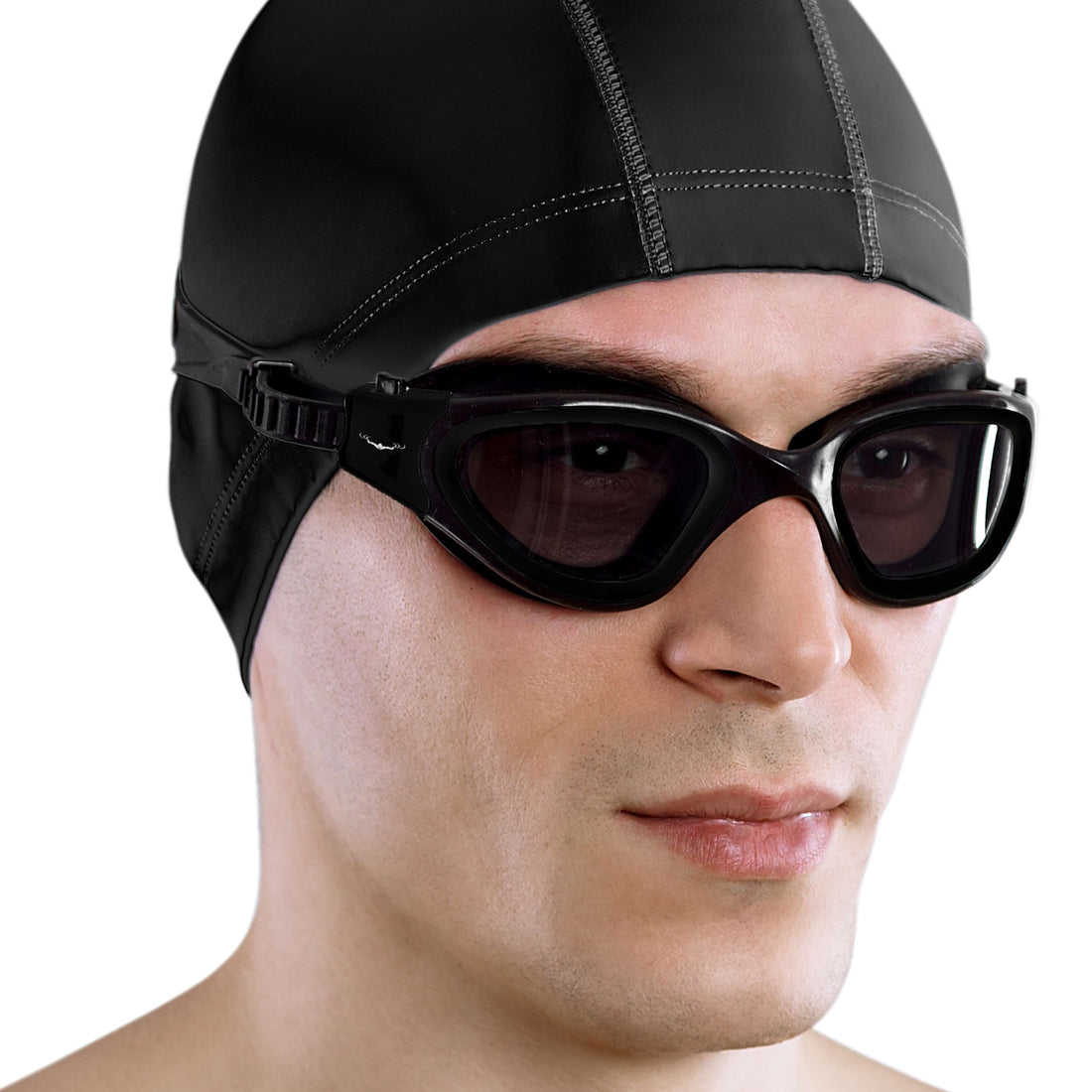
Choosing the right swimming attire is vital in open water. A neoprene ear cover, for example, can protect your ears from cold water and help keep earplugs in place, ensuring you can focus on your swim without worrying about water entering your ear canal. Additionally, wearing bright or reflective swim gear can enhance your visibility, making it easier for others to spot you.
Invest in Quality Swimming Goggles
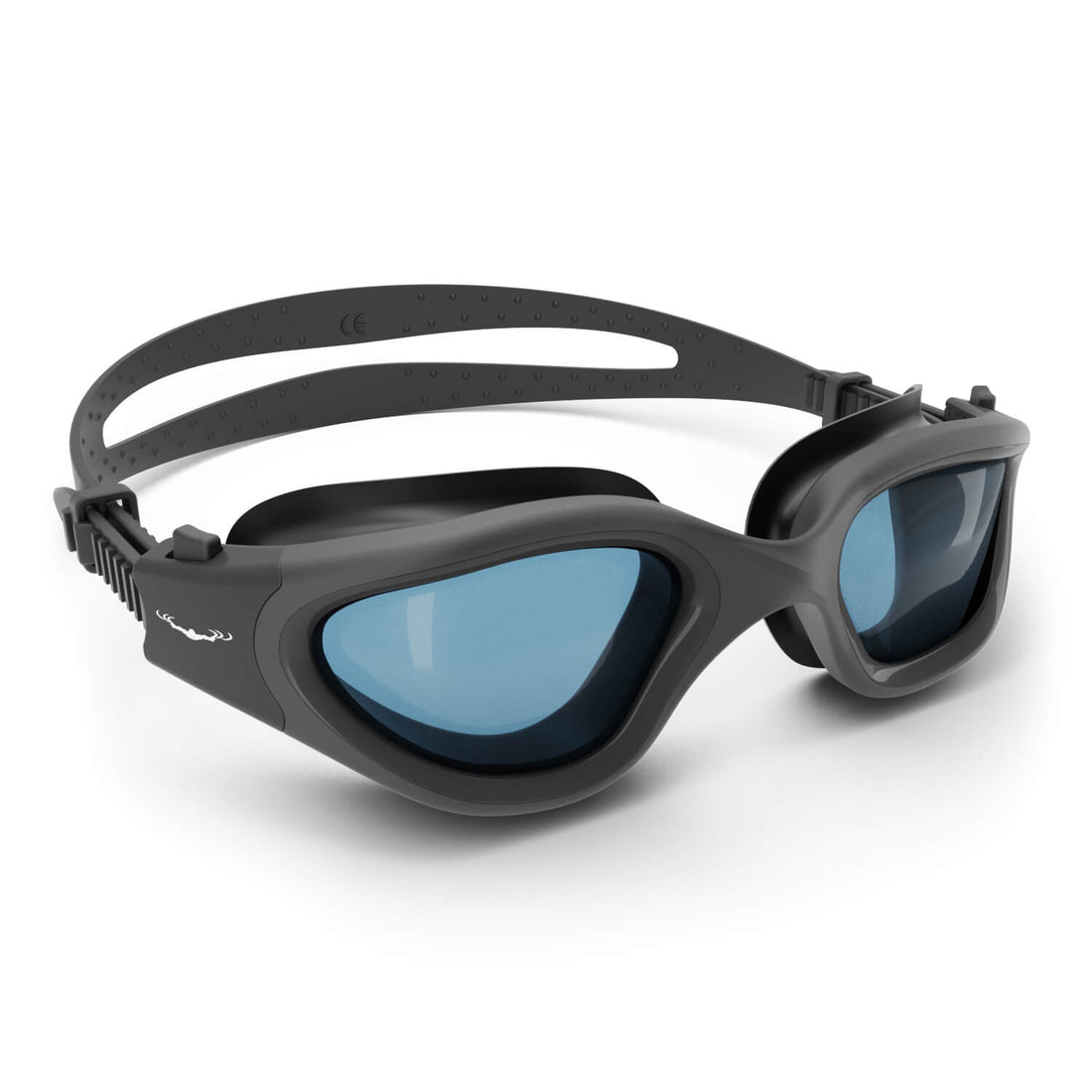
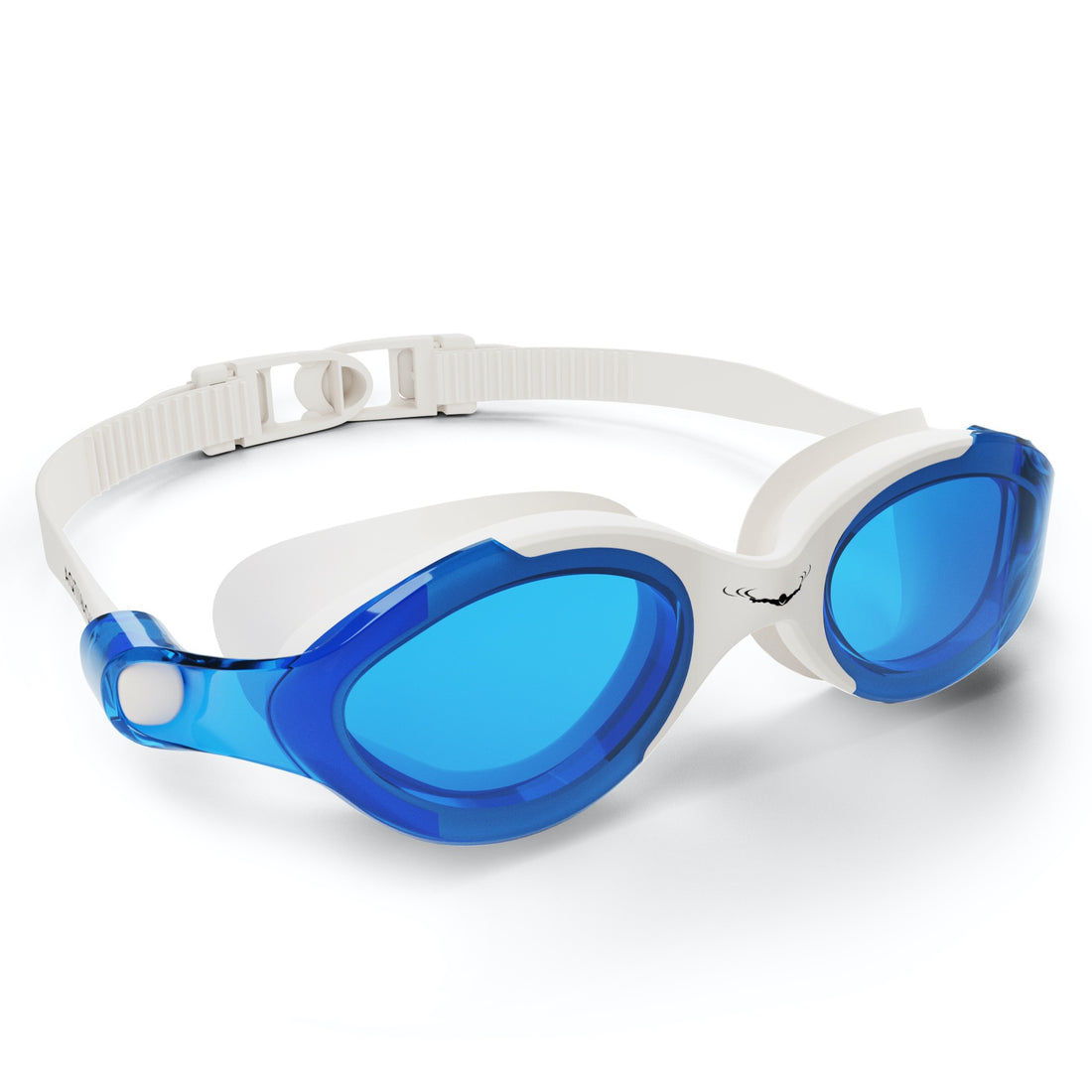
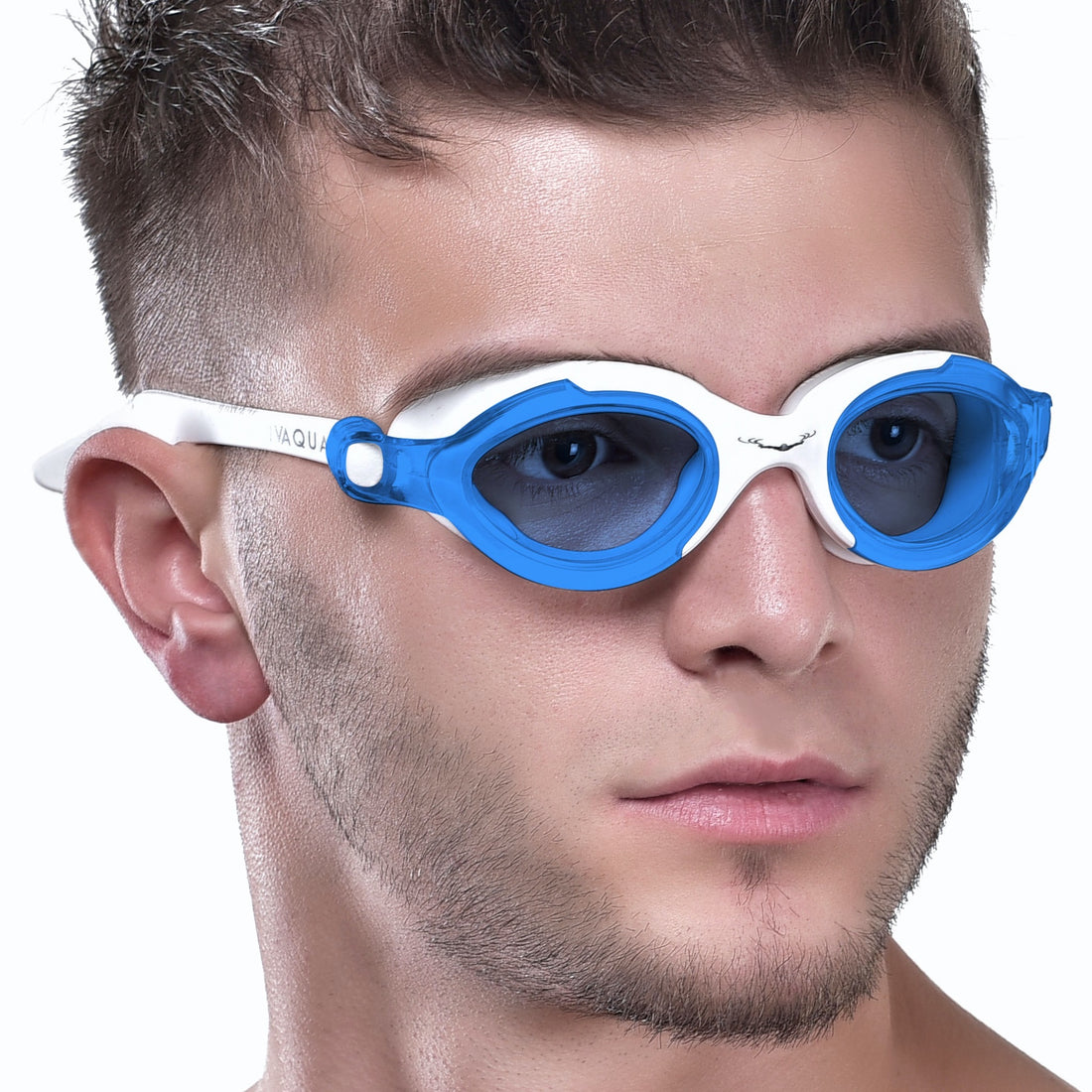
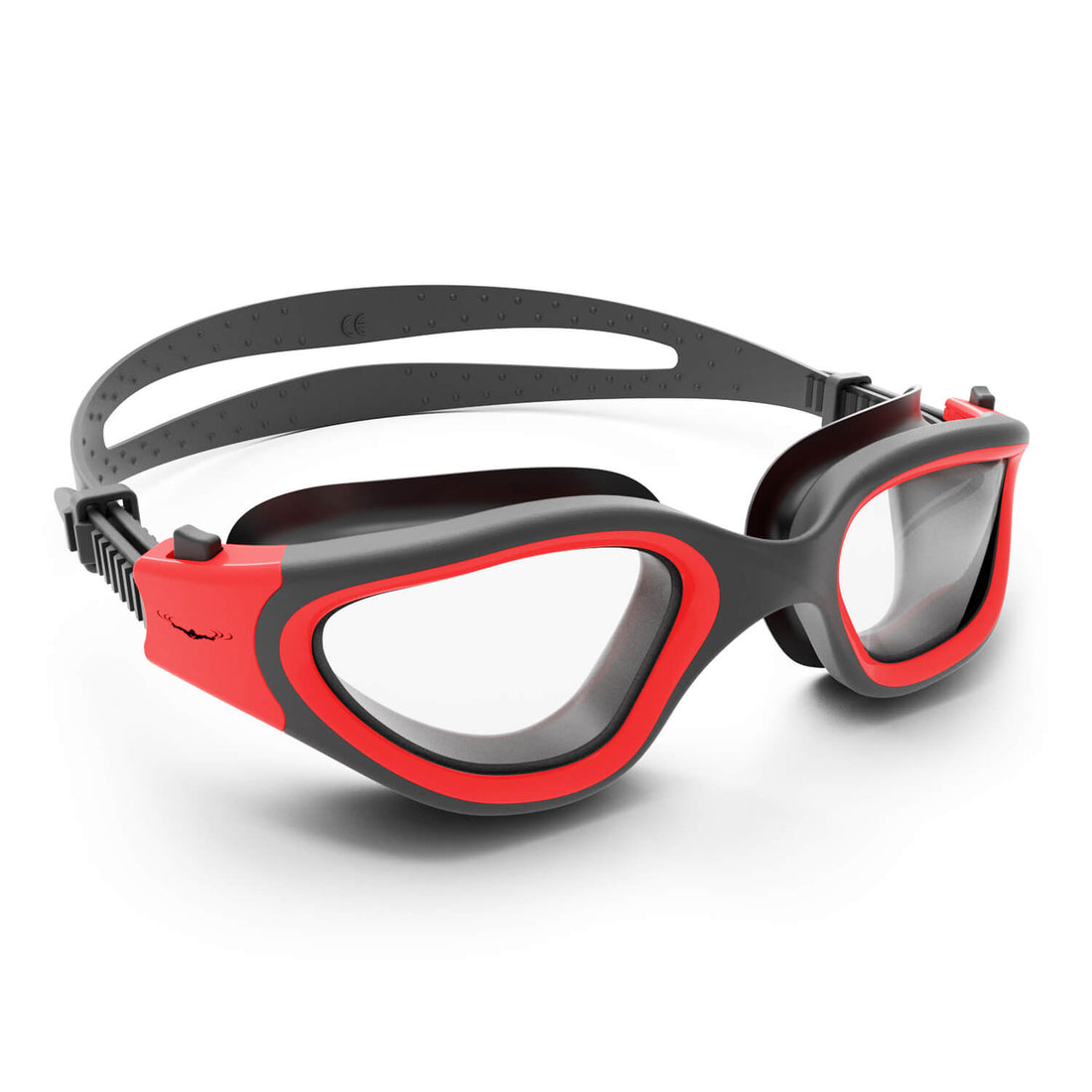
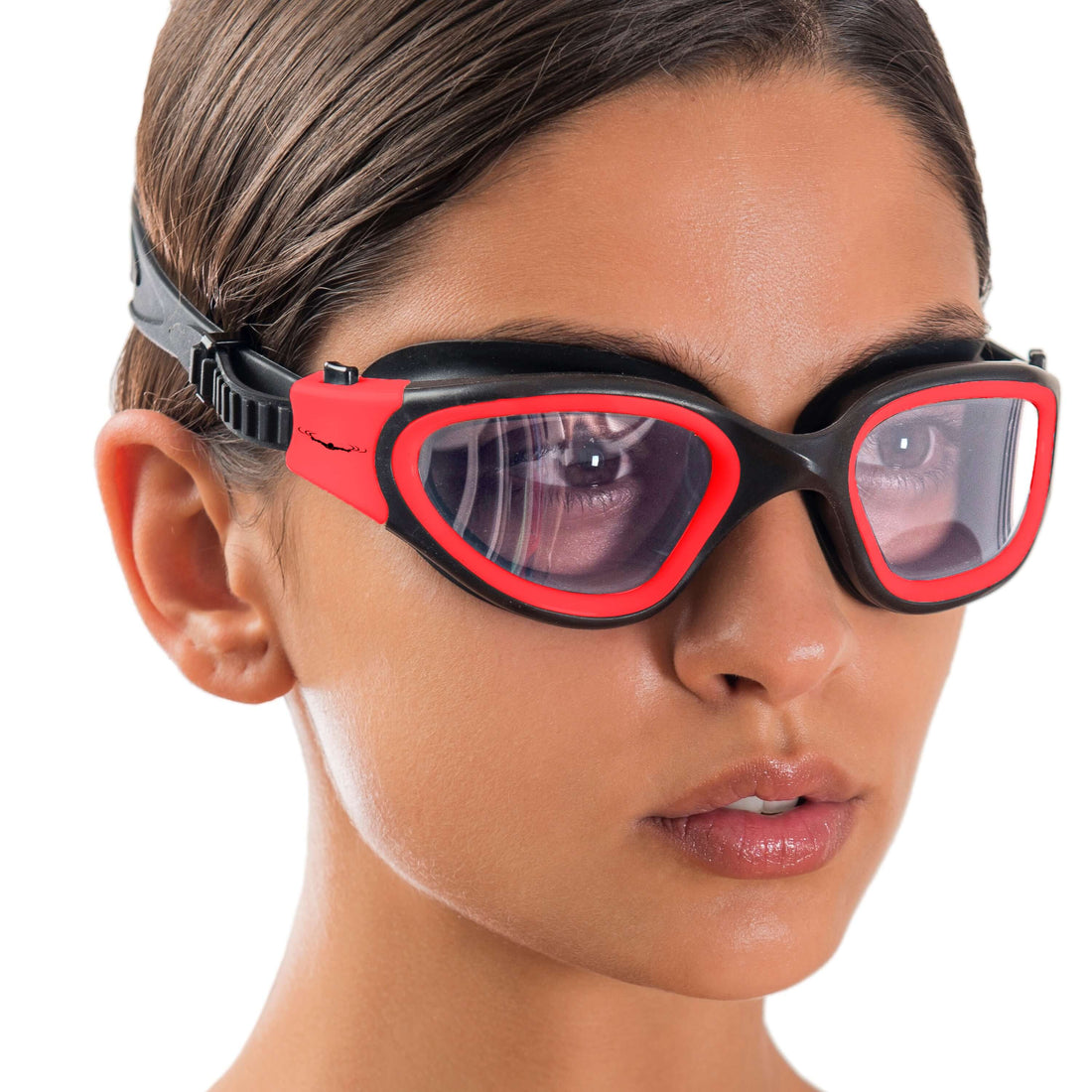
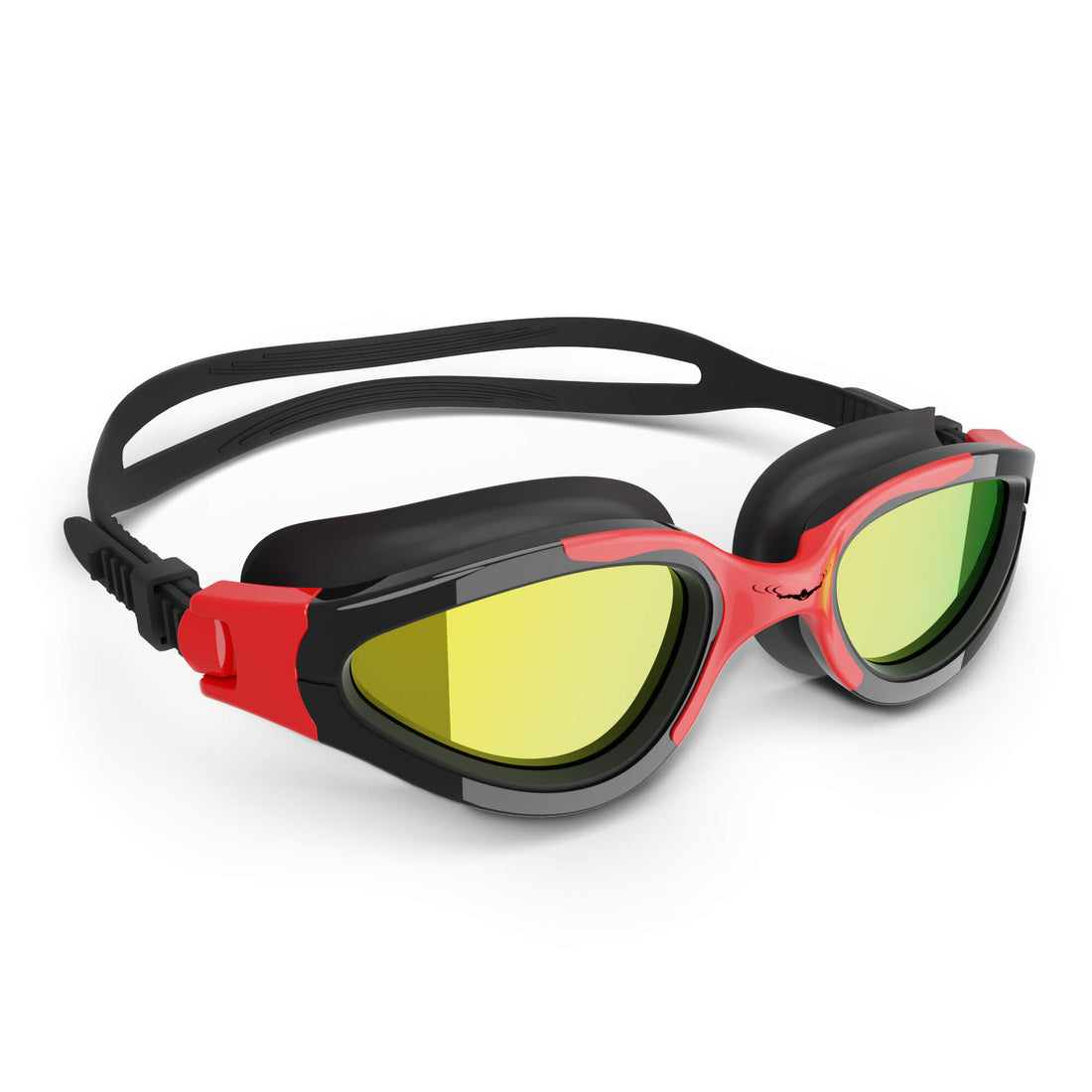
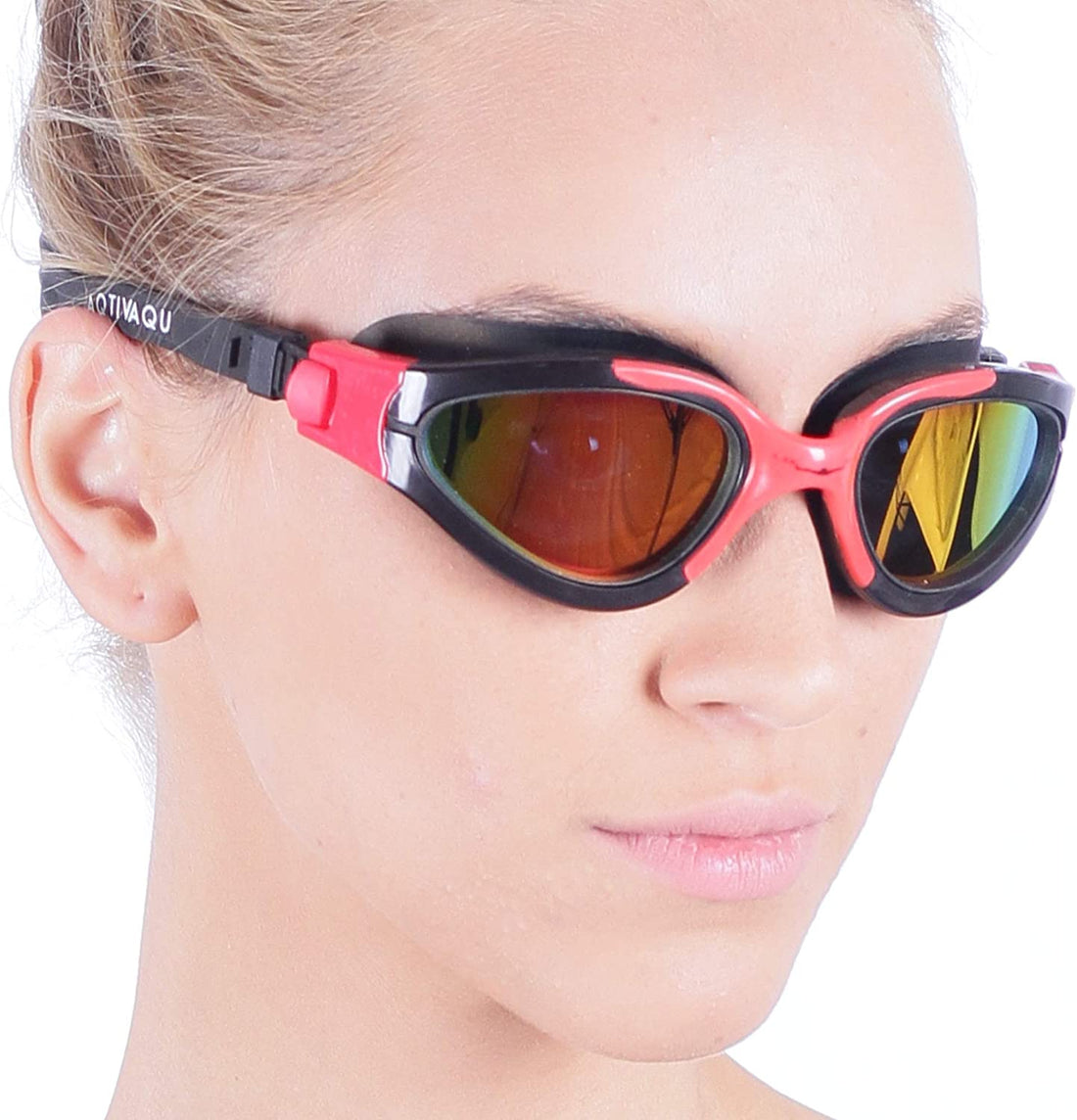
Having a good pair of swimming goggles is essential. They not only provide clear vision underwater but also protect your eyes from potential irritants found in natural waters. Look for goggles that offer a snug fit to prevent them from leaking, which can be crucial for maintaining comfort and visibility.
Safety Precautions Before You Swim
Before you take the plunge, there are several precautions you should take to ensure your safety.
Swim with a Buddy
One of the safest choices you can make is to swim with a friend or in a group. Having someone nearby can be a lifesaver in case of an emergency. Plus, it’s more fun to share the experience with others!
Know Your Limits
Every swimmer has different capabilities. Stay within your comfort zone, and don’t push yourself to swim farther than you're trained for. If you're a beginner, start with shorter distances to build your confidence and skills.
Stay Aware of Your Surroundings
Open water swimming often means sharing the water with boats, jet skis, and other swimmers. Stay aware of your surroundings, and make sure you’re not in the path of any vessels. Always swim in designated areas when possible.
During Your Swim: Stay Alert
Once you’re in the water, maintaining awareness is crucial for your safety.
Stick to Designated Swimming Areas
Swim in areas marked for swimming where lifeguards are present. These zones are typically monitored for safety and can be more secure for swimmers.
Monitor Environmental Changes
Always be on guard for changes in the water conditions. If you notice that the waves are getting bigger or currents are becoming stronger, it’s essential to exit the water. Trust your instincts.
Hydration and Energy
Don’t forget to hydrate before and after your swim. If you’re swimming for more extended periods, consider keeping energy snacks on hand to maintain stamina.
Post-Swim Safety Tips
After your swim, there are a few additional safety measures you should follow to ensure you leave the water in good condition.
Dry Off and Warm Up
As temperatures can drop outside, remember to dry off thoroughly and change out of wet clothes as soon as possible. This can help prevent hypothermia, especially in cooler weather.
Listen to Your Body
If you feel exhausted or experience any discomfort during or after your swim, don't hesitate to seek help. Pay attention to your body’s signals.
Emergency Preparedness
Being prepared for an emergency can make a significant difference. Here are some essential points to consider:
Know Basic Water Rescue Techniques
Understanding basic water rescue techniques can be invaluable. You can take courses on CPR, first aid, or water rescue to enhance your skills. This knowledge can provide a safety net in case of emergencies.
Wear a Personal Flotation Device (PFD)
For those who are not strong swimmers or if you’re venturing into more advanced areas, consider wearing a PFD. It can provide extra security and can be a lifesaver in unexpected situations.
Enjoying Open Water Safely
Open water swimming offers a unique connection to nature like no other. By following these safety tips, you can maximize your enjoyment while minimizing risks. Remember, safety is paramount!
Stay Connected and Informed
Always stay updated on the latest safety guidelines and practices for swimming in open water. Following local regulations and recommendations can help keep you and fellow swimmers safe.
Bright Days Ahead for Your Swim Adventures!
With the right preparation, swimming in open water can be one of the most fulfilling experiences imaginable. By adhering to these safety tips, you'll not only enhance your swimming journey, but you'll also create lasting memories in the great outdoors. So gather your friends, gear up with your neoprene ear cover, put on your swimming goggles, and dive into safety! Here's to happy and safe swimming adventures that keep you refreshed and rejuvenated!
Frequently Asked Questions
1. What are essential safety tips for swimming in open water?
2. Why is it important to know your environment before swimming?
3. What should I wear for open water swimming?
4. What should I do if conditions change while I'm swimming?
5. How can I prepare for emergencies while swimming in open water?
Glossary
| Term | Meaning |
|---|---|
| Open Water Swimming | Swimming in natural bodies of water like lakes, rivers, or oceans. |
| Rip Current | A strong, narrow current that pulls swimmers away from shore. |
| Neoprene Ear Cover | A protective cover for the ears to keep them warm and dry. |
| Swimming Goggles | Eyewear designed to protect eyes and improve visibility underwater. |
| Personal Flotation Device (PFD) | A safety device that helps keep a swimmer afloat. |
| Hydration | Maintaining adequate fluid levels before and after swimming. |
| Emergency Preparedness | Being ready for potential emergencies while swimming. |
| Designated Swimming Areas | Marked zones where swimming is safe and monitored. |
| Weather Conditions | Environmental factors like temperature and wind that affect safety. |
| Swimming Buddy | A friend or companion who swims with you for safety. |
Linked Product

Neoprene Swimming Headband - Swim Ear Band Protection Cover - Hair Guard - Keep Ear Plugs IN
The Neoprene Swimming Headband provides effective ear protection by securely holding earplugs in place, making it ideal for individuals with ear tubes or perforated eardrums. Its quick-dry material keeps ears warm and hair out of the face, while bright colors enhance visibility in both pools and open water. Available in three sizes, this headband is designed to fit everyone from infants to adults, ensuring a comfortable and secure fit.
View Product