

Overview
Swimming is a great way to stay fit and improve speed and efficiency. Key techniques include maintaining a streamlined body position, avoiding cross-over movements, and using effective kicking methods. Breathing techniques, such as bilateral breathing, and focusing on correct stroke mechanics for different swim styles are essential. Utilizing the right gear, like clear swim goggles and swim ear bands, can enhance your performance. Consistent practice and incorporating specific drills will lead to continuous improvement in your swimming abilities.
Frequently Asked Questions
1. What techniques can I use to improve my swimming speed?
2. Why is body position important in swimming?
3. What is bilateral breathing and why should I use it?
4. How can swim gear enhance my performance?
5. What role does consistent practice play in swimming improvement?
Swimming is not only a fantastic way to stay fit, but it also offers a unique sense of freedom and fluidity. However, if you’re looking to boost your speed and efficiency in the water, there are specific techniques you can adopt. In this article, we will explore proven swimming techniques, tips for optimizing your swimming routine, and how the right equipment—such as clear swim goggles and swim ear bands—can enhance your performance.
The Importance of Technique
Many swimmers focus solely on building strength and stamina, but without proper technique, you may be missing the key to becoming a faster and more efficient swimmer. Good technique can help reduce drag, streamline your movements, and ultimately improve your overall speed. Here are some essential techniques that every swimmer should consider.
Body Position in the Water
Streamlining Your Body
A streamlined body position is critical for reducing drag. Here’s how to achieve it:
- Keep your head in line with your spine. Look straight down to avoid lifting your head, which can create resistance.
- Engage your core muscles to maintain a flat, horizontal position.
- Extend your arms forward to create a longer, leaner line through the water.
Avoiding Cross-Over
Crossing your arms over your centerline while swimming can create extra drag. To prevent this:
- Focus on keeping your arm movements wide and in line with your shoulders.
- Practice bilateral breathing to ensure you’re balanced in your stroke and compensating during your breath.
Efficient Kicking Techniques
Your kick plays a significant role in your overall stroke efficiency. Here are some tips to improve your kicking:
Find Your Kick Type
There are different types of kicks—flutter kicks, dolphin kicks, and breaststroke kicks. Although the flutter kick is the most common, it’s essential to find the kick that works best for you while retaining your body’s streamlined position. Focus on:
- From your hips, initiate your kicks rather than your knees.
- Keep your ankles relaxed to create a more fluid motion.
Use Swim Gear Wisely
Incorporating equipment such as swim ear bands can help in maintaining your head position while swimming. This allows for fewer distractions and a better focus on kick technique.
Breathing Techniques to Maximize Speed
Many swimmers struggle with breathing, and the right technique can significantly enhance your efficiency.
Bilateral breathing refers to turning your head to breathe on both sides. This technique helps balance your stroke and reduce cross-over movements. Some benefits include:
- Increased stroke efficiency.
- Enhanced awareness of your surroundings during open water swimming.
Timing Your Breath
It’s important to time your breathing correctly with your strokes. Aim to breathe in quickly while your arm is recovering out of the water, and exhale while your face is in the water. This pattern keeps your rhythm steady and minimizes interruptions.
Improving Your Stroke Technique
Whether you are freestyle swimming or using other strokes, technique is key. Here are some improvements you can implement with each stroke:
Freestyle
Freestyle or front crawl is the fastest stroke. Focus on:
- Pulling with your arms in a high elbow position to maximize efficiency.
- Keeping your fingers slightly cupped to increase propulsion.
Backstroke
Backstroke requires maintaining a steady body position. Key points include:
- Kicking from the hips and not the knees to sustain a streamlined shape.
- Keeping your arms straight as they enter the water, and pulling deeper for a better grip.
Breaststroke
The breaststroke has a slower speed but can be efficient when done right. To improve:
- Coordinate your arm and leg movements for a seamless action.
- Focus on a strong pull during the arm stroke to enhance propulsion.
Butterfly
This stroke can be challenging, but with practice, you can become more efficient. Key techniques include:
- Engage your core to help lift your chest and maintain a wave-like motion.
- Make sure to breathe quickly as your arms come out of the water to keep a steady rhythm.
Utilizing the Right Gear
The right swim gear can also complement these techniques. Here’s how:
Clear Swim Goggles
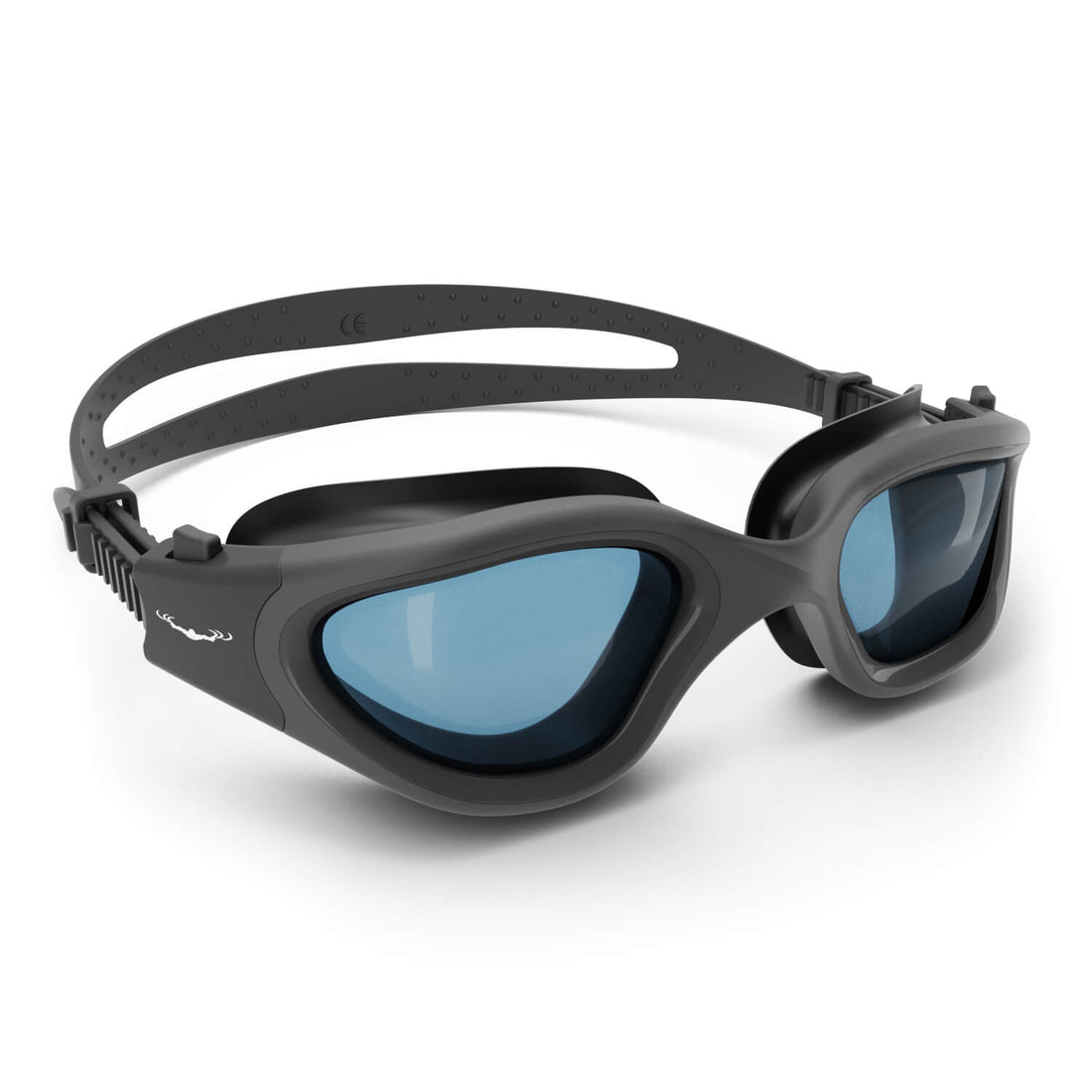
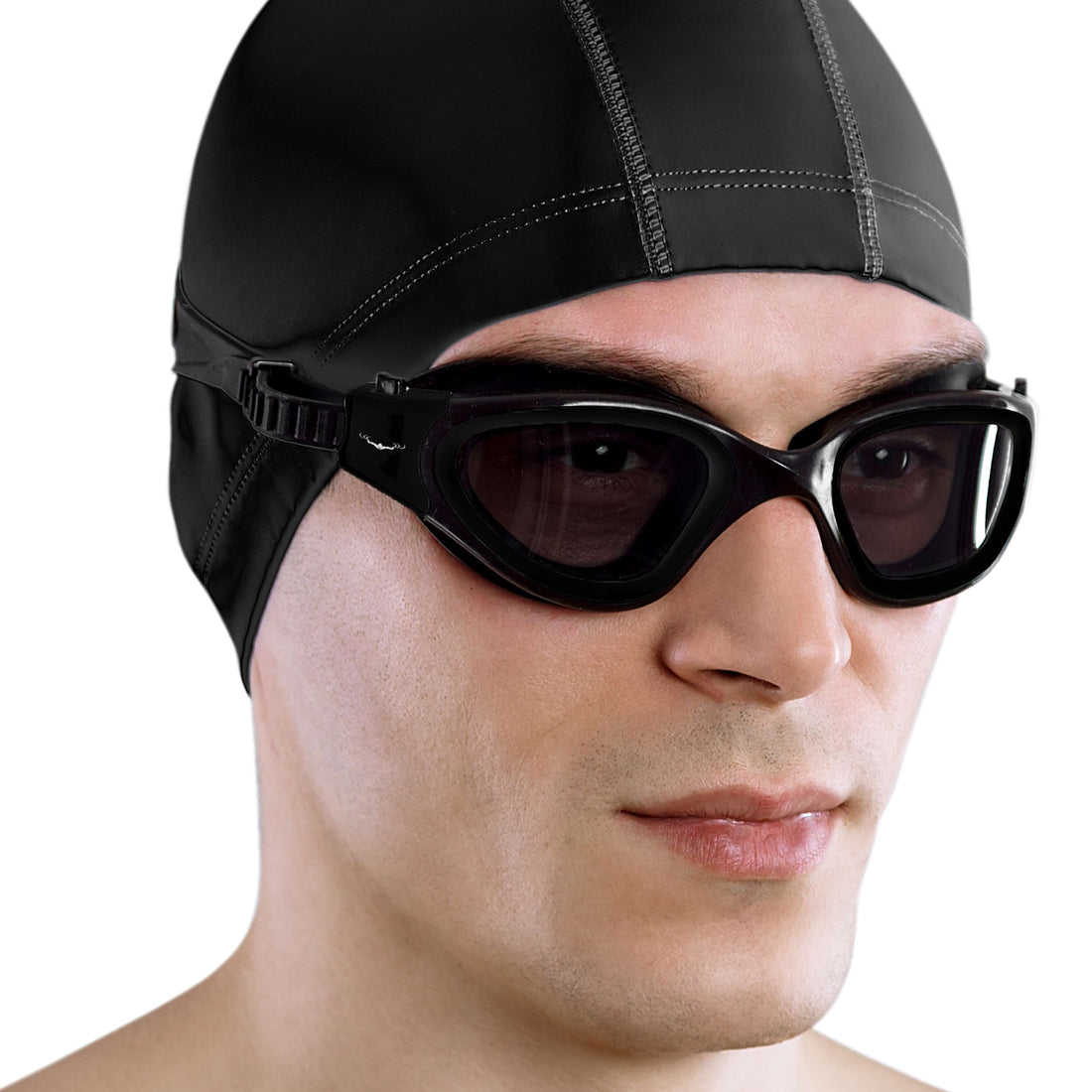
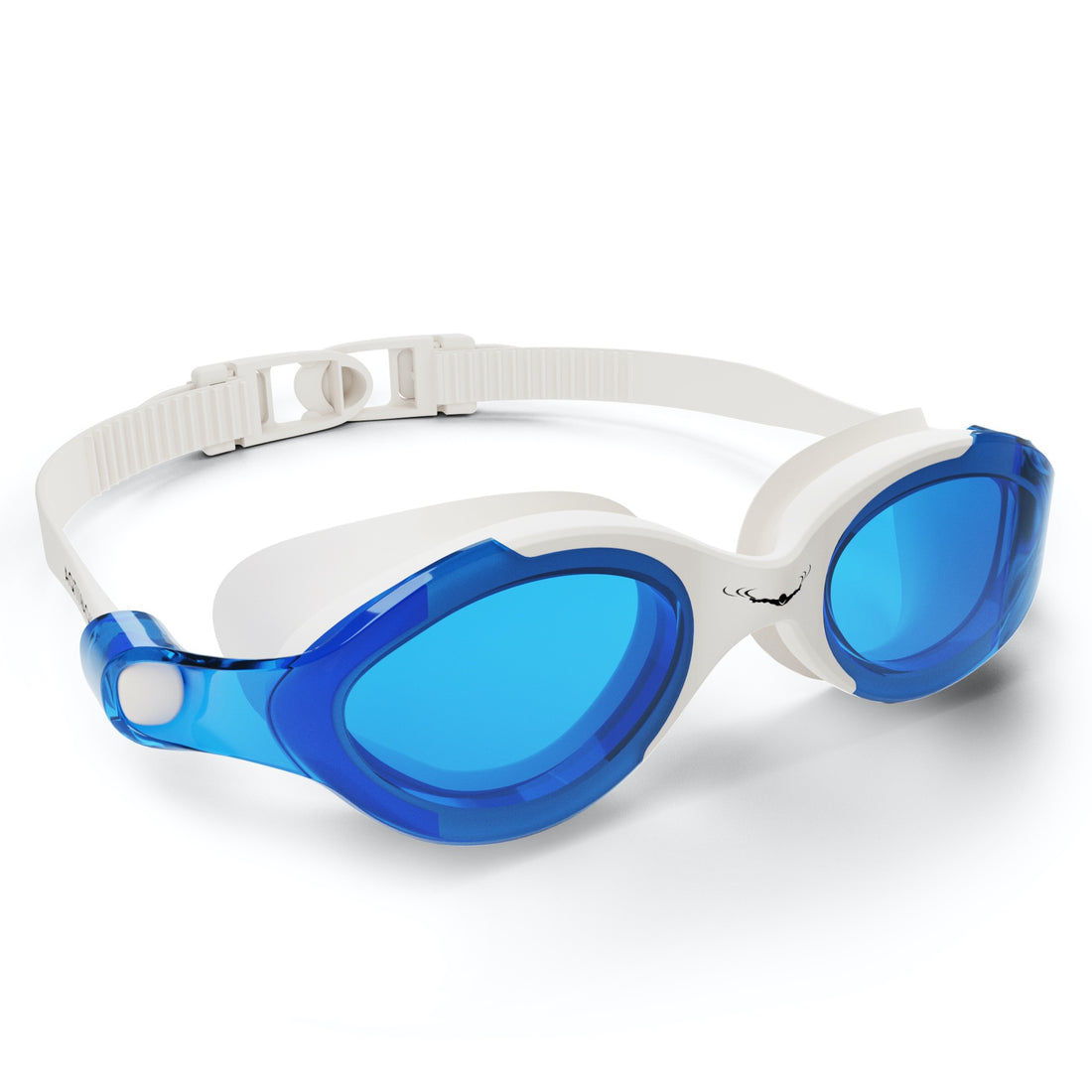
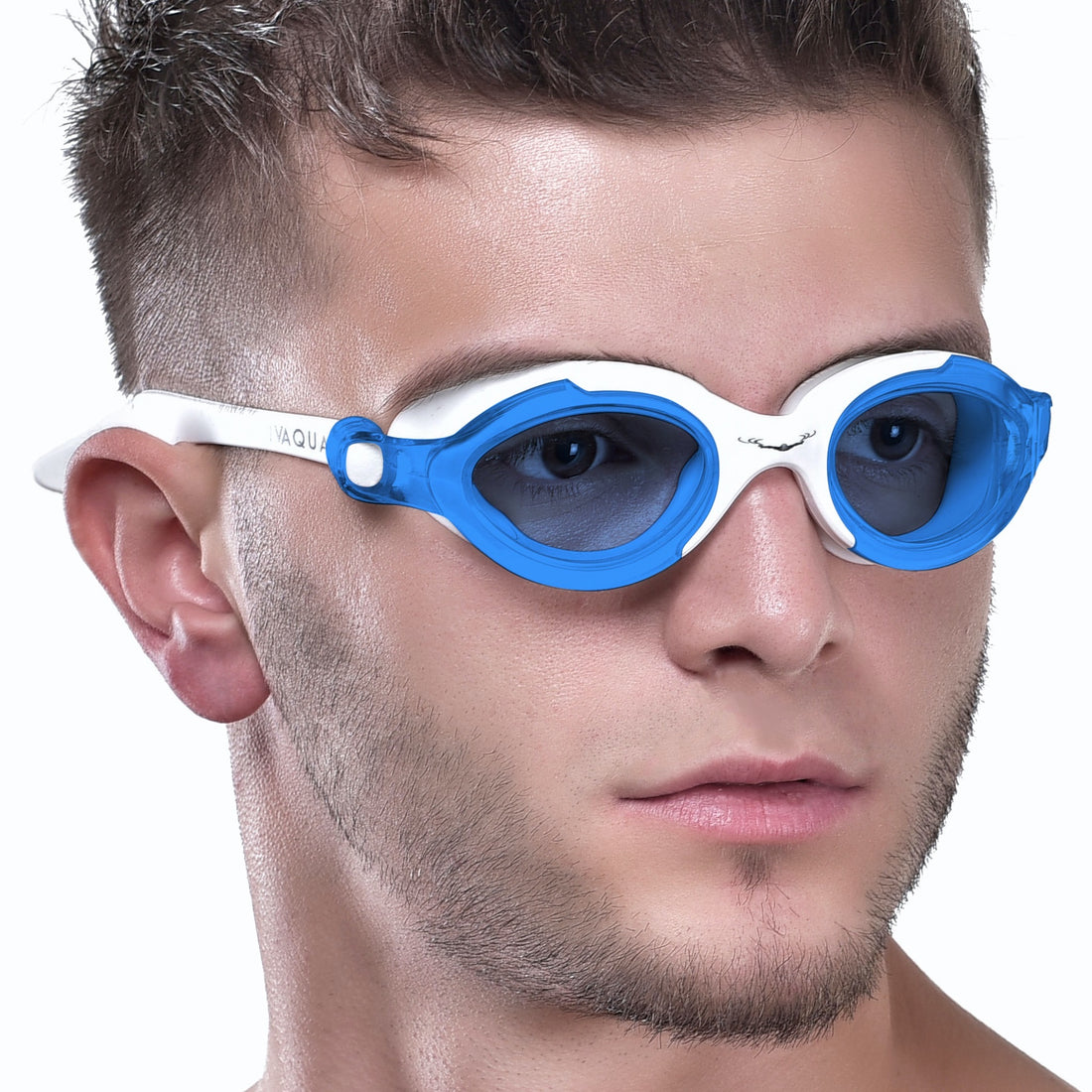
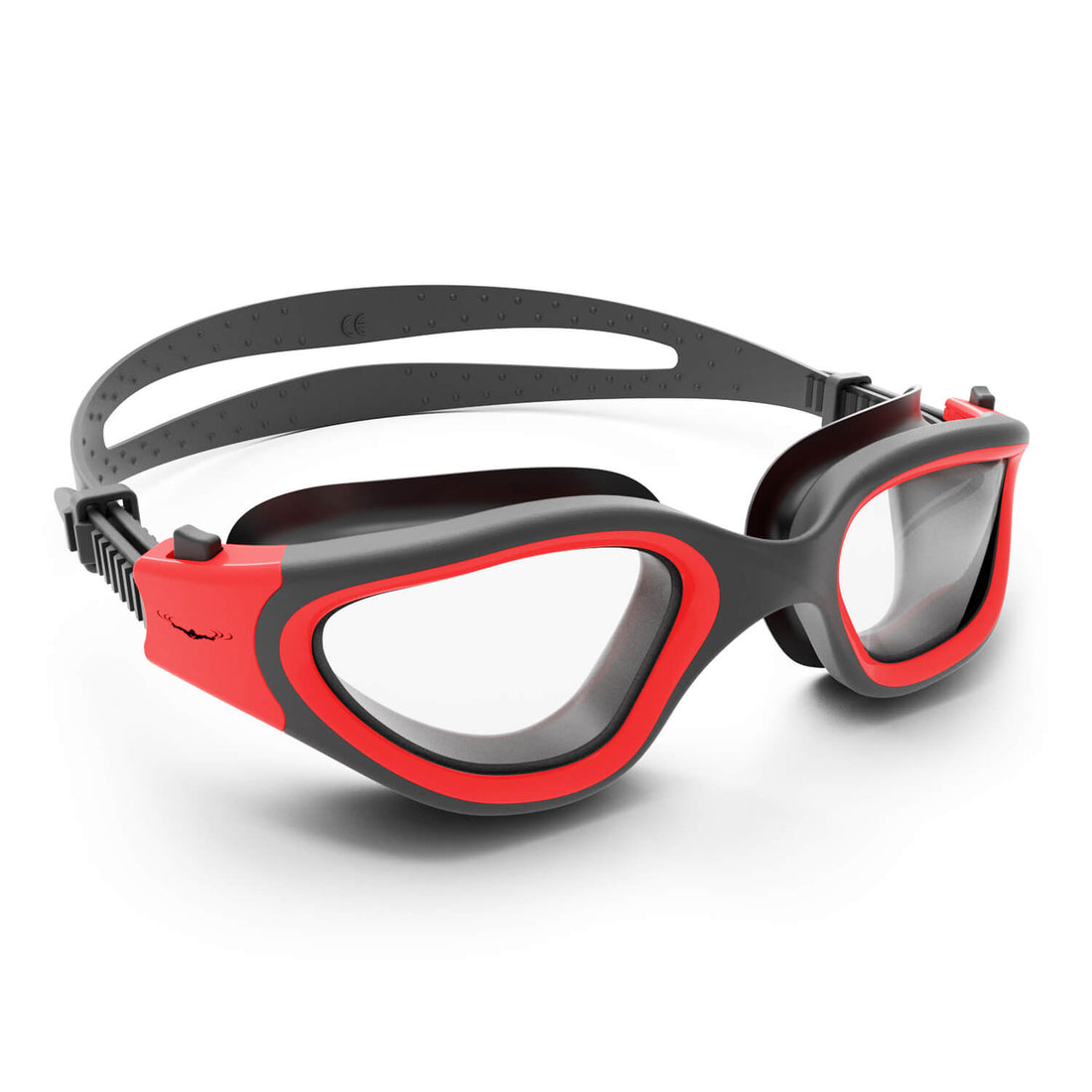
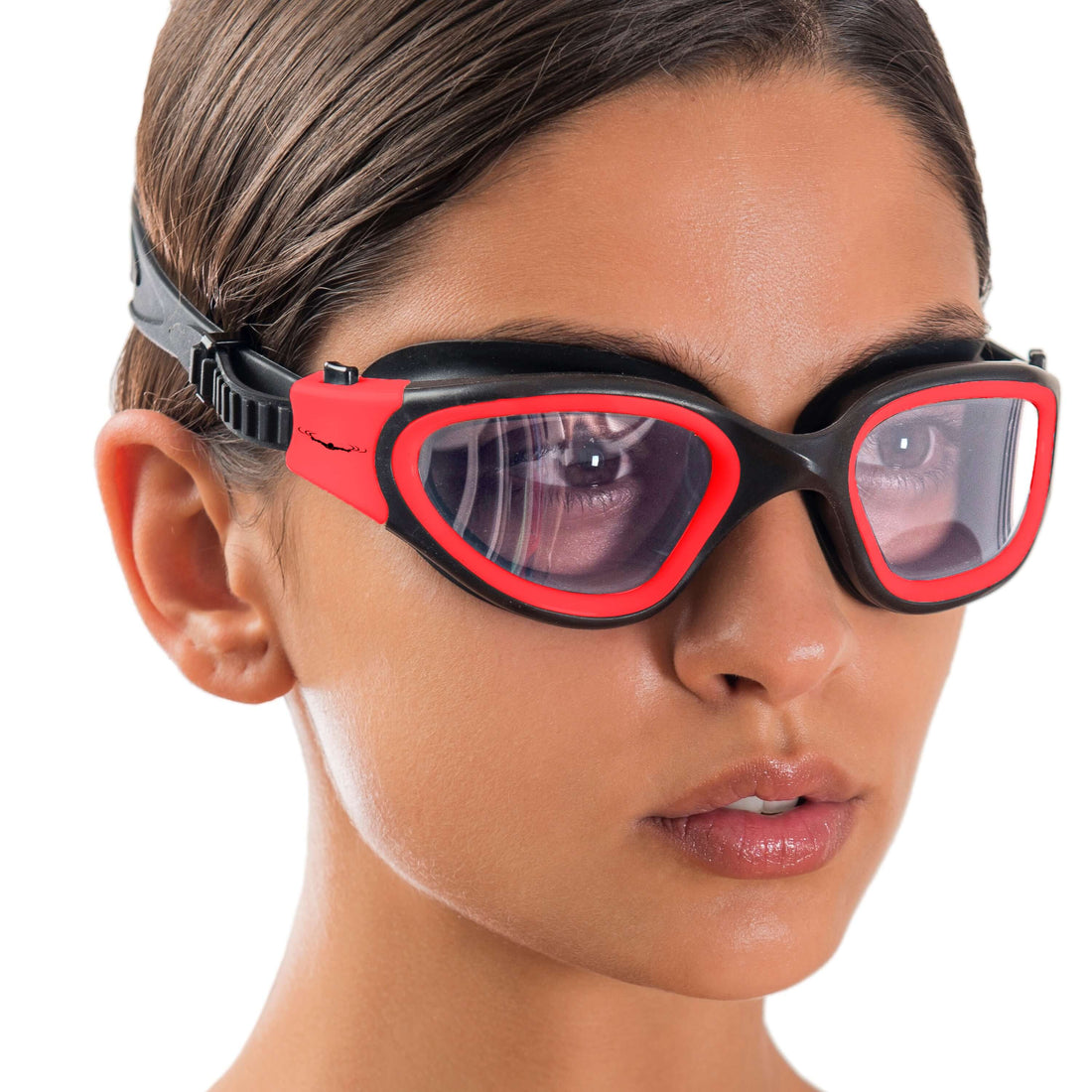
Investing in clear swim goggles is essential for clear vision underwater, allowing you to maintain focus on your technique. They can help:
- Prevent distractions from water clarity while swimming.
- Enhance your comfort level, allowing you to concentrate on your speed and efficiency.
Swim Ear Bands
Using swim ear bands can help keep water out of your ears, which can be distracting. By minimizing these distractions, you focus more on your stroke and breathing techniques:
- They fit comfortably and ensure you maintain a streamlined body while swimming.
- Using swim ear bands helps to harmonize your breathing and stroke movements.
The Power of Consistent Practice
Just like any sport, the key to mastering swimming techniques lies in constant practice. To become more efficient and faster in the water:
Incorporate Drills into Your Routine
Adding specific swimming drills focused on improving your technique can yield significant benefits. Incorporate drills such as:
- Single-arm drills to focus on arm movement while the other arm rests.
- Kicking drills with a kickboard to focus solely on your kicking technique.
Recording Your Practice
Video yourself while swimming to analyze your technique. Watching your strokes can help identify areas for improvement, promoting faster progress.
Aiming for Improvement
Ultimately, swimming is about continuous improvement. Regularly assess your performance and focus on incorporating these techniques consistently. Small adjustments can lead to faster and more efficient swimming.
Unlock Your Swimming Potential
Your journey to becoming a faster and more efficient swimmer is within reach. By adopting the right techniques, focusing on body position, mastering your kicks and strokes, and utilizing beneficial gear like clear swim goggles and swim ear bands, you can greatly enhance your swimming experience. Remember, the water is waiting for you—so dive in, put these strategies into practice, and watch your swimming skills flourish!
Linked Product

DX Wide View Swim Goggles + SHOCK Protective Case
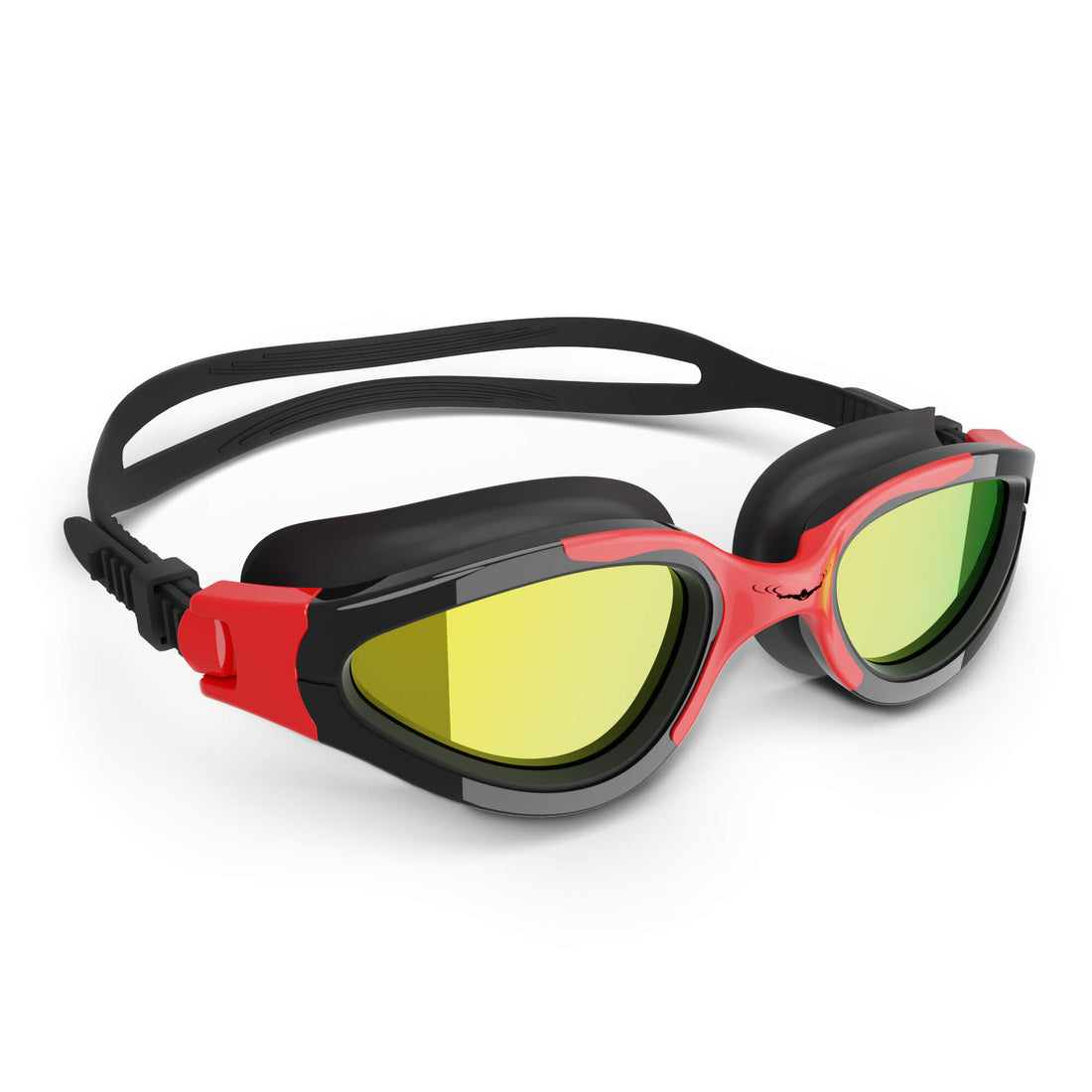
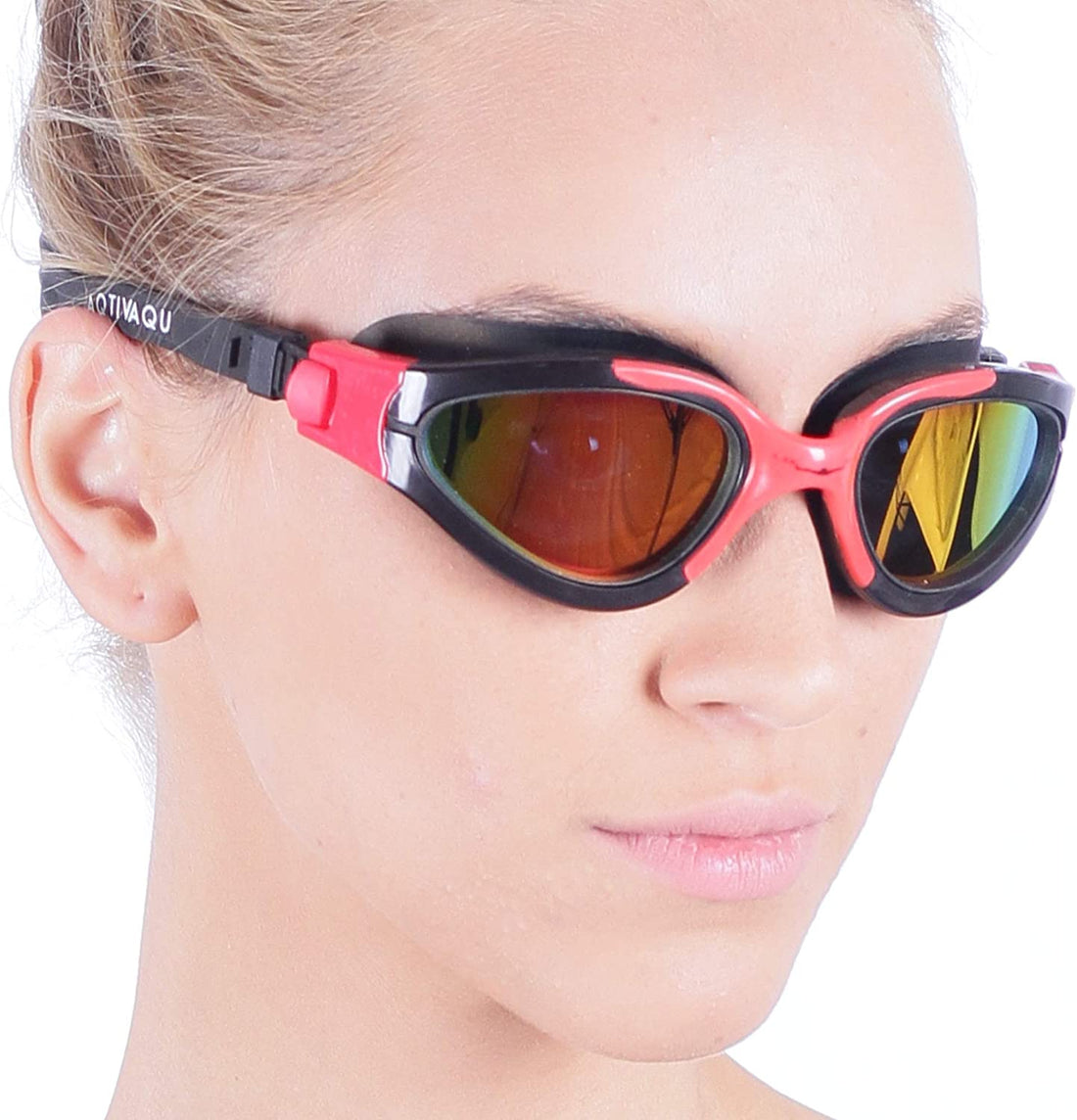
The DX Wide View Swim Goggles feature 180° polycarbonate lenses that provide clear visibility in various lighting conditions, allowing swimmers to focus on their technique. With advanced anti-fog technology and a secure, comfortable fit, these goggles are designed for extended use without distractions. Additionally, the included SHOCK protective case ensures that your goggles remain safe and dry between swims.
View Product