

Overview
This article highlights the crucial role of swimming in cross-training for athletes, emphasizing its benefits in enhancing strength, flexibility, and endurance. Readers will learn how to effectively integrate swimming into their training regimens, understand its physiological advantages, and discover practical tips for maximizing performance across various sports. By the end, athletes will be equipped to use swimming as a powerful tool for improving their overall athletic capabilities.
Table of Contents
- Unlocking the Physiological Benefits of Swimming
- Low-Impact Exercise
- Improved Cardiovascular Strength
- Increased Flexibility and Range of Motion
- Muscle Development Across Different Sports
- Core Stability and Strength
- Upper Body and Lower Body Coordination
- Integrating Swimming into Your Training Regimen
- Setting Clear Goals
- Creating a Balanced Schedule
- Focus on Technique
- Swimming Gear Essentials for Cross-Training
- Addressing Common Concerns About Swimming
- Will Swimming Make Me Slow?
- Do I Need to be a Good Swimmer?
- Finding Swimming Workouts That Fit Your Needs
- Endurance Swim Sets
- Interval Training
- Drill Workouts
- Swimming: The Ultimate Recovery Tool
- Making Swimming Part of Your Lifestyle
- Leap into Your Best Athletic Self!
Key Takeaways
- Low-Impact Exercise: Swimming provides a joint-friendly workout, making it an ideal recovery method for athletes in high-impact sports.
- Improved Cardiovascular Strength: Regular swimming sessions enhance cardiovascular endurance, crucial for peak athletic performance.
- Increased Flexibility: Swimming promotes improved joint mobility, benefiting athletes in flexibility-demanding sports.
- Core Stability: Engaging core muscles during swimming enhances overall stability and balance, important for various sports.
- Upper and Lower Body Coordination: Swimming improves body coordination, which translates effectively into sports requiring timing and synchronization.
- Structured Training: Incorporate swimming 2-3 times a week with clear goals to complement your primary sport training.
- Recovery Benefits: Gentle swims aid in muscle recovery by increasing circulation and reducing soreness after intense workouts.
When it comes to enhancing athletic performance, cross-training plays a vital role in building strength, improving flexibility, and increasing overall endurance. Among various forms of cross-training, swimming stands out as a versatile option that offers numerous benefits for athletes in different sports. In this article, we’ll explore the significance of swimming in cross-training and how it can enhance your performance, regardless of your primary sport. From understanding the physiological benefits to practical tips on integrating swimming into your training regimen, this guide will be your ultimate resource.
Unlocking the Physiological Benefits of Swimming
Swimming is a total body workout that engages multiple muscles whilst providing low-impact resistance. Here’s why this makes swimming an invaluable element of any athletic training program:
Low-Impact Exercise
One of the main advantages of swimming is its low-impact nature. For athletes engaged in high-impact sports such as running or football, swimming offers a reprieve from the wear and tear on joints. The buoyancy of water reduces strain while still providing an effective workout. This makes swimming an ideal recovery activity that allows the body to maintain fitness without risking injury.
Improved Cardiovascular Strength
Swimming is predominantly an aerobic exercise, which means it effectively boosts your cardiovascular endurance. As an athlete, having a strong cardiovascular system is critical for peak performance. Regular swimming sessions can enhance your oxygen uptake and improve your heart efficiency, both of which significantly contribute to athletic stamina across various sports.
Increased Flexibility and Range of Motion
The movements required in swimming help to enhance flexibility. With a full range of motion in the arms, legs, and core engaged, swimmers naturally experience improved joint mobility. For athletes in sports that require extensive flexibility, such as gymnastics or dance, incorporating swimming can be particularly beneficial.
Muscle Development Across Different Sports
One of the unique aspects of swimming is that it works for various muscle groups simultaneously. The resistance of water is greater than that of air, meaning your muscles must exert more effort to move through water. This creates an excellent opportunity for muscle growth and toning, which can enhance overall athletic performance.
Core Stability and Strength
A strong core is essential for nearly every sport. Swimming involves consistent engagement of the abdominal and back muscles, enhancing core strength and stability. The core plays a crucial role in maintaining balance and proper posture, making swimming an excellent training tool for athletes in sports like tennis, golf, or soccer.
Upper Body and Lower Body Coordination
Swimming requires coordinated movements involving both the upper and lower body. This simultaneous engagement helps improve overall body coordination, timing, and synchronization, which are critical in sports such as basketball and rugby. As athletes develop better coordination through swimming, they can translate these skills effectively into their primary sport.
Integrating Swimming into Your Training Regimen
Now that we’ve explored the myriad benefits of swimming in cross-training, let’s dive into practical ways to incorporate swimming into your athletic routine.
Setting Clear Goals
Before you plunge into swimming, establish specific goals tailored to your primary sport. Whether you aim to improve endurance, enhance recovery, or build strength, having clear objectives will guide your swimming sessions and measure your progress.
Creating a Balanced Schedule
While swimming can be a training asset, it is essential to maintain a balanced training schedule. Consider integrating swimming workouts 2 to 3 times a week alongside your regular training routines. Make sure to adjust the intensity and duration to prevent fatigue and overtraining.
Focus on Technique
Skillful swimming relies heavily on technique. Adopting proper swimming form can prevent injury and enhance effectiveness. Here are some tips for improving your swimming technique:
- Work with a coach if possible to receive feedback.
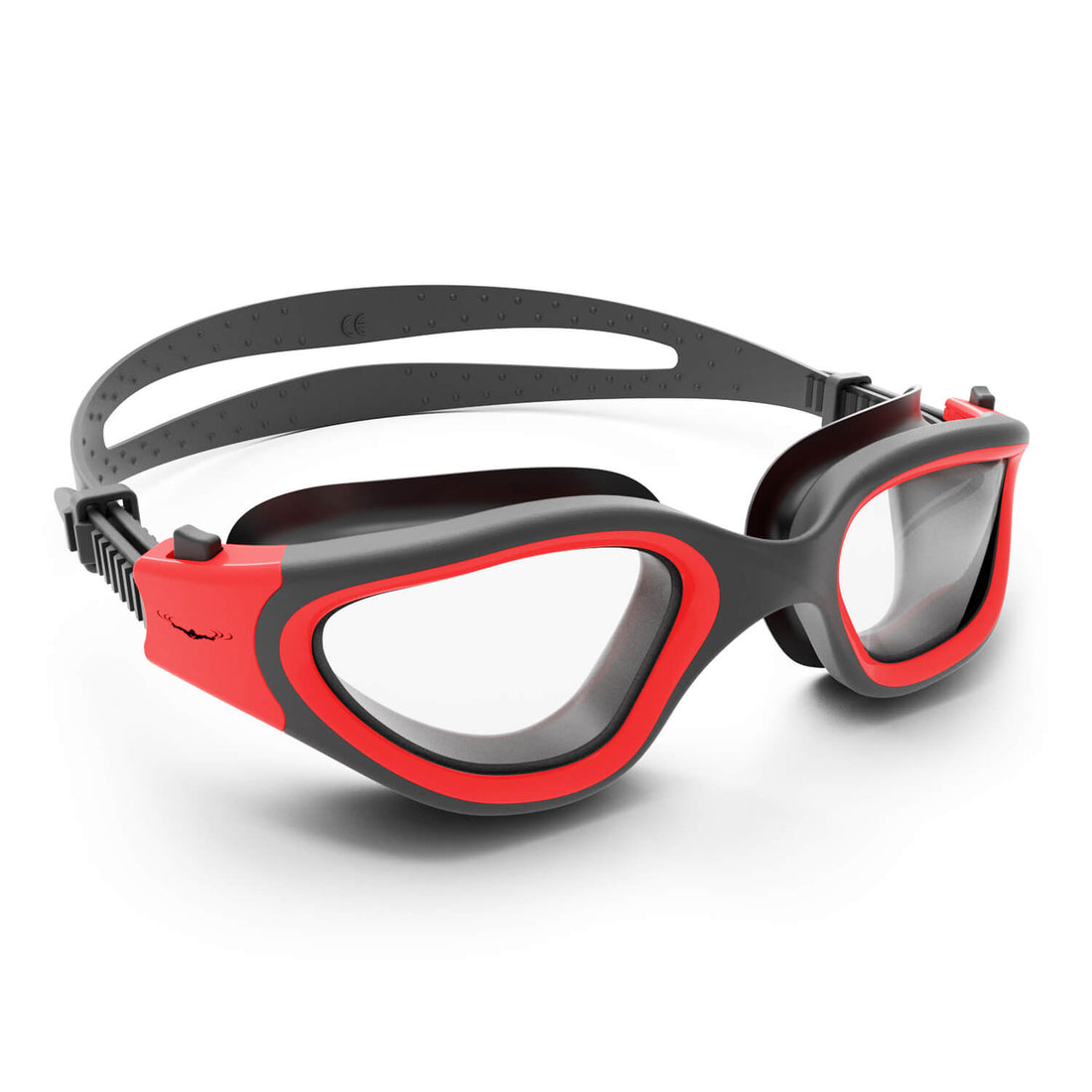
- Prioritize using anti-fog swim goggles to maintain clear vision underwater.
- Consistently practice different strokes, including freestyle, butterfly, and breaststroke.
- Incorporate drills focused on breathing and timing to improve efficiency.
Swimming Gear Essentials for Cross-Training
Having the right swimming gear can enhance your training experience. Here’s a quick checklist of items that can help maximize your swimming workouts:
- Swim Caps: Keeping your hair out of your face and reducing drag in the water.
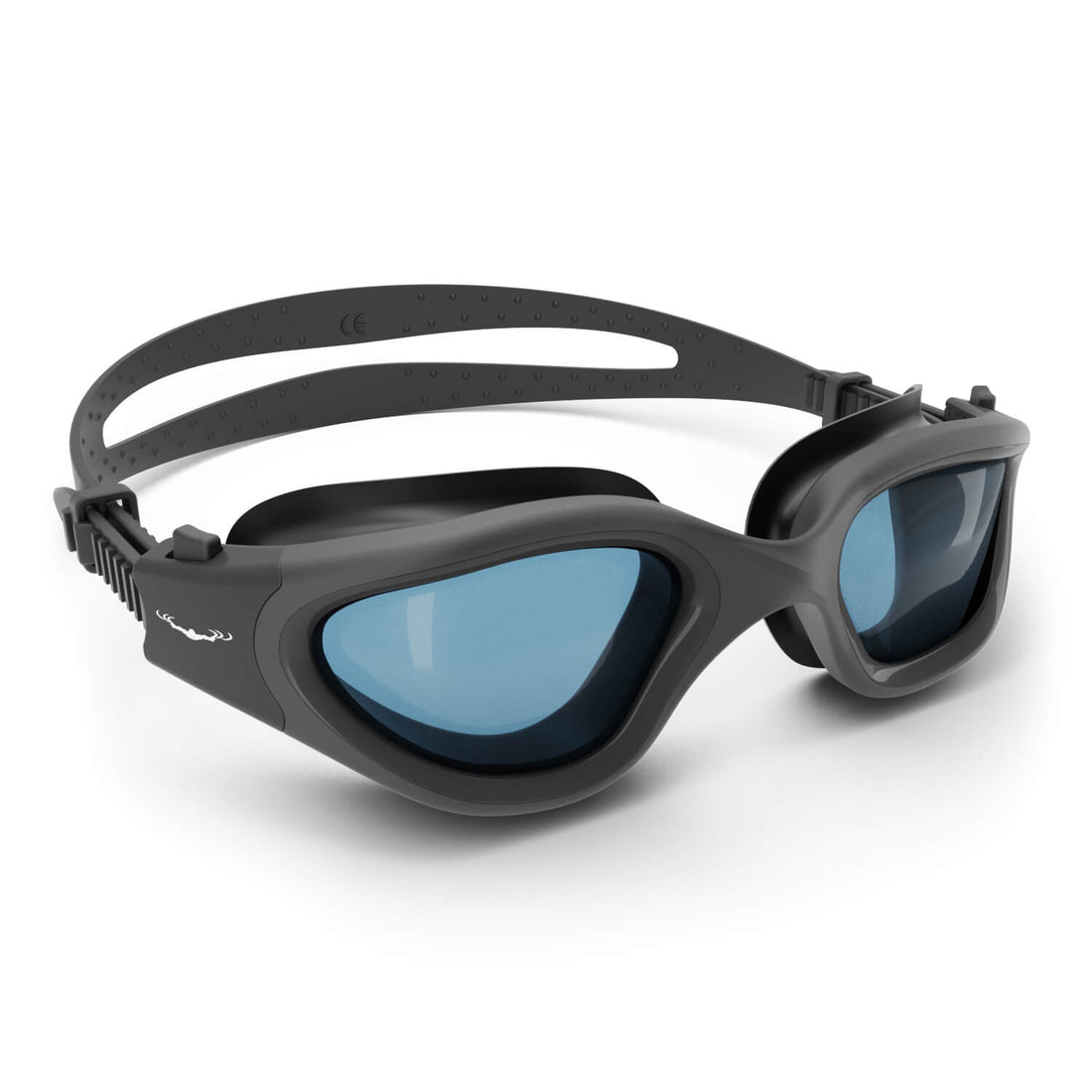
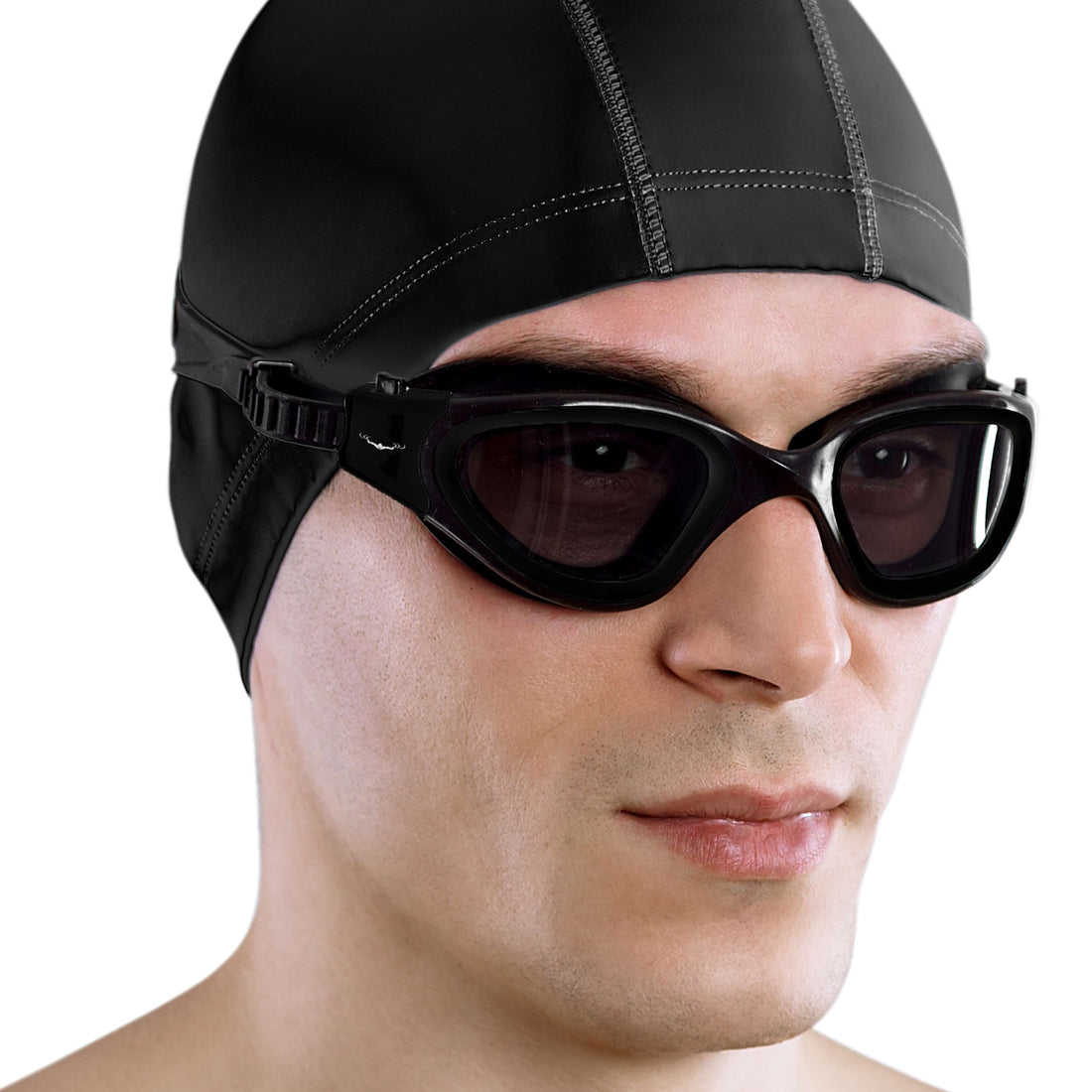
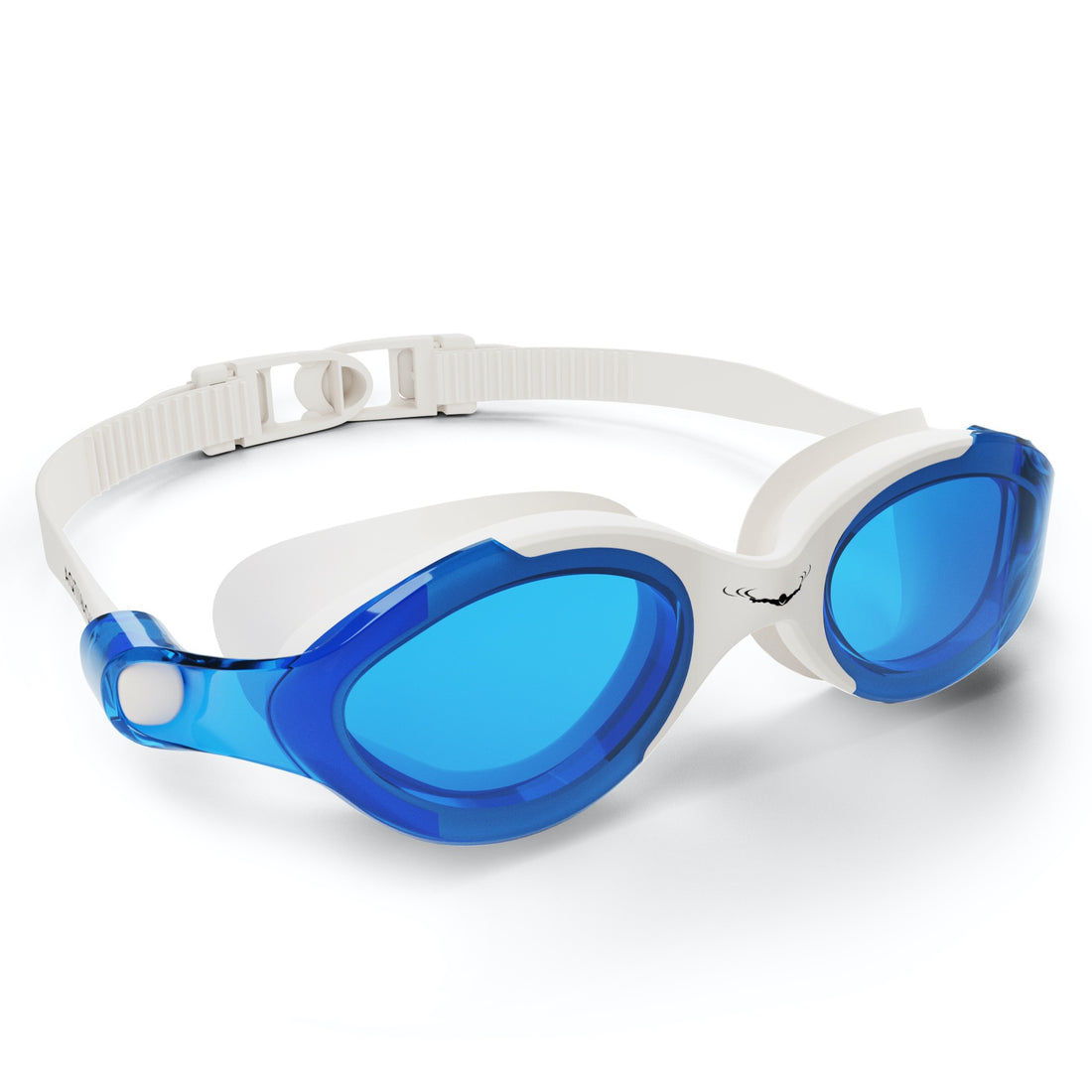
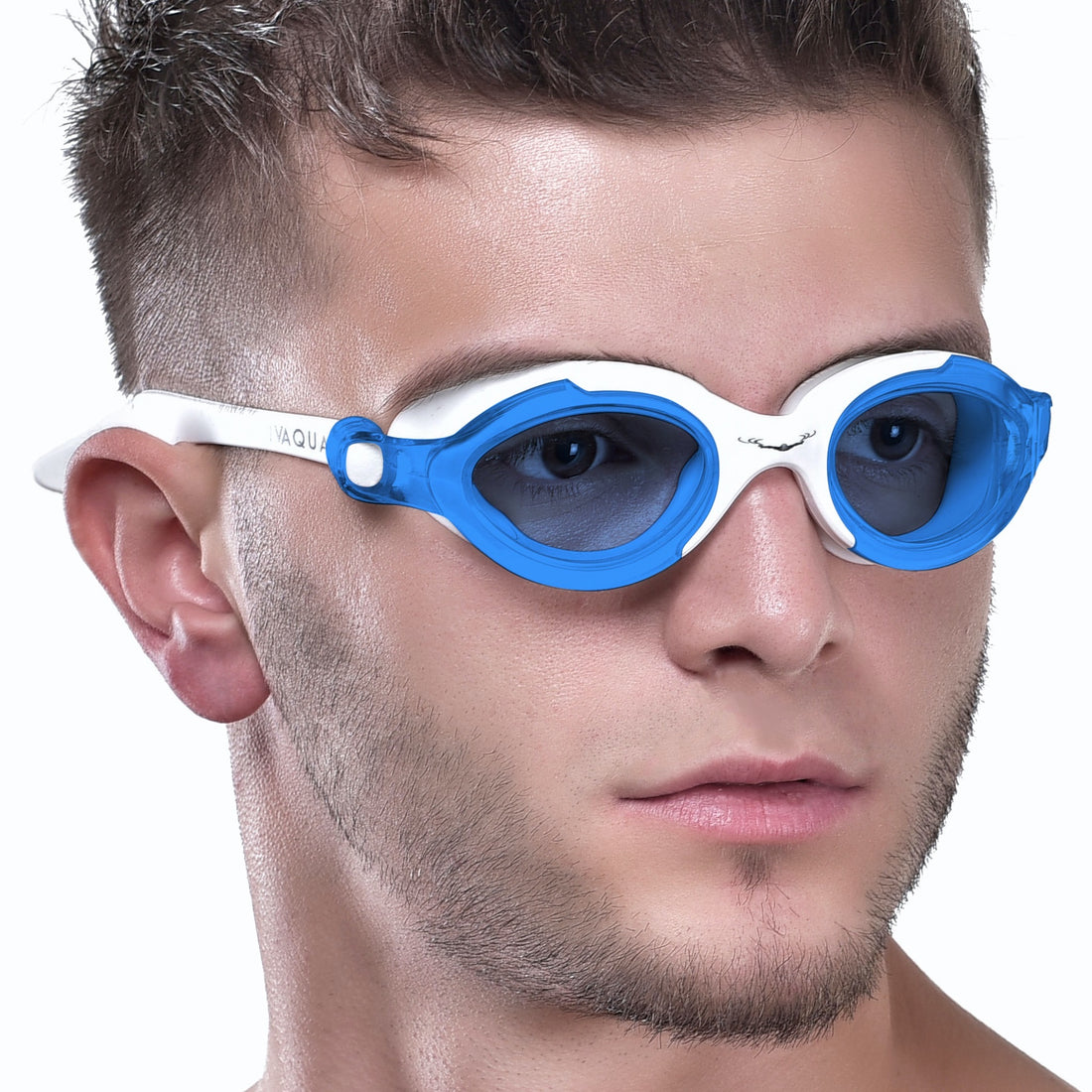
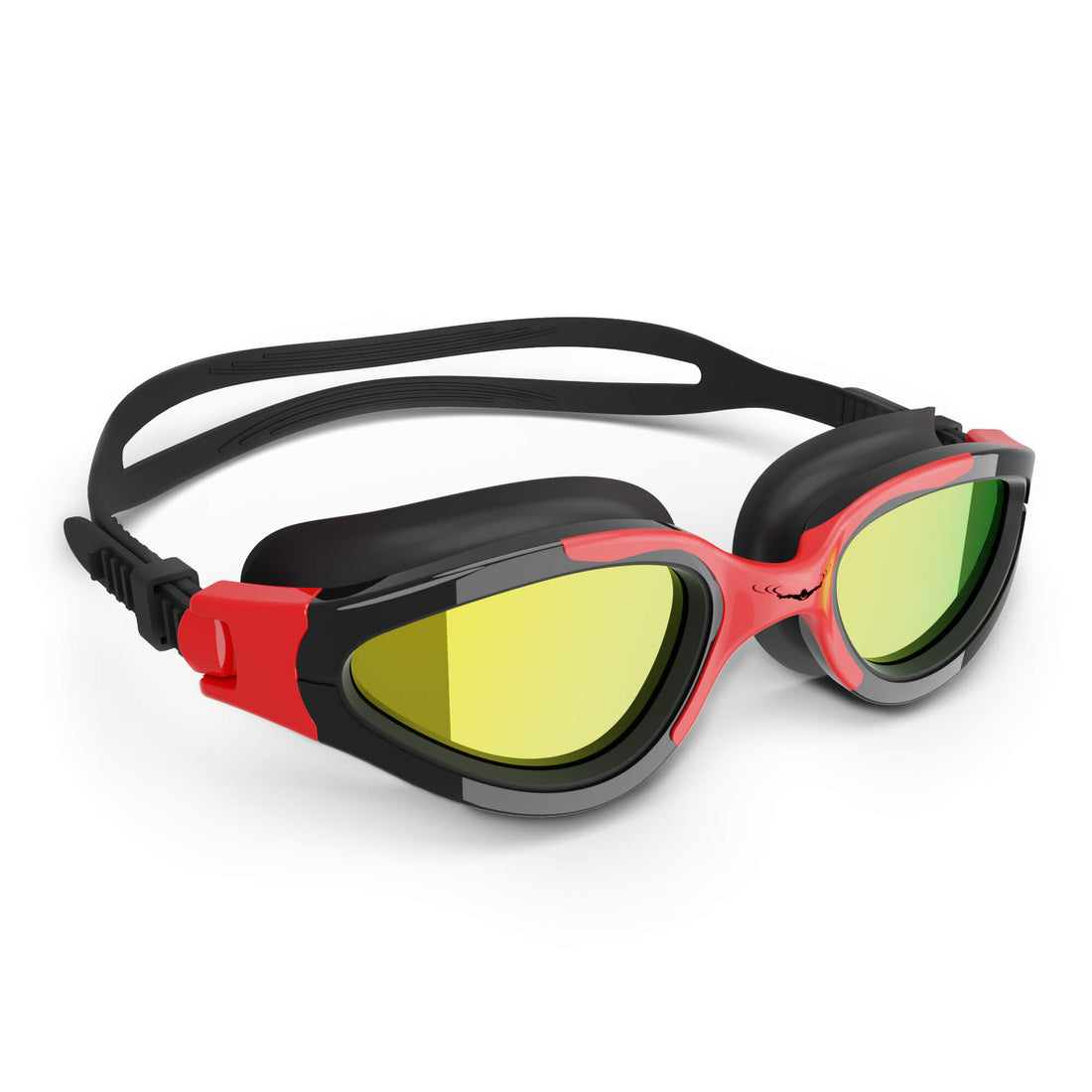
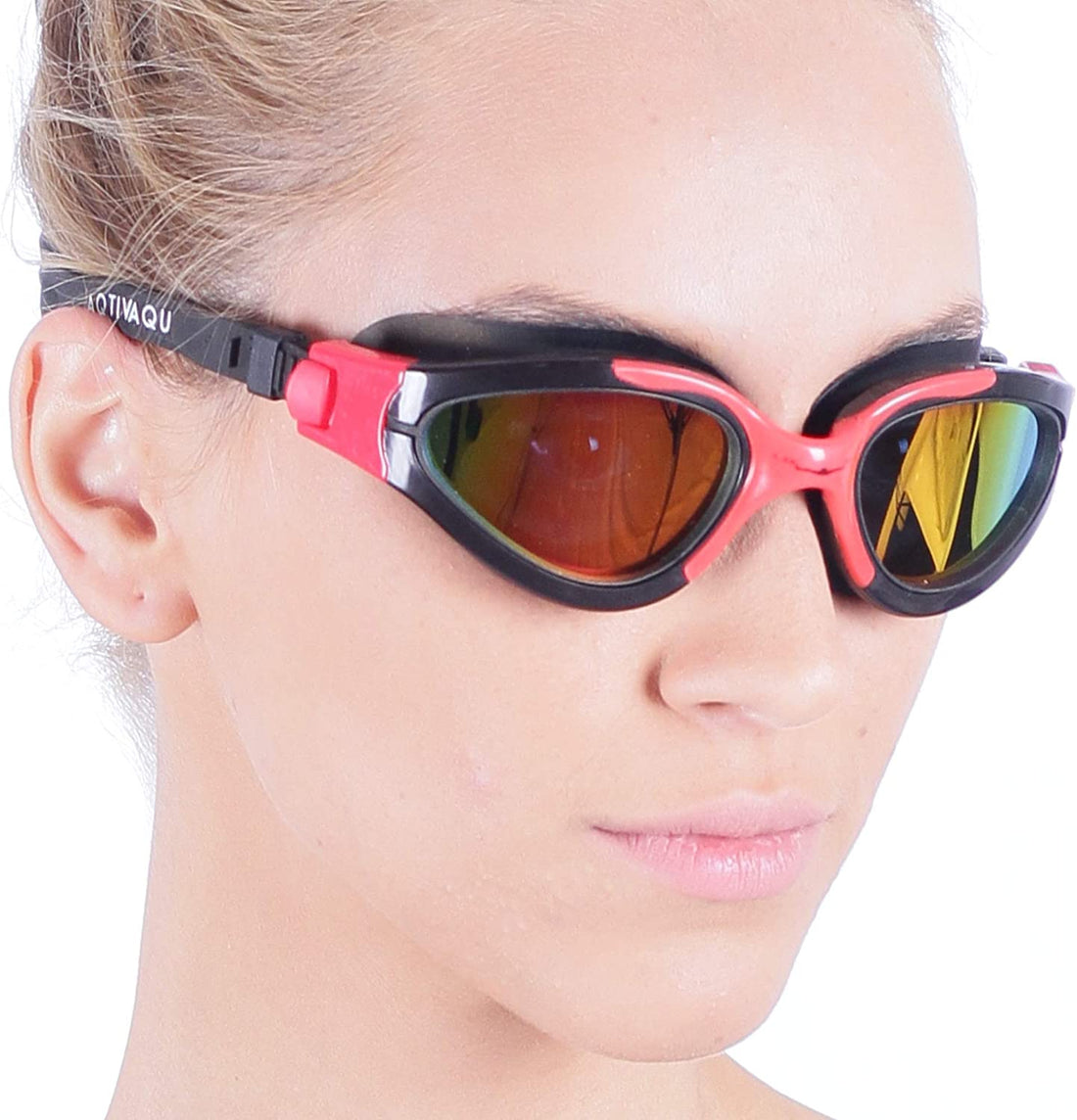
- Anti-Fog Swim Goggles: Essential for maintaining clear vision underwater, allowing you to focus on your technique without distractions.
- Kickboards and Pull Buoys: Useful tools for focusing on different muscle groups and improving stroke efficiency.
Addressing Common Concerns About Swimming
While swimming offers a plethora of benefits, athletes may have concerns or misconceptions about diving into this form of cross-training.
Will Swimming Make Me Slow?
Some athletes worry that spending time in the pool may hinder their speed in their primary sport. On the contrary, swimming can enhance your overall speed by building strength and endurance without the high impact associated with other training methods. Emphasizing speed work in the pool can also translate to faster running or cycling paces.
Do I Need to be a Good Swimmer?
Although swimming proficiency can enhance your sessions, you don’t have to be an expert swimmer to benefit from this cross-training method. Focus on basic strokes and gradually work on improving your technique. As you become more comfortable in the water, you’ll naturally develop your skills.
Finding Swimming Workouts That Fit Your Needs
Looking for effective swimming workouts to incorporate into your routine? Here are several types of swim sets you can try:
Endurance Swim Sets
These workouts focus on maintaining a steady pace over a longer distance. Aim to swim continuously for 20-30 minutes without rest, using different strokes to engage various muscle groups.
Interval Training
High-intensity interval training (HIIT) can also be adapted to swimming. Alternate between sprinting for 50 meters and recovering at a slow pace for a set amount of time. This will build explosive power and improve your cardiovascular fitness efficiently.
Drill Workouts
Incorporate swim drills that target specific skills, such as kicking, pulling, or breathing techniques. This not only improves your swimming efficiency but translates to enhanced performance in your primary sport.
Swimming: The Ultimate Recovery Tool
One of swimming's most valuable roles in cross-training is its effectiveness as a recovery tool. Following intense training sessions or competitions, a gentle swim can aid in recovery by:
- Increasing blood circulation to muscles, promoting nutrient delivery and waste removal.
- Reducing muscle soreness and stiffness through gentle movement.
- Providing mental relaxation and a break from high-impact training sessions.
Making Swimming Part of Your Lifestyle
To truly reap the benefits of swimming, integrating it into your lifestyle is essential. A positive approach to swimming can turn a chore into an enjoyable and rewarding activity. Here are a few tips:
- Find a local pool that fits your schedule and ambiance.
- Join a swim club or class to meet others and stay motivated.
- Incorporate swimming into your social life by swimming with friends or family.
As you embark on your swimming journey, make the most of your workouts by investing in key swim gear like anti-fog swim goggles and swimming caps. The additional comfort and enhanced focus will surely aid your overall performance.
Leap into Your Best Athletic Self!
Swimming provides a unique approach to cross-training that is not only beneficial but enjoyable. By understanding how swimming enhances your overall performance, focusing on technique and incorporating swimming into your regular training, you will find yourself improving in your primary sport significantly. Start reaping the numerous benefits of swimming today, and discover how this magical sport adds depth and durability to your athletic prowess. Dive in, and let the water redefine your training journey!
Frequently Asked Questions
1. What are the benefits of swimming as a form of cross-training?
2. How often should I include swimming in my training regimen?
3. Do I need to be a proficient swimmer to benefit from swimming in my training?
4. Can swimming help with recovery after intense workouts?
5. What kind of swimming workouts can I try to enhance my athletic performance?
Glossary
| Term | Meaning |
|---|---|
| Cross-Training | Training in multiple sports to improve overall performance. |
| Low-Impact Exercise | Activity that minimizes stress on joints while providing a workout. |
| Aerobic Exercise | Exercise that increases heart rate and improves cardiovascular endurance. |
| Core Stability | The ability to maintain balance and posture through core muscle strength. |
| Technique | Proper form and method used in swimming to enhance efficiency. |
| Interval Training | A workout method alternating high-intensity bursts with rest periods. |
| Drill Workouts | Practice sessions focusing on specific swimming skills or techniques. |
| Swimming Gear | Equipment such as goggles and caps used to enhance swimming performance. |
| Recovery Tool | Activity that aids in muscle recovery post intense training or competition. |
| Buoyancy | The ability of water to support the body, reducing strain during exercise. |
Linked Product

DX Wide View Swim Goggles + SHOCK Protective Case
The DX Wide View Swim Goggles feature clear 180° polycarbonate lenses that provide true-color visibility, making them ideal for indoor and low-light swimming environments. With advanced anti-fog technology and a secure, comfortable fit, these goggles are designed for distraction-free performance during rigorous workouts. The included SHOCK protective case ensures safe storage and quick drying, enhancing the longevity of your swimming gear.
View Product