

Overview
Create a personalized swim training plan by setting clear goals, determining training frequency, incorporating varied workouts (endurance, speed, technique), and allowing for recovery. Use the right gear, track your progress, and stay motivated through community support. Consistency and adaptation are key to enhancing your swimming skills and overall performance.
Frequently Asked Questions
1. What are the key components of an effective swim training plan?
2. How can I set goals for my swim training plan?
3. What is the recommended training frequency for swimmers of different levels?
4. What types of workouts should I include in my swim training plan?
5. Why is recovery important in a swim training plan?
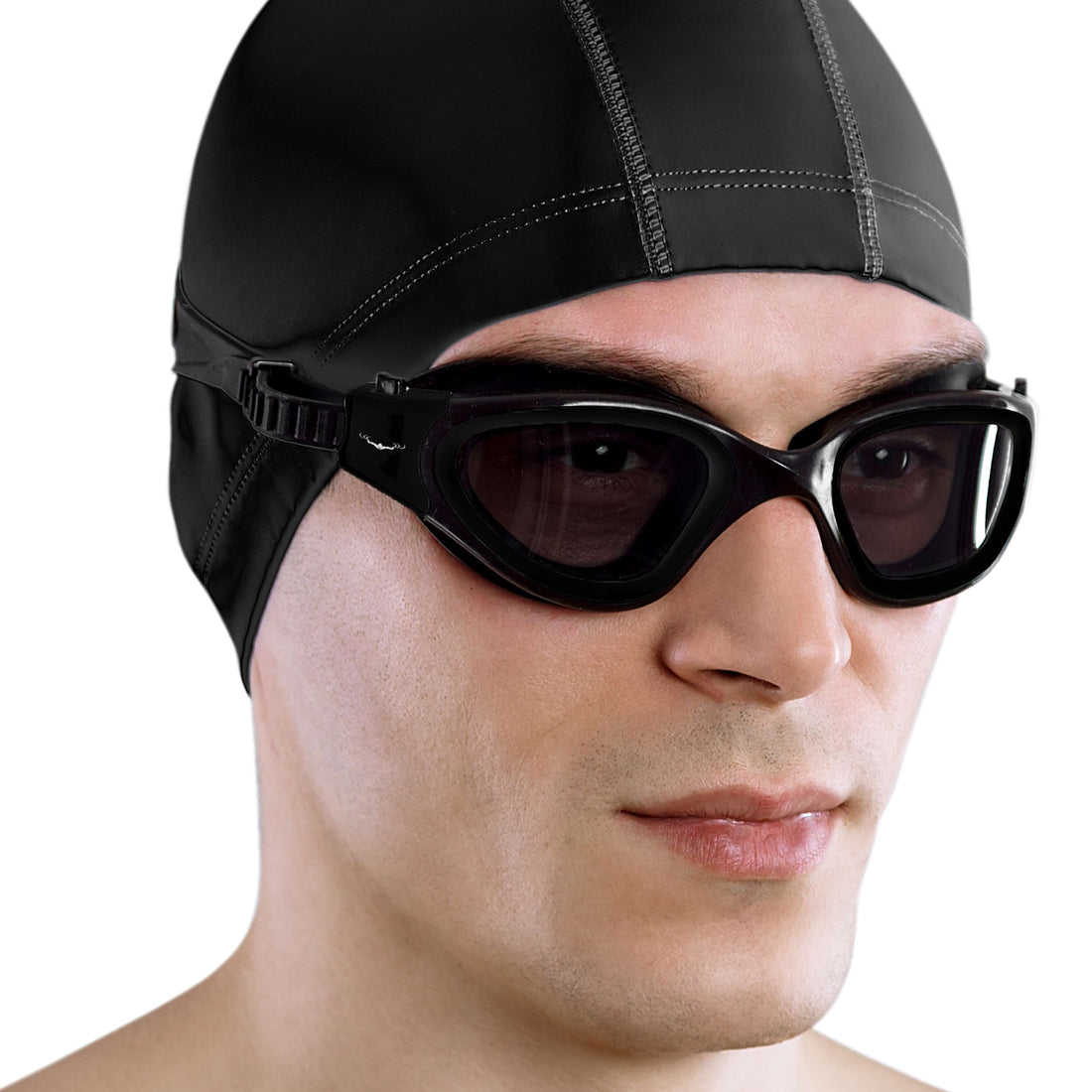
Swimming is not just a sport; it’s a lifestyle. Whether you’re a competitive swimmer aiming to break records or a casual swimmer looking to improve stamina and technique, having an effective swim training plan is crucial to your success. This article will guide you through creating a personalized swim training plan that meets your needs, improves your skills, and enhances your overall performance. From choosing the right gear, such as wide view swim goggles and swimming caps, to structuring your workouts, let's dive in!
Understanding the Basics of a Swim Training Plan
Before diving into the specifics of developing a swim training plan, it's essential to understand the basic components that make an effective plan. A well-structured training plan will incorporate:
- Goal Setting
- Frequency and Duration of Training
- Varied Workouts
- Rest and Recovery
Set Your Goals
Every successful swim training plan starts with clear, measurable goals. By identifying what you hope to achieve, it becomes easier to plan your sessions accordingly. Consider the following types of goals:
Short-Term Goals
Short-term goals can be achieved within a few weeks or months. Examples include:
- Improving lap times
- Incorporating a new stroke
- Increasing endurance for longer swims
Long-Term Goals
Long-term goals generally span several months to years and often involve bigger milestones, such as:
- Competing in a swim meet
- Completing a marathon swim
- Improving overall swim technique
Write your goals down and create a vision board or keep them in a visible spot. This will keep you motivated and focused on your path to improvement.
Determine Your Training Frequency
Next, decide how often you can realistically train. While consistency is key in swimming, your training frequency may depend on your swim level and schedule. A beginner may train 2-3 times per week, while advanced swimmers can aim for 5-6 sessions each week. As you progress, assess your capacity and adjust your training frequency accordingly.
Creating a Balanced Training Schedule
An effective swim training plan must include a mix of different workout types to optimize your performance. Depending on your goals, your training plan could include:
Endurance Swimming
Endurance swims help build your aerobic capacity. For example, swim longer distances at a steady pace, focusing on maintaining your form. Incorporate at least one endurance-focused session each week.
Speed Work
Speed workouts enhance your sprinting capabilities. These sessions include shorter, faster swims, usually with rest intervals in between. Consider incorporating interval training, where you swim at maximum effort for short distances followed by recovery periods.
Technique Drills
Improving your technique is fundamental to becoming a better swimmer. Dedicate a session each week to practice technique drills focused on strokes, starts, and turns. For example, while training, wear comfortable swimming caps to reduce drag and help maintain focus on your swimming form.
Incorporate Cross-Training Activities
Cross-training can significantly enhance your swim performance while preventing burnout and injuries. Consider adding other forms of cardiovascular workouts such as:
- Running
- Cycling
- Rowing
- Yoga or Pilates for flexibility and core strength
These activities will aid your body in being more versatile and help strengthen muscle groups that are important for swimming.
Plan for Recovery
While training is crucial, rest and recovery are equally important. Plan for at least one rest day per week to give your muscles time to recover. Incorporate stretching and recovery workouts into your routine to improve flexibility and reduce muscle soreness.
Listen to Your Body
Pay attention to your body’s signals—if you feel fatigued or notice any pain, adjust your training plan accordingly. Overtraining can lead to injury, which is something we want to avoid at all costs!
Track Your Progress
Staying aware of your performance is key to understanding what works and what doesn't. Utilize tools to monitor your progress, such as:
- Swimming logs
- Apps that track workouts and lap times
- Wearable technology to measure your performance metrics
Keeping a journal or using fitness apps to log your workouts will provide insight over time and help you stay accountable to your swim training plan.
Stay Motivated on Your Swim Journey
Motivation is essential to stick to any training plan. Here are some strategies to keep that motivation high:
- Join a swimming club or find a workout buddy.
- Participate in local swim competitions.
- Celebrate small victories and milestones.
Swimmer communities can provide camaraderie and encouragement to keep you engaged in your training.
Consider Gear Essentials
Your training plan can be improved by the right equipment. Invest in quality gear that enhances your comfort and performance:
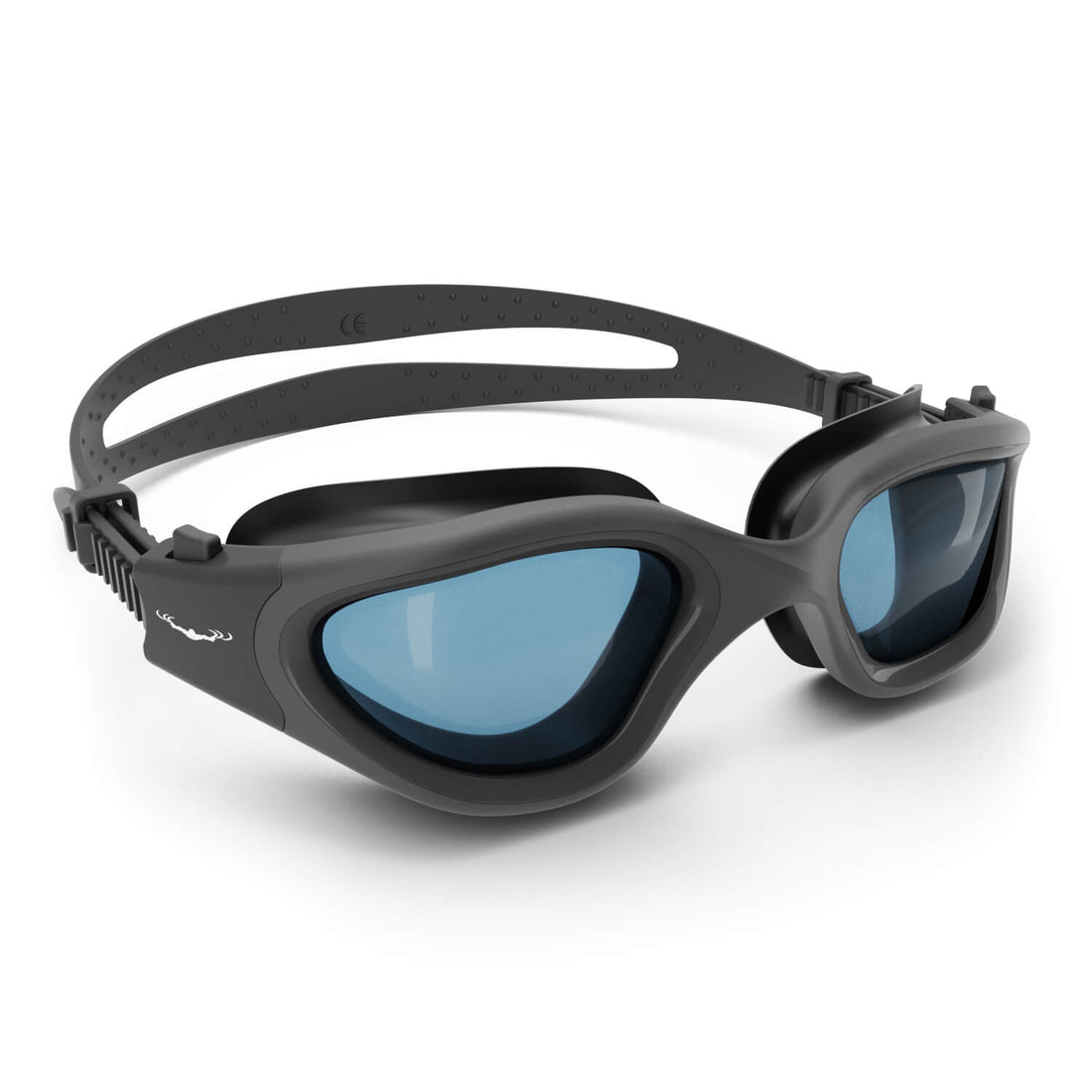
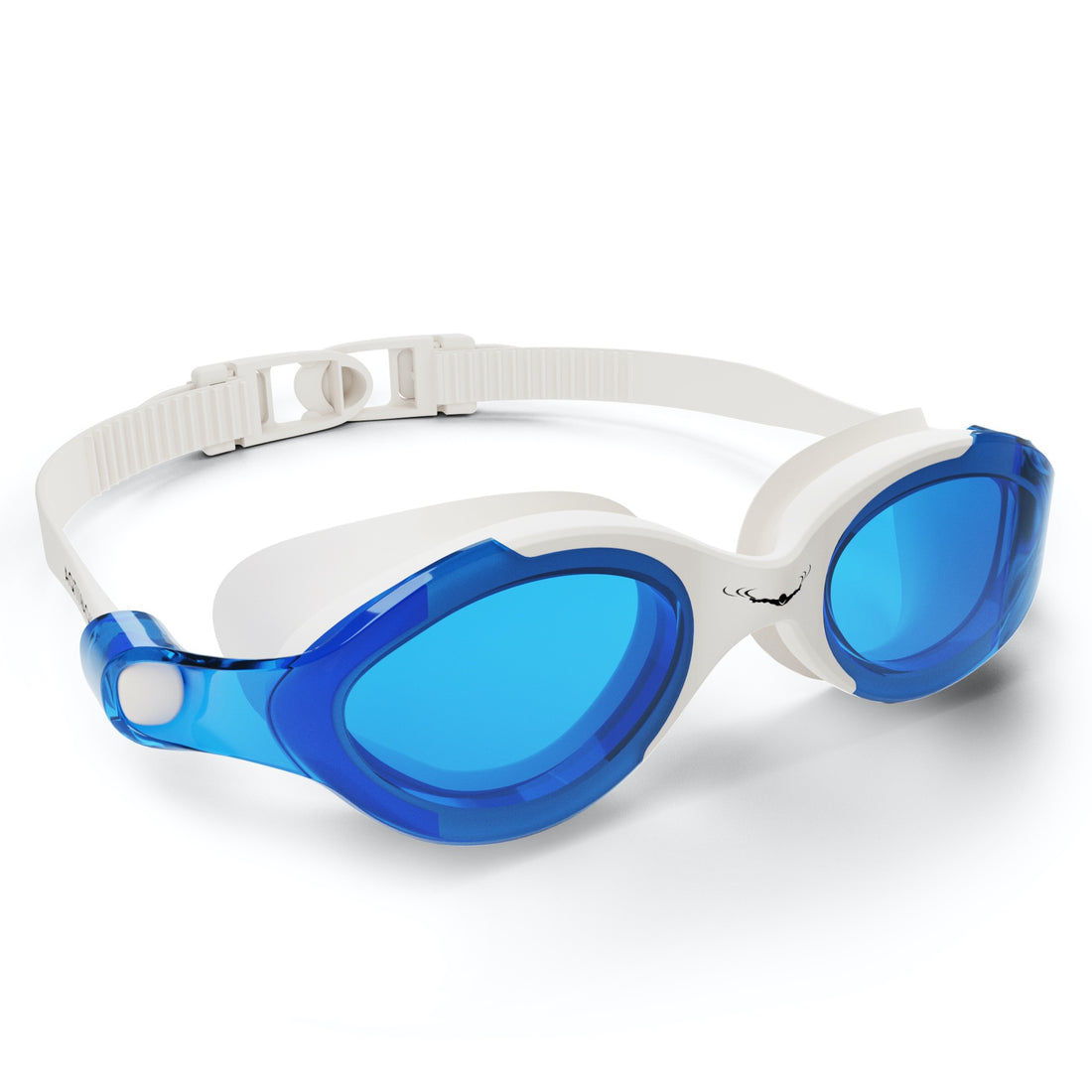
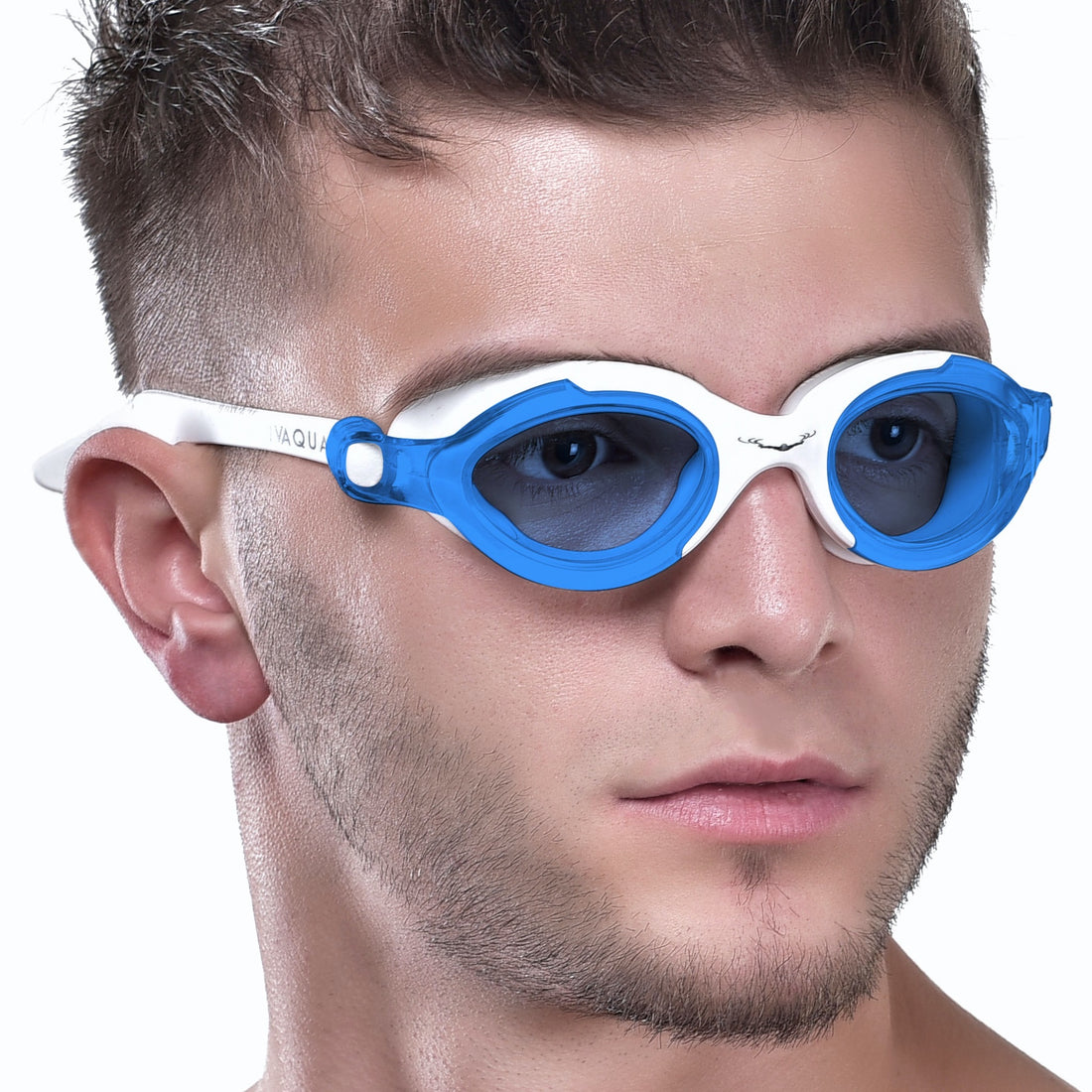
Wide View Swim Goggles
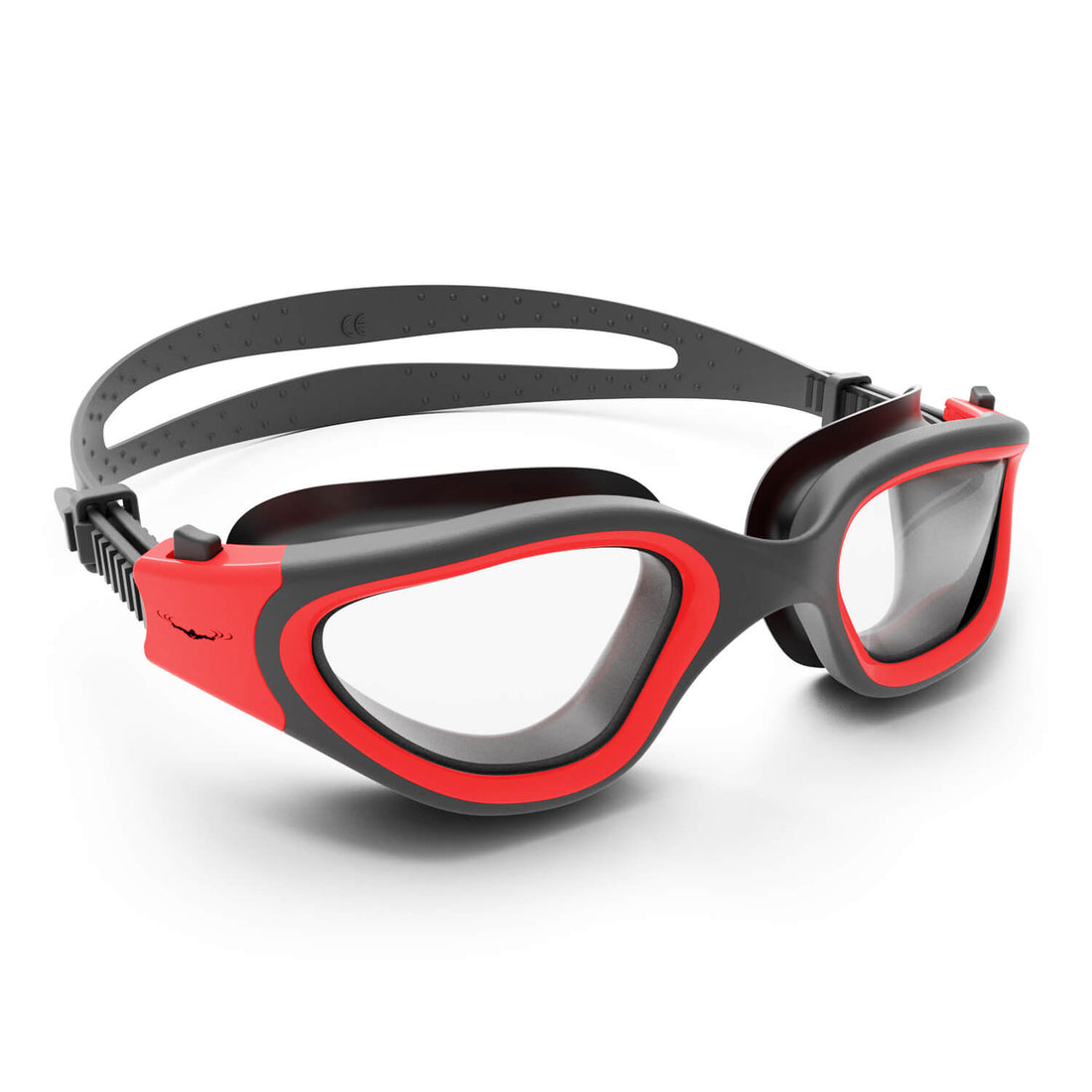
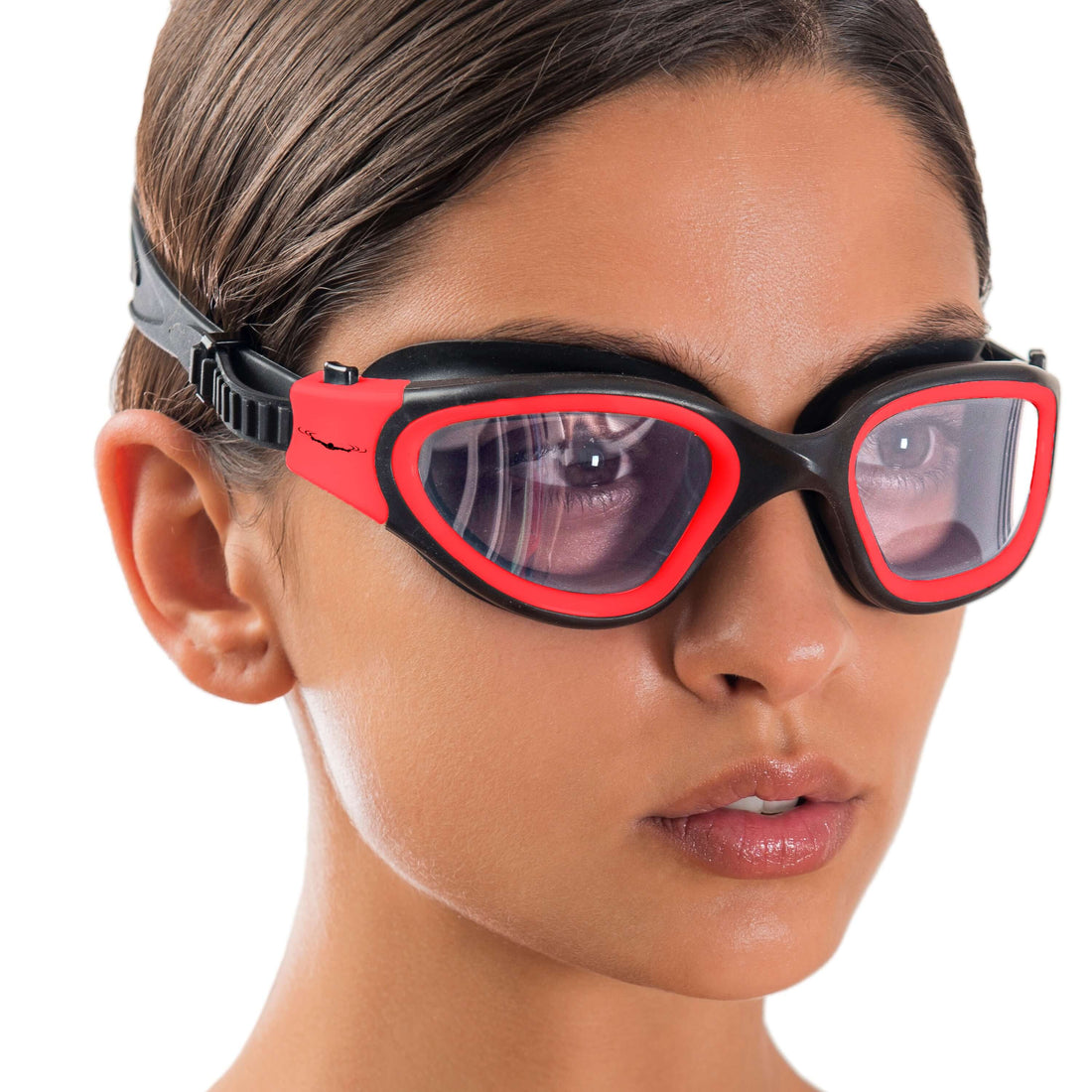
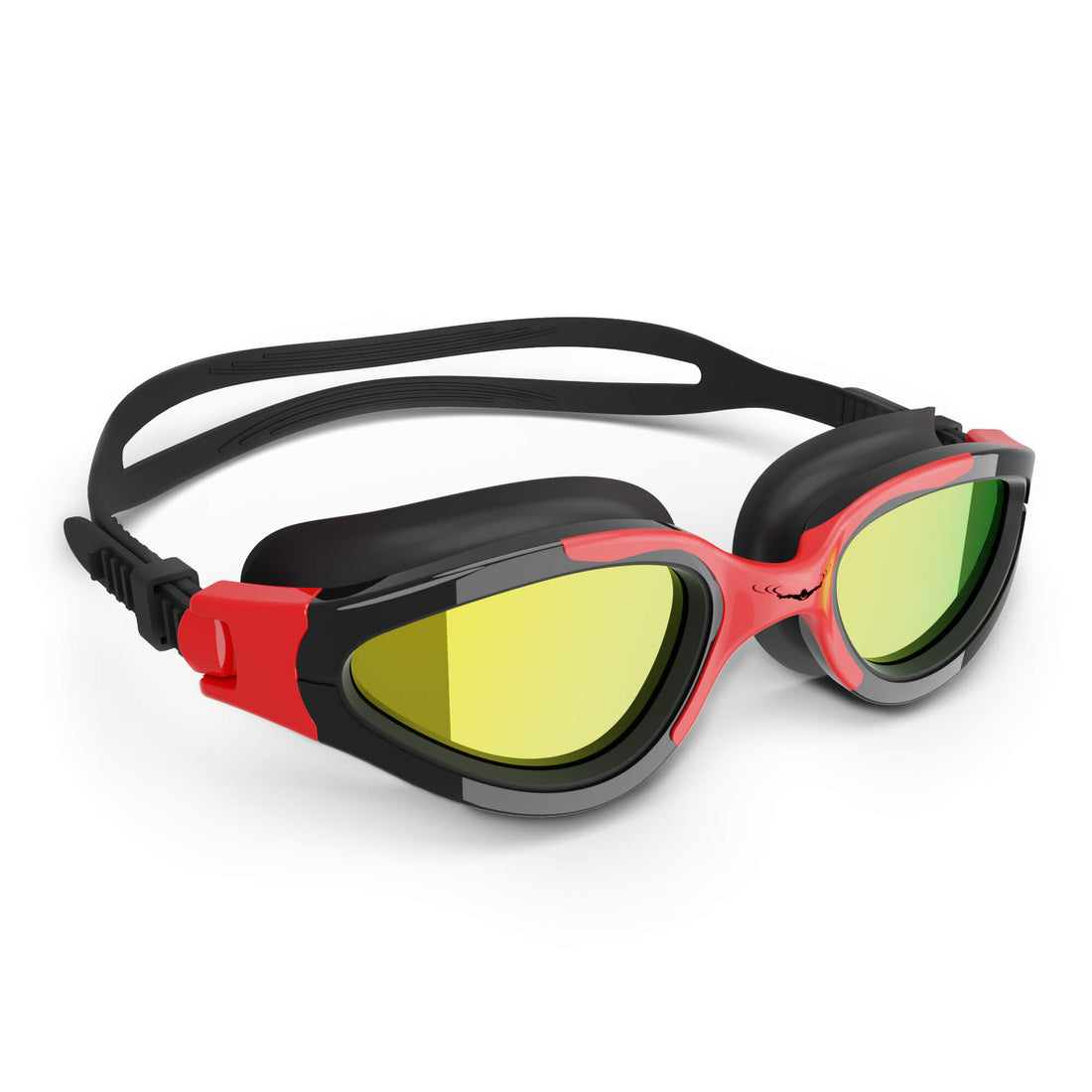
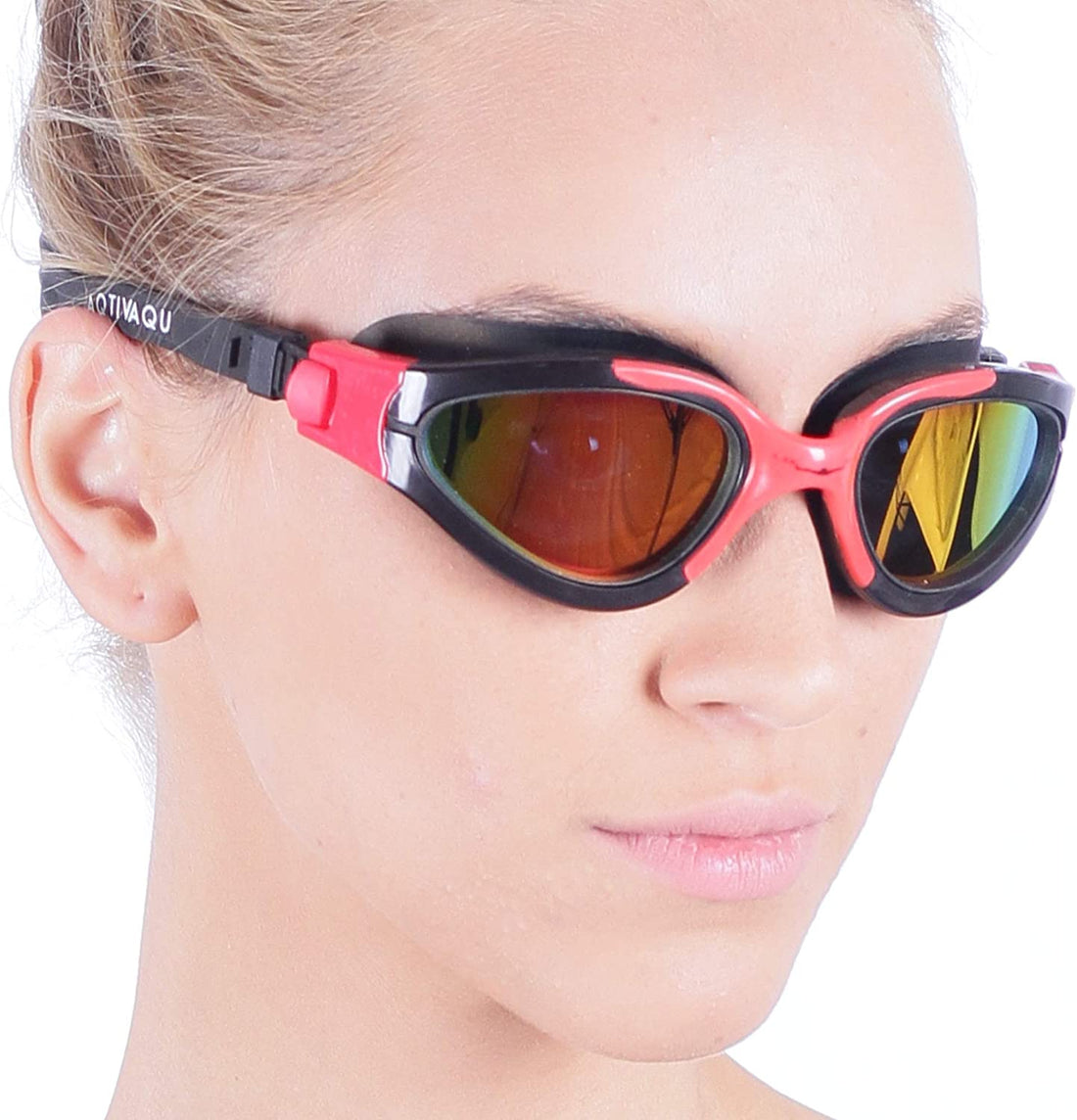
Nothing reduces swimming performance like discomfort from ill-fitting goggles. Choose wide view swim goggles that offer a clear peripheral vision, ensuring you can maintain focus and technique without distractions.
Swimming Caps
Swimming caps are not just for competitive swimmers; they can significantly improve your training experience. A good cap reduces drag and helps keep your hair out of your face, allowing for uninterrupted swims focused on your goals.
Your Journey Awaits!
Creating a successful swim training plan requires careful planning, perseverance, and passion. By setting clear goals, determining your training frequency, and including varied workouts, you can craft a regimen that works for you. Remember, the key to progress is consistency and adaptation. Each swimmer’s journey is unique, so find what resonates with you and stick with it. Enjoy the process, celebrate your achievements, and dive into your swim training with confidence!
Linked Product

DX Wide View Swim Goggles + SHOCK Protective Case
The DX Wide View Swim Goggles feature 180° polycarbonate lenses that provide clear visibility in various lighting conditions, allowing swimmers to maintain focus on their technique. With advanced anti-fog technology and a comfortable, leak-free design, these goggles ensure a reliable fit during intense training sessions. Additionally, the included SHOCK protective case offers convenient storage and quick drying, making it easy to keep your gear in optimal condition.
View Product